The Witcher 3 FAQ#
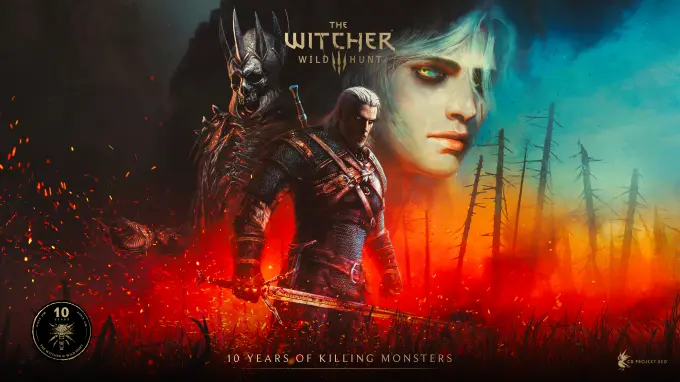
This page collects the most frequent questions from Witcher 3 players (including the 2026 remaster), organized in five sections: remaster topics, core gameplay, difficulty and starting out, buying and DLC, and content and navigation. The remaster rolled out free on all platforms on September 29, 2026, and answers here follow the remaster as the baseline; differences for original-version players are flagged separately.
Remaster Topics#
Is the remaster paid?#
The remaster is a free upgrade: players who already own the base game receive it on every platform after the September 29, 2026 rollout, with no extra purchase and no membership required. It is CD Projekt Red’s goodwill update for existing owners. Claiming it differs slightly per platform (on most, updating to the new build is enough); details on our free-upgrade rules page.
Are PC path tracing requirements steep?#
Path tracing is the remaster’s visual ceiling and is genuinely demanding: stable high-framerate play at high resolutions needs a high-end GPU, while mid-range rigs should compromise on quality presets. The standard remaster rendering without path tracing still improves clearly over the original, so underpowered setups need not worry. Benchmarks per tier and recommended settings on our PC path tracing page.
What changes in the remaster?#
Core changes sit in technology and experience: fully rebuilt lighting and materials, a reworked skill tree (more modern build feel), a new transmog system and photo mode, plus modernized UI and interactions. Story and quest structure are untouched — the original narrative was already a perfect score. A detailed change list and review roundup on our remaster overview page.
Core Gameplay#
Can I start with Witcher 3 without playing the earlier games?#
Almost no impact. The main story stands on its own, and the backstory arrives naturally through in-game materials and dialogue — no homework required. If Geralt’s past interests you, recap videos or our lore page help, but they are a bonus, not a requirement.
How do I get into the combat system?#
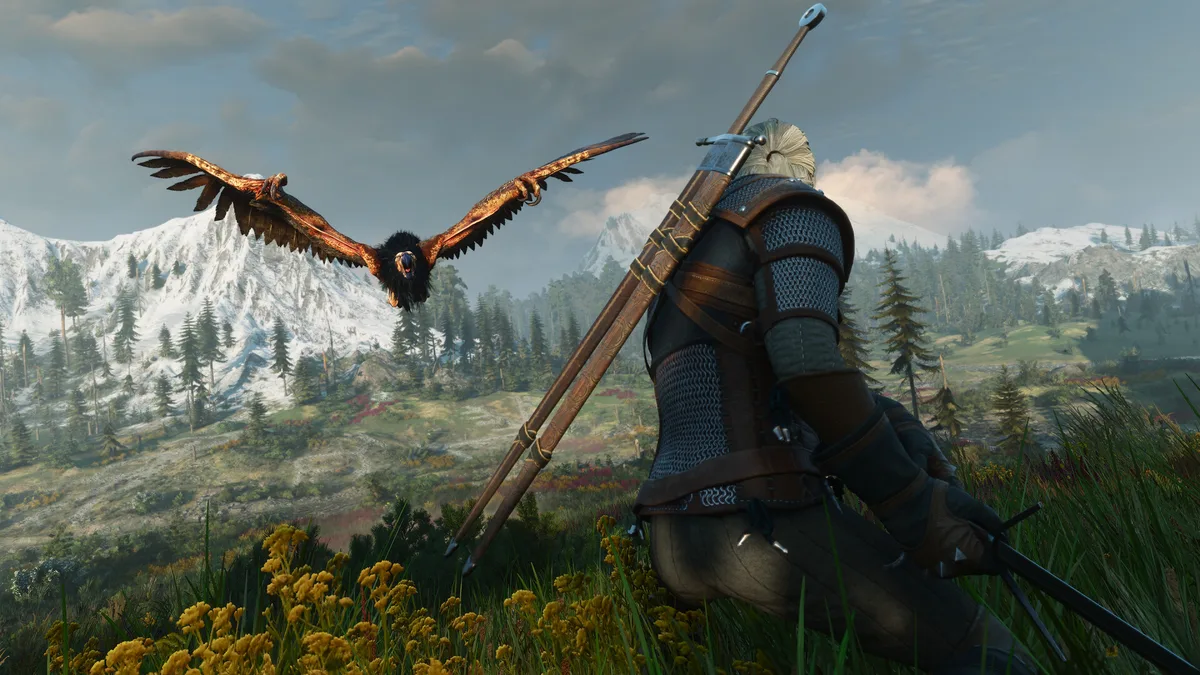
Combat revolves around the triad of “signs + swordplay + alchemy”: Aard to break guards, Igni to burn, Quen to survive, layered over dodge and roll timing. The classic beginner mistake is “swinging the sword only” — sign energy management is what raises your combat ceiling. After the skill tree rework, build combos are more flexible than the original; build ideas on our skills page.
Does alchemy matter?#
Very much so. Potions and decoctions are part of mid-to-late combat power, and sword oils (bonus damage against specific monster types) are standard kit for elite fights. Build the habit: read the contract’s monster type, apply the matching oil, bring the counter potion — that witcher workflow is itself core design. Recipe and material routes on our alchemy page.
Difficulty and Starting Out#
Which difficulty should I pick?#
Four difficulty tiers: story-focused players can take the lowest, veterans seeking a challenge the highest. Difficulty can be changed at any time — no restart needed if you pick wrong; try one and adjust by feel.
What should a beginner do first?#
In White Orchard, clear the side quests and question marks first to bank gear and XP before entering Velen — it gets much easier. Don’t rush the main story at the start; secure basic equipment and potion recipes first.
I’m broke early on — what now?#
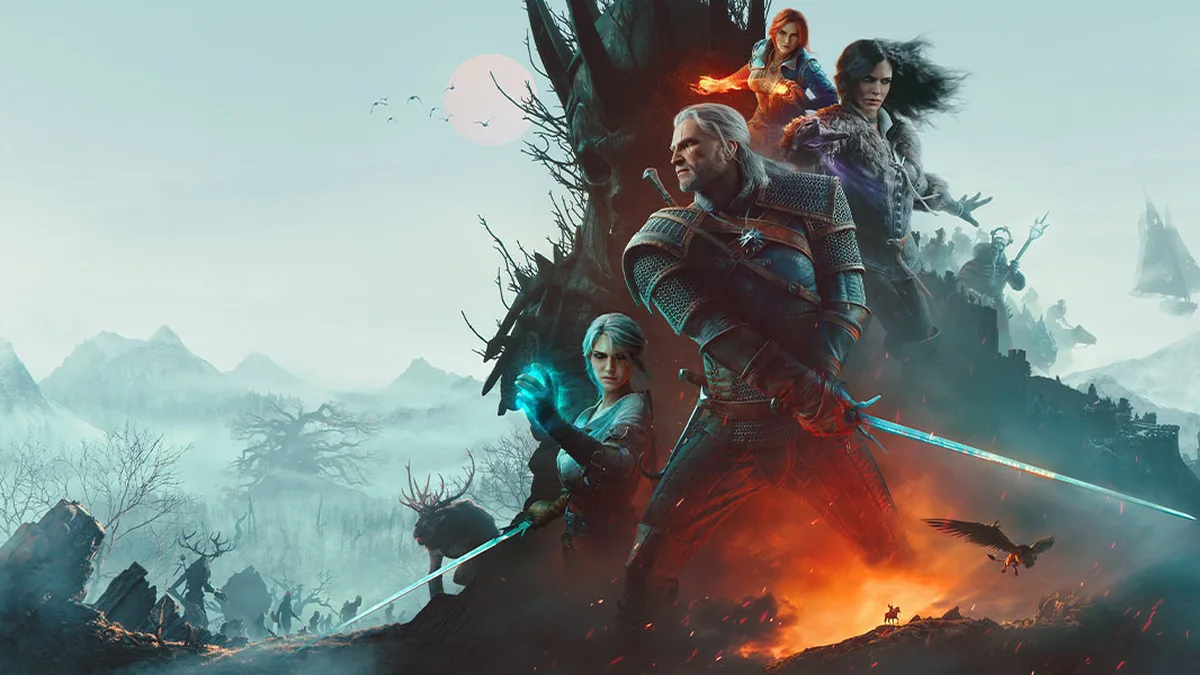
Sell junk and spare gear, take bounty contracts, and don’t rush to buy expensive gear — found equipment carries the early game. What deserves money early are potion recipes and diagrams.
What happens when I die?#
You reload a save; nothing is permanently lost. Lower difficulties place saves more generously, while higher ones demand more careful planning of fights and retreats.
Swordplay or signs — which is easier to start?#
Swordplay has a low entry bar and high fault tolerance; sign builds peak later. Beginners should start sword-first with Quen for survival, then consider converting once comfortable.
Buying and DLC#
Do I need to buy the two expansions separately?#
The Complete Edition already includes Hearts of Stone and Blood and Wine; buying the base game alone means purchasing the expansion pass separately. New players should simply buy the Complete Edition.
In what order should I play the expansions?#
Hearts of Stone first, then Blood and Wine. Blood and Wine’s level and difficulty demands are higher, fitting better last, and the story timeline also places it at the end.
How does the Complete Edition differ from the standard?#
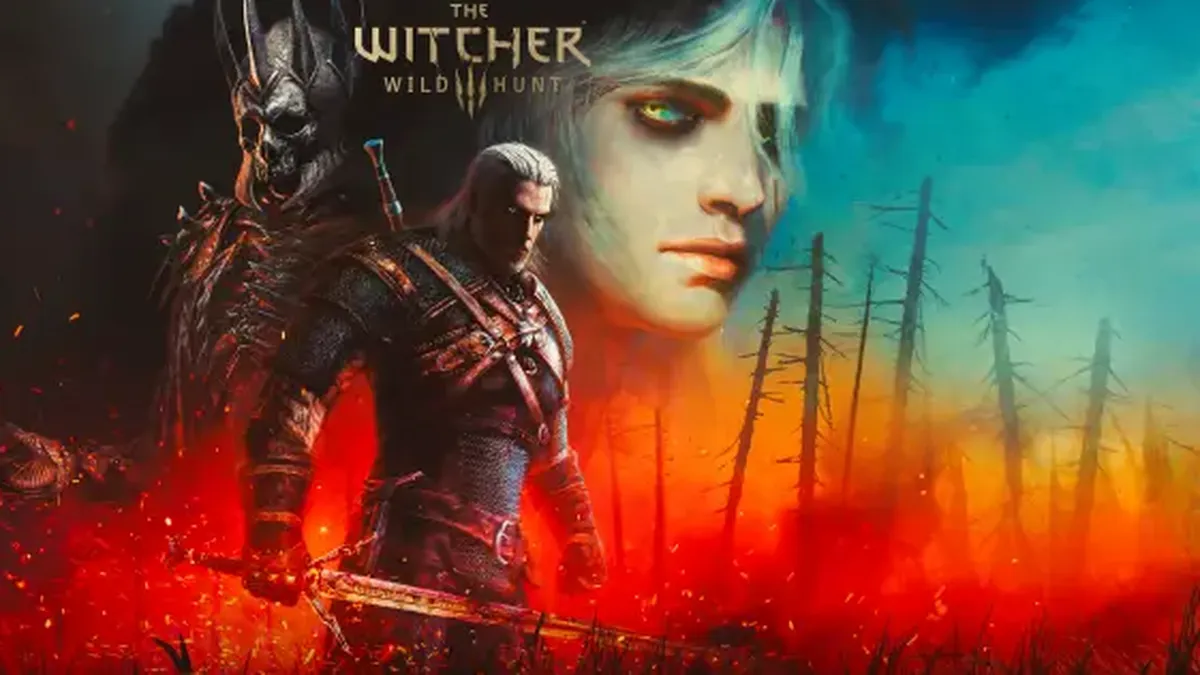
The Complete Edition bundles both expansions plus bonus gear — the most complete content at a usually better price. Original owners can also just add the expansion pass.
Digital or physical?#
Content is identical; physical copies add a map and extras, while digital is more convenient for buying and upgrading. Collectors pick physical, pragmatists pick digital.
Content and Navigation#
What’s worth playing beyond the main story?#
Both expansions are widely regarded as better than many full games — must-play tier. Side quest density and writing are the foundation of this game’s reputation; don’t sprint the main story. Gwent stands alone as a mini-game plenty of players return for. Entry points for each content block on our content page.
How does transmog work?#
Transmog is a remaster-era appearance system: keep your gear’s stats while swapping looks freely, solving the long-standing “endgame gear is ugly” problem. Paired with photo mode, Geralt’s fashion show is a new pleasure. Unlock conditions and operation details on our transmog page.
What other Witcher 3 sections does this site have?#
Our coverage spans free-upgrade rules, PC path tracing, the reworked skill tree, transmog and photo mode, media scores and series roadmap, with remaster and original content labeled separately. All sub-page entries are in the guide navigation above.