Story and Lore#
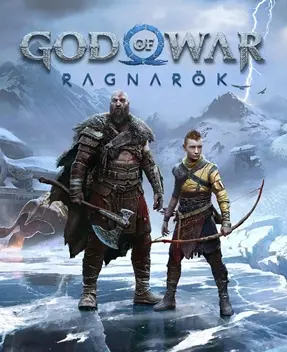
The Norse Mythology Adaptation#
God of War Ragnarök adapts Norse mythology from a unique perspective, making bold creative changes while preserving its core elements. The Ragnarök in the game is not only the prophesied doomsday battle — it is a story about changing fate and defying the established narrative.
Key adaptation differences:
- Fimbulwinter: The three consecutive winters that herald Ragnarök in myth serve directly as the game’s opening setup, connecting seamlessly with the previous game’s ending.
In the Greek trilogy, Kratos was the living embodiment of vengeful rage, destroying Olympus with his own hands. In the Norse saga, however, he completes a transformation from a god of anger into a loving father and a wise leader.
Kratos’ Character Arc#
Key character development milestones:
In the Greek trilogy, Kratos was the living embodiment of vengeful rage, destroying Olympus with his own hands. In the Norse saga, however, he completes a transformation from a god of anger into a loving father and a wise leader.
-
Becoming the savior: In the end, Kratos does not die as prophesied — he survives to rebuild the Nine Realms. He is no longer a pawn pushed around by fate, but someone who writes his own story. Key character development milestones:
-
The start of Fimbulwinter: Kratos tries to hide his divinity and live a quiet life. But he quickly realizes that running from his past will not protect Atreus.
-
Accepting fate: When Kratos learns he is fated to die at Ragnarök, he no longer rebels in fury as he did in the Greek era, but accepts it calmly, paving the way only to protect his son.
-
Becoming the savior: In the end, Kratos does not die as prophesied — he survives to rebuild the Nine Realms. He is no longer a pawn pushed around by fate, but someone who writes his own story.
Atreus’ changes: The truth of the Loki prophecy: The giants’ prophecy says Loki will trigger Ragnarök and kill Odin. But the game’s core theme is that “prophecies do not necessarily come true”. Atreus ultimately chooses his own path, neither fully becoming the Loki of myth nor wholly rejecting that identity.
Atreus and Loki#
Atreus learns at the end of the 2018 game that he is the “Loki” of the giants’ prophecy. In this game he embarks on a journey to find his own identity. He is neither a pure Norse god nor a giant, but a fusion of both powers.
Atreus’ changes:
- Growing independence: This game features chapters where you control Atreus alone, showing his shift from a boy under his father’s wing to an independent actor.
- Language ability: Atreus can understand all languages (including those of animals) — a gift of his giant bloodline and a key puzzle-solving ability in the game.
- Shapeshifting: Atreus can transform into animals (the bear in the opening cinematic), but in this game he cannot yet fully control this ability.
- Interaction with Odin: Odin tries to exploit Atreus’ longing for identity, one of the game’s finest psychological duels.
The truth of the Loki prophecy: The giants’ prophecy says Loki will trigger Ragnarök and kill Odin. But the game’s core theme is that “prophecies do not necessarily come true”. Atreus ultimately chooses his own path, neither fully becoming the Loki of myth nor wholly rejecting that identity.
History of the Nine Realms#
Key prophecy content:
- Loki (Atreus) will gather the armies of Ragnarök.
- Kratos will fall in battle at Ragnarök.
- Odin’s rule will come to an end.
- Surtr’s flames will consume Asgard.
The Giants’ Prophecy#
The giants possess the ability to see the future, and they left behind numerous murals and prophecies about Ragnarök in Jotunheim. This game reveals more about these prophecies: Below are the core relationships between the main characters:
- Atreus & Odin: Grandfather and grandson (Odin is Atreus’ grandfather through Loki’s bloodline). Odin tries to buy Atreus over with knowledge and recognition. Key prophecy content:
- Loki (Atreus) will gather the armies of Ragnarök.
- Kratos will fall in battle at Ragnarök.
- Odin’s rule will come to an end.
- Surtr’s flames will consume Asgard.
But the game’s core message is: a prophecy is only a description of a possible future, not an unchangeable destiny. Kratos and Atreus prove through their own actions that people can break free of prophecy’s chains. This theme already sprouted in the previous game (Baldur dying to a mistletoe arrow outside the prophecy), and in this game it is fully realized.
Character Relationship Map#
Below are the core relationships between the main characters:
- Kratos & Atreus: The father-son bond is the emotional heart of this game, evolving from protector and protected into equal partners fighting side by side.
- Kratos & Freya: From enemies to allies. Kratos killed her son, but the two eventually find a common goal.
- Atreus & Odin: Grandfather and grandson (Odin is Atreus’ grandfather through Loki’s bloodline). Odin tries to buy Atreus over with knowledge and recognition.
- Brok & Sindri: The dwarf brothers. Their relationship swings from estrangement to reconciliation across the series. Brok’s fate in this game is one of its most heartbreaking moments.
- Thor & Odin: A toxic father-son relationship. Odin controls Thor through manipulation and threats, leaving him a broken warrior.
- Thor & Thrud: Thor’s daughter. Thrud represents the values of a new generation — she admires Kratos rather than her own father.
Valhalla and the Afterlife#
Connection to the 2018 game: After Baldur’s death in the previous game, Freya broke down and cursed all of Midgard. In this game Freya lifts the curse and Midgard begins to recover — meaning regions sealed in the previous game can now be explored.
The game’s take on death: The God of War series has always been interested in death and rebirth. Kratos has died and returned many times. In this game, character deaths (most notably that of a certain dwarf character) carry deep emotional weight and serve as pivotal turning points that drive the other characters’ actions.
Character Relationship Table#
| Character | Identity | Allies | Enemies | Key relationships |
|---|---|---|---|---|
| Kratos | Spartan ghost | Atreus, Freya, Brok | Odin, Thor | Atreus’ father |
| Atreus | Loki | Kratos, Sindri | Odin (manipulating) | Kratos’ son |
| Freya | Vanir goddess | Kratos (after reconciliation) | Odin (ex-husband) | Baldur’s mother |
| Odin | All-Father | Thor, Heimdall | Everyone | Atreus’ grandfather |
| Thor | God of Thunder | Odin (controlled) | Kratos | Odin’s son |
| Brok | Dwarven smith | Kratos, Sindri | — | Sindri’s brother |
| Sindri | Dwarven smith | Kratos, Brok | — | Brok’s brother |
| Heimdall | Watchman | Odin | Kratos | Odin’s lapdog |
Realm Exploration Priority#
| Realm | Main story visit | Post-game exploration | Collectibles | Priority |
|---|---|---|---|---|
| Midgard | ✓ First visit | ✓ | Moderate | ★★★★★ |
| Alfheim | ✓ | ✓ | Moderate | ★★★★☆ |
| Svartalfheim | ✓ | ✓ | Moderate | ★★★★☆ |
| Vanaheim | ✓ | ✓ | Most | ★★★★★ |
| Muspelheim | ✓ | ✓ | Fewer | ★★★☆☆ |
| Niflheim | ✓ | ✓ | Fewest | ★★☆☆☆ |
A Deeper Look at the Norse Mythology Background#
The Nine Realms on Yggdrasil#
In Norse mythology, the World Tree connects nine worlds: above the crown lie the realms of gods and elves, while beneath the roots are the domains of giants and the dead. The game largely keeps this setup and arranges it to suit the story: Asgard is the seat of Odin and the Aesir, Vanaheim is the home of the Vanir, Midgard is the central world where humans live, and the remaining realms lie among the branches and roots. The nine realms do not exist in parallel; they interconnect through the Bifrost and the World Tree’s veins, and the game’s realm-travel system is a concrete rendering of exactly this mythological structure.
The Creation Myth and the Origin of the Gods#
In myth, only the endless meeting of ice and fire existed at first, and the world was born from the void. Odin and his brothers slew the primordial giant Ymir and fashioned the world from his flesh and blood, and thus the gods took the stage. The game never retells this creation, but many scenes and lines echo it: the flaming cliffs of Muspelheim symbolize the primordial fire of creation, while the giants’ murals record the gods’ brutal war against the giants, foreshadowing Atreus’ identity crisis.
Fimbulwinter#
In myth, Fimbulwinter consists of three consecutive winters without a summer and heralds the coming of Ragnarök. The game uses Fimbulwinter as its opening backdrop, echoing Freya’s curse at the end of the 2018 game. Three years of harsh winter wither Midgard’s life and force Kratos to confront the Ragnarök prophecy once more. This setup stays faithful to the myth while adding urgent time pressure, making the attitudes of “hiding” and “confronting” collide fiercely from the very start.
The Ragnarök Prophecy and the Theme of “Fate”#
In myth, Ragnarök is a doomsday foreordained: the fire giant Surtr will burn Asgard, Odin will be devoured by the great wolf, and gods and giants will perish together. The game keeps these core images but gives them a brand-new theme — prophecies can be broken. Kratos and Atreus prove through their actions that so-called destiny is merely a description of one possible future, and that people always retain the power to choose. This theme runs through the entire Norse saga and is the key to understanding the whole story.
Major Mythological Figures and the Game’s Adaptation#
| Character | Mythological archetype | Key adaptation in the game |
|---|---|---|
| Odin | Father of wisdom and war, who sacrificed an eye for knowledge | Portrayed as a control-obsessed tyrant who manipulates in the name of “protection” |
| Thor | God of thunder, the war god who guards Midgard | Reduced to Odin’s puppet — broken and tragic |
| Loki | God of mischief, the catalyst of Ragnarök | Merged with Atreus into a single character — the game’s boldest adaptation |
| Freya | Goddess of love and war, leader of the Vanir | From a vengeful mother to a reborn ally |
| Heimdall | Guardian of the Bifrost | Recast as Odin’s most loyal hound |
| Brok and Sindri | Master dwarven smiths | Forge Kratos’ weapons and carry the story’s emotional core |
A Deeper Look at Odin#
Odin is the game’s most fascinating villain. On the surface he is open-minded and erudite, dangling knowledge and recognition before Atreus, yet in truth he is terrified of the Ragnarök prophecy. To escape fate he will sacrifice anything, including his own son Thor. He mirrors Kratos: both are trying to break free of prophecy, but while Kratos ultimately chooses trust and letting go, Odin chooses total control. Odin’s downfall at the end is the inevitable result of these two choices diverging.
Thor’s Tragedy#
Thor is portrayed as Odin’s tool: the greater his strength, the less his freedom. He hates Odin yet cannot defy him, venting his rage only in battle. Thor’s relationship with his daughter Thrud is the key to understanding him — Thrud admires Kratos rather than her own father, because she sees in Kratos the freedom to be himself that Thor craves but never had. Thor’s exit therefore carries a double meaning: it is both fate fulfilled and a release from a lifetime of manipulation.
Freya and the Vanir#
Freya is the leader of the Vanir. Her marriage to Odin was meant to end the war between the two tribes, yet she was oppressed in Asgard and even lost the power to choose her own destiny. In the previous game she took mad revenge for Baldur’s death; in this one she completes an arc from hatred to reconciliation. Freya is another example of “the controlled breaking free of control”, set against Thor: she escapes her chains, while he remains trapped in them for life.
Atreus’ Identity#
Atreus carries three identities at once: Kratos’ son, the spark of the Loki prophecy, and the last heir of the giants. The game devotes great space to the piecing together and choosing of identity — he understands the language of animals (giant blood) and inherited his father’s war-god body (divine blood). When Odin tries to define him with “you are Loki”, Atreus’ struggle and final choice form the most emotionally charged thread of the plot. He neither fully accepts the myth’s infamous name nor denies himself entirely, but chooses a third path.
The Giants and the Prophecy Murals#
The giants can foresee the future, and their murals in Jotunheim record a complete depiction of Ragnarök. At the end of the previous game, Kratos saw his own falling figure on a mural — this “death prophecy” became the lingering shadow of this game. Notably, the mural depicts only one possibility, and reality may deviate from it with every step of choice. The giants’ own ending also shows that having the power to foresee is not the power to change; what truly changes fate is action.
The Dwarves and Forging#
Brok and Sindri are key supporting characters spanning both games, and their smithy is the player’s supply hub. In myth, dwarves forged countless divine artifacts; in the game, the brothers do more than provide equipment — they carry the theme of “family”. Brok’s death is one of the most heartbreaking moments of the entire game and directly drives Sindri’s choices at the ending, giving a functional character a complete arc. The brothers’ quarrels over the craft of forging also, in a sense, mirror the ethical relationship between “creation” and “the creator”.
The Elves and Vanaheim#
Vanaheim is depicted as a lush jungle land scarred by constant war, with the conflict between Dark Elves and Light Elves running through it. In myth, elves are personifications of natural forces; in the game, the elven war becomes a microcosm of the gods’ long manipulation of the world — gods pit weak factions against each other to bleed them, profiting from the sidelines. This gives Vanaheim’s side quests an obvious political allegory.
Helheim and the Afterlife#
Helheim is the land of the dead, while Valhalla is the resting place of warriors fallen in battle. The game’s depiction of death carries a distinctly Norse color: death is not an end, but another form of continuation. Atreus once faced the dead in Helheim, and Kratos relives his own past there. This chapter is both a major story level and a concentrated expression of the “death and rebirth” motif.
The Portrayal of Asgard#
Asgard is only fully presented in the game’s final act, and unlike the glorious home of the gods in myth, the game’s Asgard is more like a fortress sustained by fear and lies. Odin has layered deception everywhere here, with even his own family under surveillance. The final battle revolves around Asgard’s fall; Surtr’s flames devour everything, fulfilling the prophecy of myth while granting Kratos a rebirth of his own amid the ruins.
The Motif of Death and Rebirth#
The God of War series revisits death again and again: Kratos has died and returned many times, and in Norse myth Valhalla prepares an eternal feast for warriors fallen in battle. Death in the game is both a physical fact and a psychological metaphor — Kratos’ “old self” dies completely at Ragnarök, and a new self is born in its wake. Atreus is forced to grow up under the pressure of his father’s “death prophecy”, the continuation of this motif in the next generation. Father and son both ultimately transcend “the ending written for them”.
The Symbolism of the Ending#
In the game’s ending, the prophecy that “Kratos will die at Ragnarök” does not come true. The surviving Kratos becomes the leader of the Nine Realms’ rebuilding, while Atreus sets out on a journey to find the remaining giants. The father-son parting completes Atreus’ growth arc and pays off the core theme that “prophecies can change”. The final shot gazing toward the World Tree hints that the story of the Nine Realms is far from over.
The Mythological Origins of Relics and Items#
| Item | Mythological archetype | Role in the game |
|---|---|---|
| Leviathan Axe | Norse battle-axe worship | Kratos’ signature weapon |
| Draupnir Spear | Odin’s artifact, which spawns nine copies every night | Adapted into a wind-element spear |
| Blades of Chaos | Chained blades from the Greek series | Represent Kratos’ past |
| Idunn Apple | Golden apples of Idunn, goddess of youth | Raise max health |
| Blood Mead | Drink of poetry and wisdom | Raise max rage |
| Yggdrasil’s Dew | Essence of the World Tree | Permanent stat boosts |
The Deeper Meaning Behind Key Lines#
- Odin’s repeated “this is for your own good” is textbook rhetoric of the controlling parent, and the game’s most direct satire of “benevolent tyranny”.
- Kratos’ “don’t repeat my mistakes” to Atreus distills his repentance as a father and points to the Norse saga’s most important theme of growth.
- Mimir, the “talking head”, both explains Norse mythology and quietly reminds players: even gods must bear the consequences of their choices.
Connections to the 2018 Game#
- The spell born of Baldur’s death cursed Midgard; in this game Freya lifts the curse and the frozen regions revive, explaining why areas unexplorable in the previous game open up here.
- The mural prophecy at the end of the previous game unfolds fully in this one, and the “death mural” Kratos saw in Jotunheim becomes a psychological shadow spanning the entire game.
- Mimir narrates across both games, and his storytelling perspective helps players grasp the complex threads of Norse mythology.
- Kratos sealed away his Greek past in the previous game; here he finally speaks of it, and the father-son reconciliation and the telling are two sides of the same thing.
Story Timeline at a Glance#
- Prologue: Third year of Fimbulwinter; Atreus is awakened by the prophecy.
- Early story: The search for the giant Tyr’s whereabouts, and being drawn into the elven war.
- Mid story: Facing the feud between Thor and Freya, and unmasking Odin’s lies.
- Late story: Atreus strikes out alone to find the remaining giants.
- Final act: Ragnarök erupts, Asgard falls, and the prophecy is rewritten.
Helheim ✓ ✓ Few ★★★☆☆