Modern Warfare 4 Sniper and Marksman Rifle Guide#
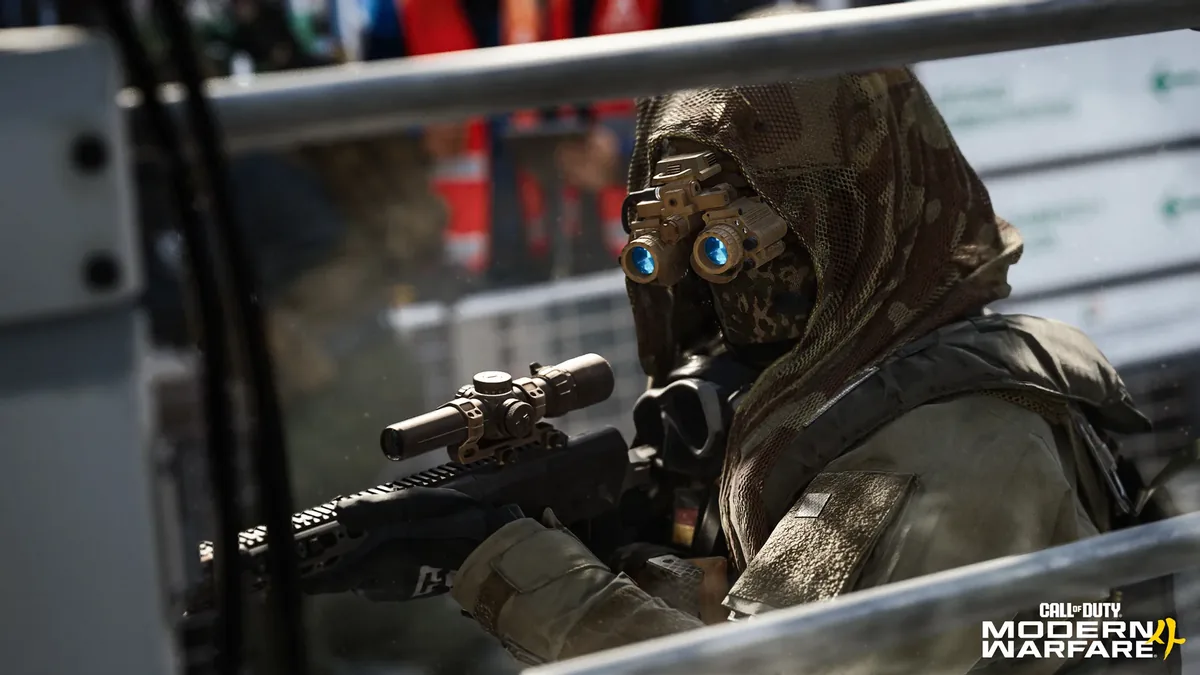
Snipers and marksman rifles are the class Modern Warfare 4’s launch patch directly touched: officials adjusted the flinch and damage of one-shot-kill weapons (snipers / shotguns). That produces a genuine re-sorting of the long-range ecosystem — last game’s anchoring feel does not transfer wholesale. This page unpacks the change, the verified Oris 8.6 marksman rifle, and weapon-selection logic in the 150-HP environment.
What the Launch Adjustment Changes#
The patch gives directional wording only, no numbers, but the mechanical meaning of a “flinch adjustment” for snipers can be reasoned out:
- Changed hit-flinch re-prices first-shot value. After the adjustment, the aim disruption suffered when hit differs from before — the error tolerance logic of “first shot, one kill” shifts, and tracking/follow-up shots carry more weight.
- Damage adjustment may move the kill threshold. Officials published no hitbox damage table and this page draws no numeric inferences; the one sure conclusion: last version’s muscle memory of “close your eyes and trust center-mass” needs recalibration.
- 150 HP amplifies the penalty for not killing. At 150 base health, any sniper shot that fails to down drags the duel into the opponent’s rhythm — a follow-up-shot plan matters more than ever.
Practical advice: a returning sniper’s first task is rebuilding per-distance shot expectations at the firing range, then tilting the loadout toward faster follow-ups after the first hit.
The Verified Marksman Rifle: Oris 8.6#
| Weapon | How to get it | Note |
|---|---|---|
| Oris 8.6 | Vault Edition Signature Weapon Collection | In your inventory from the start with the Vault Edition |
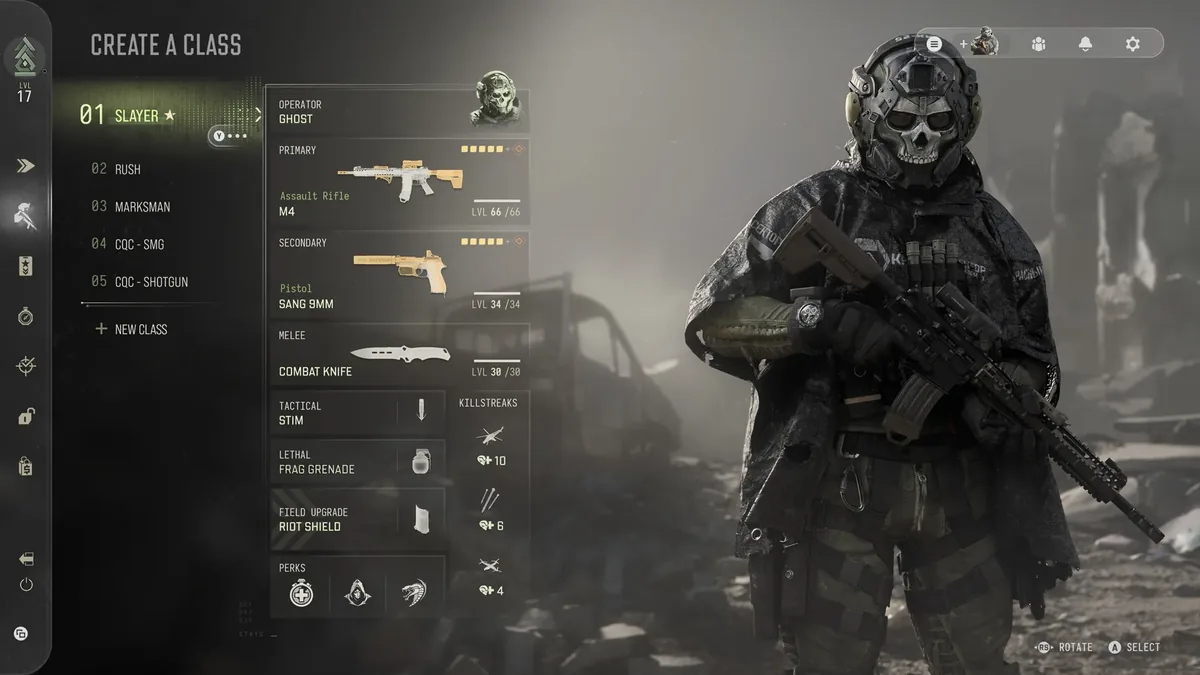
Marksman rifles vs bolt snipers keeps a clear division in this game: marksman rifles feed on rhythmic mid-to-far output; bolt snipers feed on one-shot threat and lane control. The Oris 8.6, as an 8.6mm-caliber marksman platform, is a natural fill on Ground War’s long straight lanes. Full launch rosters for both types are unpublished; no names are guessed.
Sniper vs Marksman Rifle: How to Choose#
| Dimension | Bolt sniper | Marksman rifle (Oris 8.6 et al.) |
|---|---|---|
| Kill cadence | One shot decides; a miss costs enormously | High tolerance; track and follow up |
| Engagement range | Long-lane control | Mid-to-far generalist |
| Version risk | Direct target of the flinch/damage adjustment | Relatively indirect exposure |
| Newbie friendliness | Low (one wasted shot is a giveaway) | High (semi-auto cadence recovers mistakes) |
Advice for returning players: rebuild your dueling feel on a marksman rifle first, then go back to the bolt gun. A changed flinch environment is cheapest to adapt to with the higher-tolerance weapon.
Loadout Thinking: Rebuilt Around the Flinch Environment#
- Apex Attachment first. Same as the whole arsenal: see which direction the dedicated Apex Attachment sets — the official positioning answer for these weapons lives there.
- Handling attachments rise in value. In the post-adjustment environment, attachments that restore aim speed and stability directly offset the flinch penalty — priority above pure damage classes.
- Cross-check with Gunny. Gunny’s recommendations reflect the official range positioning; if your hand-built build diverges wildly from the recommended direction, your read of the gun is probably off.
- Optic position and reticle customization. Gunsmith’s additions matter extra for snipers — the scoped picture directly decides your confidence in tracking shots; recalibrate at the firing range after any optic change.
Map and Mode Fit#
| Scenario | Advice |
|---|---|
| Ground War big maps (farm fields, wolf-stadium, forest maps) | The sniper/marksman home: long sightlines, vehicle-combat-zone edges, open fields |
| Core 6v6 mid maps | Marksman rifles work; bolt snipers depend on each map’s sightline design |
| Small maps (Shipment, Kill Block) | Don’t open with a bolt sniper; randomized layouts make close encounters dominate |
| DMZ extraction | An Oris 8.6-class marksman rifle is the balanced answer for overwatch and supply-clearing |
Synergies With Health, Perks and Streaks#
- In the 150-HP environment, re-derive every “two-shot kill” expectation from the new health pool; the marksman rifle’s cadence advantage is built precisely on recoverable multi-hit sequences.
- Snipers in the Smart Streaks system lean “pure kill-flow” — the objective-action dividend pays out incompletely, so prioritize kill-triggered streaks; planning at killstreaks and equipment.
- With tactical sprint bound to Blood Rush, the classic quick-scope mobility opener depends on a perk slot — a fresh decision whether to bring it; see controls and aiming settings.
Three Rules of Positioning and Movement#
Half a marksman’s map value is positioning discipline, and this version pushes three rules to the front:
- Miss, then move. At 150 HP a miss is amplified, and the second shot from the same position usually meets a pre-aimed counter — planning the rotation route before you even fire is this game’s baseline sniper skill.
- Scope behind cover, rotate behind cover. After the flinch adjustment, eating a first shot in the open rewards your opponent more; compressing your exposed surface to the scoped instant is the most direct way to blunt flinch.
- Elevation beats distance. A high-angle position enlarges the opponent’s exposure while flattening their return trajectory — look for vertical offsets first, distance second.
The Mistakes List#
| Mistake | Correction |
|---|---|
| Dueling with last game’s flinch expectations | Rebuild hit-recovery feel at the firing range before touching ranked lobbies |
| Opening Kill Block’s randomized small maps with a bolt sniper | Random layouts make close-encounter share uncontrollable; transition on a marksman rifle first |
| Stacking damage attachments, skipping handling | Recovery-speed attachments are the direct counter after the flinch change — see loadout thinking above |
| Ground War without an anti-close secondary | Long lanes are sniper turf, but when rushed you need a pistol or launcher — see pistols, launchers and melee |
| Using the Oris 8.6 as a “weaker bolt sniper” | The marksman’s value is cadence and tolerance; forcing one-shot play wastes the role |
Season 1 Progression Synergies#
Sniper/marksman growth shares the arsenal-wide systems; three planning notes:
- Apex Attachments unlock arsenal-wide — unlock the handling class on your main sniper/marksman first.
- Gunny’s recommendations for long-range weapons reflect official positioning; when your build diverges far, suspect your range-band judgment first.
- The camo journey holds 9 master camos across three modes; long-range challenges complete fastest on Ground War’s big maps (the farm fields, the wolf stadium) — planning at multiplayer modes and ranking.
The Two-Week Adaptation Plan#
Rebuild your long-range feel over the first two weeks after launch:
- Week one: firing-range calibration → marksman rifle on Ground War big maps, rebuilding distance expectations while knocking out the camo journey’s long-range entries on those long lanes.
- Week two: back to the bolt sniper on core 6v6 mid-size maps (the Silkworm shopping district, the Munition outskirts), validating your dueling conclusions under the new flinch environment.
- Throughout: read every official patch note touching snipers / shotguns (the launch patch set the precedent for one-shot classes) and let your feel baseline follow the patches.
One-Sentence Summary#
This game’s one-shot class had its handling officially retuned; a returning sniper’s first lesson is “forget last game’s flinch expectations”: rebuild dueling confidence on an Oris 8.6-class marksman rifle, offset hit-flinch with Apex and handling attachments, and return to bolt-gun lane control once the patch environment settles.