Zelda: Tears of the Kingdom Guide#
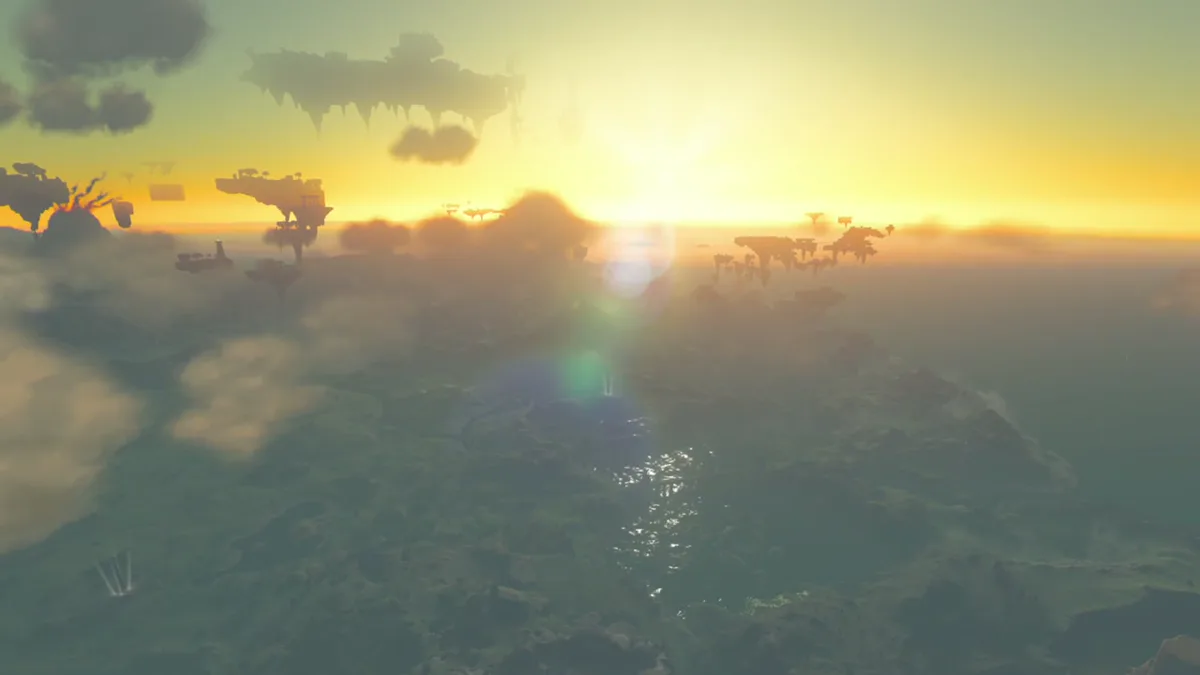
The Legend of Zelda: Tears of the Kingdom is Nintendo’s twentieth mainline Zelda and the direct sequel to Breath of the Wild, released May 12, 2023 on Nintendo Switch, with a Switch 2 edition following on June 5, 2025. You play Link again, searching Hyrule for the missing Zelda — but the stage has tripled: floating sky islands above, a lightless depths layer below, and the surface you remember cracked open between them.
This section is written system-first: the stamina bar, durability economy, shrine-light trading and Korok collecting are four interlocking progression lines, and most guide advice fails by treating them as four separate lists. Every mechanic description follows verified official sources; where a total count or number cannot be confirmed, this section leaves it blank instead of padding with guesses.
Game Overview#
| Item | Detail |
|---|---|
| Series position | 20th mainline Legend of Zelda; direct sequel to Breath of the Wild |
| Developer / publisher | Nintendo |
| Release | May 12, 2023 (Switch); June 5, 2025 (Switch 2 edition) |
| Stage | Hyrule surface + sky islands + the depths |
| Core loop | Explore, gather, craft, solve — all gated by stamina |
| Sales record | 10M copies in 3 days — fastest-selling Zelda ever; 20.8M cumulative by end of June 2024 |
| Awards | The Game Awards 2023 Best Action/Adventure; Famitsu·Dengeki Game Awards 2023 Game of the Year |
The Three-Layer Stage#
The first step to understanding Tears of the Kingdom is accepting that Hyrule is no longer one place. Each layer has its own job in the game’s design, and this section’s exploration pages are built on the same skeleton:
| Layer | Design role | Exploration focus |
|---|---|---|
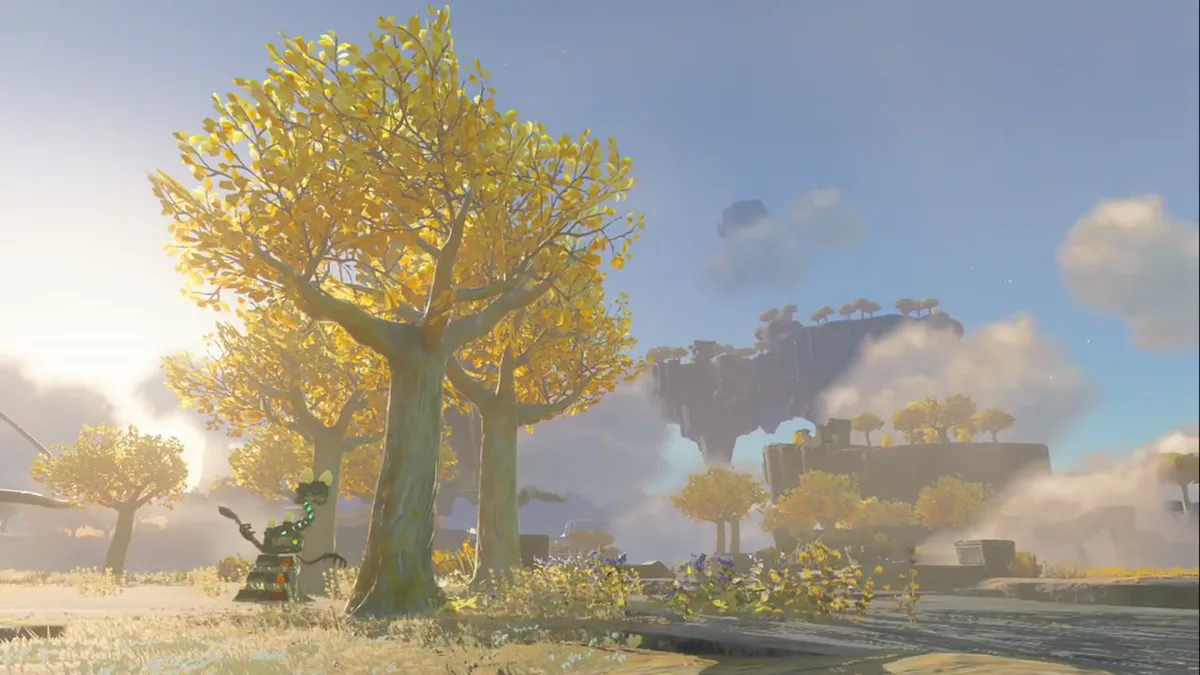
| The surface | The vast continent from Breath of the Wild, continued | Shrines, Korok puzzles and travel stitched together by climbing and gliding |
| The sky | Mysterious islands floating across open air | Altitude itself is the puzzle — routes up are part of the content |
| The depths | The deep extension beneath the surface | High-risk preparation, retreat planning and resource management in the dark |
Why It Is Worth Playing Right Now#
It survived its own hype. Ten million copies in three days made it the fastest-selling Zelda ever, and the 20.8M cumulative total puts it ninth among all Switch games. It won TGA’s Best Action/Adventure in 2023 and Famitsu·Dengeki’s Game of the Year — the sales were hype; the awards were the game holding up.
The Switch 2 edition opened a fresh entry window. Since June 2025, new hardware owners and returning players meet the same three-layer structure and the same systems — every guide here applies to both editions.
It is evergreen by design. Shrine blessings always trade at four lights per container, Korok puzzles always sit beside the road, and durability always forces the same triage. Collection-driven exploration does not expire with a patch cycle, which is also why a systems guide keeps its value longer than any news post.
Section Map#
| Line | Pages |
|---|---|
| Basics | Game overview (ZH) · Versions and buying guide (ZH) |
| Getting started | Beginner roadmap · Stamina and four movement modes (ZH) · Shrines and blessing lights |
| Combat and gear | Weapon durability · Combat resource management (ZH) |
| Exploration | Surface (ZH) · Sky islands (ZH) · Depths (ZH) · Cross-layer routing (ZH) |
| Collecting | Korok fruits and slots (ZH) · Collection priorities (ZH) · Resource economy (ZH) |
| Reference | BotW system comparison (ZH) · Returning players (ZH) · FAQ and blockers (ZH) · Milestones and awards (ZH) |
Pages marked (ZH) currently ship in Chinese; English versions are in progress.
Reading Paths#
- Complete beginner → this hub, then the beginner roadmap; stamina and shrine pages next — they are the foundation of the growth curve. After that, jump between layer pages by curiosity and check the FAQ when stuck.
- Returning from Breath of the Wild → the systems-comparison and returning-player pages (ZH); the carried-over systems need no relearning — read what the sky and depths changed.
- Collector → the Korok slot, collection priority and resource economy pages (ZH) in sequence, then build your own route.
About This Section’s Method#
The Chinese original opened October 29, 2026 under a single rule: mechanics, place names, numbers and quest names must match verified official sources, and details that search cannot confirm stay blank. That is why these pages lean on decision rules and trade-off frameworks instead of number walls — what is certain gets explained thoroughly, what is uncertain is marked as uncertain. Pages update as official material grows.
What This Section Assumes About You#
This hub is written for two readers: players a few hours in who still treat the Ultra Hand as a gimmick, and returning Breath of the Wild players relearning which reflexes changed. It is not written for speedrun routing, challenge runs or completionist counts — those exist elsewhere and do them better.
Every page here states its source class: mechanics the game documents directly, systems the community has converged on, and claims that remain open. Where a page marks something unverified, treat it as a door, not a wall — the section updates when evidence lands.
Pages link to each other by reading path rather than importance, so any page is a valid front door; the Reading Paths table above is the map.
Quick Answers#
Do I need Breath of the Wild first? No. Tears of the Kingdom assumes familiarity as flavor, not as homework — the movement, cooking and chemistry systems are re-taught, and the story picks up its own threads.
What are the three abilities to learn first? Ultrahand and Ascend solve most traversal and puzzle situations; Recall handles many boss and vehicle tricks. Fuse is the glue that makes the other two deadly. They are taught early and free.
How long until the credits? Main-story-focused runs land well under the game’s reputation for length; completionist runs are a separate game. The beginner roadmap explains why rushing the castle is a valid choice.
Is weapon durability still on? Yes, and the whole economy is rebuilt around it — see the durability guide before you hoard your best sword into the endgame unused.
Do I need to read this section in order? No — pages link by reading path, not hierarchy. The Reading Paths table is a map, not a syllabus; any page opens cold.
Will these pages spoil my first playthrough? Mechanics yes, discoveries no. Pages describe systems the game teaches directly and never route you past a puzzle’s answer, so the surprises stay yours.
Related#
- Breath of the Wild Guide (ZH) — the predecessor whose systems carry over directly.
- Best Open-World Games — where Tears of the Kingdom tops most lists.