Dota 2 Ranked System#

Climbing Strategy#
- Master 2–3 heroes: stop hero-hopping; depth beats breadth.
- Commit to one position: pick a lane/role and practice it deliberately.
- Sharpen last-hitting: 60+ last hits by the 10-minute mark is the baseline for core positions.
- Keep map awareness: glance at the minimap constantly and predict enemy positions.
- Manage tilt: after a losing streak, step away — never climb while tilted.
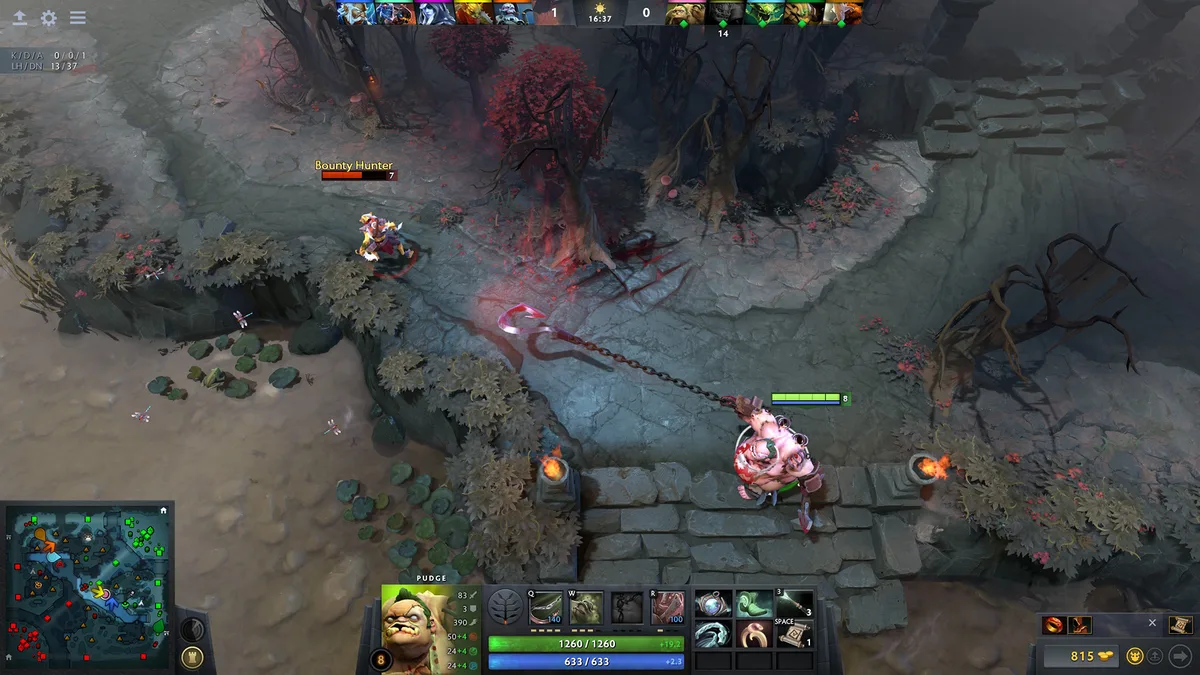
MMR and Matchmaking#
MMR moves primarily with wins and losses; a win streak slightly accelerates gains, and playing heroes you know reliably performs better than novelty picks. The fine mechanics of gains and losses are not published — treat any exact formula you see online as speculation.
| System |
Description |
Importance |
| MMR matchmaking |
Matches players near your MMR |
High |
| Behavior score |
Evaluates player conduct |
High |
| Position preference |
Queue for the roles you’re good at |
High |
| Server selection |
Pick the closest server |
Medium |
| Performance signals |
In-match behavior feeds evaluation |
Medium |
Hero Mastery Path#
| Stage |
Goal |
Method |
| Entry |
Learn 1–2 heroes |
10–20 matches |
| Proficiency |
Get comfortable on 3–5 heroes |
50–100 matches |
| Mastery |
Master 5–10 heroes |
200+ matches |
| Beyond |
Deep mastery on 10+ heroes |
500+ matches |
Last-hit Training#
| Method |
Description |
Effect |
| 10-minute challenge |
Target 50–60+ last hits by minute 10, no items |
Efficiency gains |
| Live lanes |
Practice under real pressure in matches |
Practical application |
| No-items drills |
Last hit without buying anything |
Precision gains |
The no-items drill is the harsh but honest one: if you can hit 50+ in an empty lane with no items, real lanes with a Quelling Blade feel easy.
In-game Communication#
| Channel |
Use case |
Importance |
| Pings |
Mark enemies, items, positions |
Critical |
| Chat calls |
Report enemy positions, spell cooldowns |
High |
| Voice |
Teamfight coordination and strategy |
Critical |
| Chat wheel |
Quick standard phrases |
Medium |
| Quick pings |
Missing enemy, on my way |
High |
Ranked Rules#
| Rule |
Notes |
| Calibration |
A set of calibration matches sets your initial rank; the count varies by account |
| Rank protection |
A grace period applies when first reaching a new medal |
| Behavior score |
Low behavior score degrades matchmaking quality |
| Party restrictions |
Wide rank gaps are limited in parties |
| Match length |
Typically 35–50 minutes |
Behavior Score#
Behavior score is a five-digit hidden value that grades conduct — commendations raise it, reports and abandonment lower it. Community experience suggests bands roughly like the table below, but Valve has never published exact thresholds:
| Band |
Experience |
Advice |
| High |
Good-quality teammates |
Keep playing well |
| Middle |
Normal matchmaking |
Avoid feeding, AFK, and flame |
| Low |
Rougher teammates |
Fix the conduct first |
| Very low |
Punishment tier |
Serious behavioral change needed |
The lever that moves it is simple: play every match without rage, report-baiting, or abandoning, and it climbs on its own.
Tilt Management#
Handling a losing streak#
| Strategy |
Description |
Effect |
| Take a break |
Stop after 2–3 straight losses |
Recovers your head |
| Review |
Analyze why the streak happened |
Finds the real problem |
| Switch roles |
Queue a different position |
Relieves pressure |
| Find teammates |
Queue with a group |
Better coordination |
Mindset adjustments#
| Mindset |
Description |
Effect |
| Growth view |
Treat losses as lessons |
Keeps you improving |
| Present focus |
Play this match, not the last one |
Steady performance |
| Ignore noise |
Mute complainers early |
Stays calm |
| Confidence |
Trust your preparation |
Best performance |
Efficient Climbing Habits#
| Habit |
Description |
Effect |
| One position |
Focus practice on a single role |
Faster mastery |
| Mastered heroes |
2–3 heroes deep |
Consistent performance |
| Peak hours |
Queue at active times |
Better match quality |
| Tilt discipline |
Rest after losing streaks |
Steady performance |
| Replay review |
Watch your own losses |
Finds problems |
Stacking Advice#
| Advice |
Description |
Effect |
| Fixed teammates |
Build a regular five-stack |
Coordination compounds |
| Role assignment |
Everyone owns a different position |
Balanced team |
| Shared hero pools |
Align on comfort picks |
Consistent strategies |
| Unified build plans |
Agree on item logic |
Maximized resources |
Common Ranked Problems#
| Problem |
Cause |
Fix |
| Poor match quality |
Low behavior score |
Improve conduct |
| Uncooperative teammates |
Solo-queue variance |
Queue in a stack |
| High latency |
Distant server |
Pick a closer server |
| AFK players |
Player conduct |
Report, then move on |
Ranked Myths vs Facts#
| Myth |
Fact |
| A win streak means a loss is coming |
Matchmaking gets harder after wins — but nothing is predetermined |
| Some position climbs faster |
Every position climbs — mastery is the variable that matters |
| Lag decides your rank |
Lag hurts comfort, not your medal ceiling |
| Cosmetics affect gameplay |
Items are purely decorative — zero stat impact |