Story Analysis#
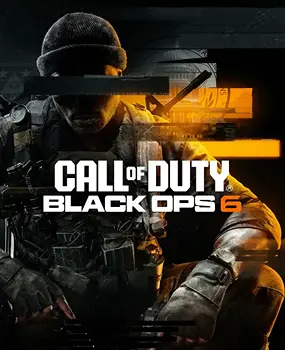
The story of Call of Duty: Black Ops 6 is set in the early 1990s, against the historical backdrop around the Gulf War. The plot revolves around CIA covert operations — the player takes on the role of agent Frank Woods and his team, drawn into a global conspiracy codenamed “Operation Emerald.” The game’s timeline follows Black Ops Cold War (the 1980s) while planting seeds for the future of the series. The story explores loyalty, betrayal, and the gray areas of war — no character is purely good or purely evil
Campaign Story Summary#
| Chapter |
Main Events |
Location |
Key Characters |
| Act I: Awakening |
Woods’ team tracks an arms smuggling network — discovers a superweapon program codenamed “Pandora” |
Iraq, Kuwait, Turkey |
Frank Woods, Russell Adler, Jason Hudson |
| Act II: Conspiracy |
The truth behind the Pandora program surfaces — involving a double agent between the US and the USSR — a traitor appears inside the team |
Soviet Union, Eastern Europe, Berlin |
Rachel Kane, Alexei Voronov, the mysterious mole |
| Act III: Abyss |
Operation Emerald fully unfolds — a nuclear threat closes in — Woods makes an irreversible choice |
Multiple locations worldwide |
All major characters — the final confrontation |
Black Ops Series Timeline#
| Title |
Setting Era |
Main Events |
Connection to BO6 |
| Call of Duty: World at War |
1941-1945 (WWII) |
The story of Reznov and Dimitri in World War II |
Sets up Mason’s background |
| Black Ops 1 |
1961-1968 |
Alex Mason’s story — the numbers brainwashing — the Kennedy assassination plot |
Series origin — debut of the Nova Group |
| Black Ops 2 |
1986-2025 |
The Mason father and son — the rise of Josef Sidis |
Shapes Woods’ characterization |
| Black Ops Cold War |
1981-1984 |
Adler and Bell — Operation Perseus |
Direct prequel — Adler returns |
| Black Ops 6 |
1991-1992 |
Operation Emerald — the Pandora program — Woods’ final mission |
This game |
| Black Ops 7 (speculated) |
1995+ (speculated) |
The story of the next generation of characters |
May continue the BO6 ending |
Key Character Profiles#
| Character |
Identity |
Faction |
Status |
Voice Actor |
| Frank Woods |
Protagonist — CIA agent |
CIA Black Ops Team |
Alive |
Ice Cube (original) / Damon Victor Allen (BO6) |
| Russell Adler |
Veteran agent — Woods’ mentor |
CIA |
Alive |
Matt Mercer |
| Jason Hudson |
Senior CIA official |
CIA |
Alive |
To be confirmed |
| Rachel Kane |
New CIA analyst — the logical type |
CIA |
Alive |
New character |
| Alexei Voronov |
Former KGB agent — both ally and enemy |
Former KGB |
Ending undecided |
New character |
| Victor Zakhaev |
Arms dealer — potential antagonist |
Russian arms group |
Alive |
Classic series villain returns |
Key Story Twists#
| Twist |
Chapter |
Description |
Impact |
| Mole Revealed |
Act II |
Someone inside the team has been leaking intelligence to the enemy |
Changes the trust between every character |
| The Truth of Pandora |
Act II |
Pandora is not a weapon — it is an AI controlling the global communications network |
Reveals the true purpose of Operation Emerald |
| Woods’ Betrayal |
Act III |
Woods is forced to make a choice that sacrifices his teammates |
A major emotional blow to the character |
| Double Identity |
Act III |
A certain character has actually been working for both sides all along |
Redefines the direction of the whole story |
| Ending Reversal |
Epilogue |
In the final mission, “the price of success” far exceeds expectations |
Affects future Black Ops sequels |
Core Themes#
| Theme |
Expression |
Related Characters |
| Loyalty and Betrayal |
Every character must pick a side — the price of loyalty can be lethal |
Woods, Adler, the mole |
| Gray Areas of War |
There is no pure good or evil — every action has a cost |
All major characters |
| The Weight of History |
The older generation of agents carries the sins of the past |
Woods, Adler, Hudson |
| Technology vs. Humanity |
Artificial intelligence and advanced weapon systems challenge the traditional rules of war |
The Pandora system |
| The Meaning of Sacrifice |
Sacrificing personal bonds for the greater good — but is it worth it? |
Woods’ final choice |
Important Scene Analysis#
| Scene |
Chapter |
Narrative Meaning |
Gameplay Presentation |
| Kuwait Infiltration |
Act I |
First shows the importance of omnidirectional movement in stealth missions |
Open stealth area — multiple route choices |
| Berlin Wall Demolition |
Act II |
Historical events as narrative backdrop — with symbolic meaning |
Large battle scene — surrounding walls collapse |
| Moscow Car Chase |
Act II |
A tense action scene — reveals key intel |
Vehicle combat level — combines shooting and driving |
| Mole Confrontation |
Act III |
The core turning point of the entire story |
Interrogation and choices — dialogue affects the story direction |
| Final Mission |
Act III |
The climax — the mission that decides the fate of the world |
High-difficulty combat — a comprehensive test of all skills |
Faction Analysis#
| Faction |
Goal |
Methods |
Relationship with the Player |
| CIA Black Ops Team |
Stop global threats — protect US interests |
Covert operations, assassination, information warfare |
The player’s faction |
| Emerald Group |
Use the Pandora system to control global communications |
Infiltration, manipulation, high-tech espionage |
Main antagonist |
| Former KGB Remnants |
Restore Soviet influence |
Traditional espionage — violent means |
Temporary allies |
| Private Military Company |
Maximize profit — sell to the highest bidder |
Mercenary activity — loyal to no side |
Variable — depends on the situation |
Story Controversies and Interpretations#
| Controversy |
Different Views |
Developer Interpretation |
| Adler’s Moral Stance |
Hero or anti-hero? |
A complex character — will do anything to achieve the goal |
| Whether Woods Was Brainwashed |
Free will vs. long-term brainwashing |
Hints suggest influence from past events |
| The Pandora AI’s Autonomy |
Is the AI self-aware? |
Open to interpretation — leaves suspense for sequels |
| The Moral Choice in the Ending |
Sacrificing the few to save the many vs. refusing to sacrifice |
There is no correct choice — only different consequences |
Series Easter Eggs and Connections#
| Easter Egg |
Location |
Connected Title |
Description |
| Mason Numbers |
Background broadcast |
Black Ops 1 |
You can hear a numbers broadcast — the same voice heard during Mason’s brainwashing |
| Nova Gas |
Document mention |
Black Ops 1 |
Documents mention remaining stockpiles of Nova 6 |
| Woods’ Scar |
Character appearance |
Black Ops 2 |
The origin of the scar on Woods’ face is told in BO6 |
| Mason’s Legacy |
Dialogue mention |
The whole series |
Characters discuss Alex Mason’s fate |
| Judgment Day |
Hidden computer terminal |
Black Ops 2 |
The terminal screen shows code similar to “Judgment Day” in BO2 |
Story Branch Choices#
| Choice |
Chapter |
Impact |
Different Outcomes |
| Interrogation Method |
Act II |
Affects later character relationships and intelligence gained |
Violent interrogation yields more intel but loses trust |
| Save Teammate |
Act III |
Decides which character survives |
Different characters appear in later missions |
| Trust Adler |
Act III |
Affects the result of the final mission and the ending |
Trust vs. doubt — different mission objectives and results |
| Final Decision |
Epilogue |
Decides the final fate of the Pandora system |
Multiple endings — affects the post-credits scene |
Key Character Motivation Analysis#
| Character |
Surface Motivation |
Deeper Motivation |
Narrative Function |
| Frank Woods |
Protect national security |
Atonement — making up for past mistakes |
Protagonist perspective — the character the player inhabits |
| Russell Adler |
Complete the mission — at any cost |
Control — must control everything — rooted in the fear of being betrayed |
The representative of the moral gray zone |
| Rachel Kane |
Prove herself at the CIA — show her value |
Searching for belonging — since her husband’s death — the CIA became her home |
A new perspective — represents the audience |
| Victor Zakhaev |
Restore Soviet military power |
Hatred of Western nations — rooted in the collapse of the Soviet Union |
Classic villain — paves the way for future titles |
Mission Narrative Analysis#
| Mission |
Narrative Focus |
Theme |
Gameplay Support |
| Operation Daybreak |
Introduces Woods and the team — sets the tone |
Loyalty — trust between teammates |
Tutorial level — shows off omnidirectional movement |
| Shadow Protocol |
Shows the danger of intelligence work |
Secrets and lies — the value of information |
Pure stealth level — emphasizes patience and observation |
| Trial of the Mole |
The team splits — trust collapses |
Betrayal — the cost of misjudgment |
Dialogue choices — affect the later story |
| Endpoint |
Final confrontation — character arcs complete |
|
|
Ending Detailed Comparison#
| Ending Type |
Trigger Condition |
Pandora Status |
Woods’ Fate |
Adler’s Attitude |
Post-Credits Hint |
| Destroy Pandora |
Choose to destroy the system |
Destroyed — but a backup may exist |
Survives — but badly wounded |
Satisfied — but wary of future threats |
Zakhaev is seen watching from somewhere |
| Control Pandora |
Choose control instead of destruction |
Controlled by the CIA — used for intelligence gathering |
Survives — becomes the head of the new project |
Concerned — believes this is the wrong decision |
The Pandora system shows an unknown access |