Ghost of Yōtei Cinematic Modes & Photo Mode#
Beyond the revenge line through 1603 Ezo, Ghost of Yōtei hands Atsu — and the player — a set of presentation switches: Kurosawa Mode returns, while Miike Mode and Watanabe Mode are new this game. This page covers the three modes plus the photo mode and Japanese lip sync; combat numbers stay out of scope entirely.
The modes differ in temperament, not power: one is black-and-white grain honoring Kurosawa’s cinema, one pushes the camera closer and stresses mud and impact, one runs Lo-Fi music and is named as suited to exploration. None of them unlocks anything in the story — they sit beside Atsu, the Onryō, and the Yōtei Six as parallel presentation options.
The material here comes from encyclopedia mirrors and pre-launch 2025 previews; image parameters, filter values, and frame rates were never captured. The page presents by source tier and keeps the one stated fit (“suited to exploration”) separate from this section’s own scene suggestions.
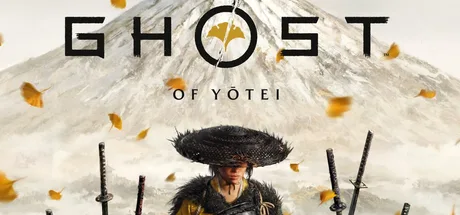
Three Modes: One Returned, Two New#
Kurosawa Mode is the only returned item of the three, and the fact card ties it to Ghost of Tsushima: black-and-white, film grain, an homage to Kurosawa’s cinema. “Returned” means it is not a new filter invented for this game, so this section writes no mode-exclusive parameters for it.
Miike Mode and Watanabe Mode are both new. The former is described as a closer camera stressing mud and impact; the latter carries Lo-Fi music and is explicitly named as suited to exploration. The two new items’ sourcing grain differs — the table below unfolds them dimension by dimension.
“Not specified” cells are written in, not skipped: a table with only the three documented rows would invite readers to assume the rest was answered too. The same mechanism-over-numbers discipline runs through this section’s sibling pages.
| Dimension | Kurosawa Mode | Miike Mode | Watanabe Mode |
|---|---|---|---|
| Relationship to the predecessor | Returned | New | New |
| Visual base | Black-and-white, film grain | Mud and impact | Not specified |
| Camera treatment | Not specified | Closer | Not specified |
| Audio treatment | No separate description captured | No separate description captured | Mode-specific music |
| Homage target | Kurosawa’s films | Not named | Not named |
| Stated fit | Not specified | Not specified | Suited to exploration |
| Sourcing | Encyclopedia mirror | Encyclopedia mirror, previews | Encyclopedia mirror, previews |
The camera row has content only under Miike Mode; the other two cells stay as captured: the fact card describes no camera distance for Kurosawa or Watanabe, and this page will not borrow film-school common sense to fill in “wide shot” or “medium shot” on its behalf.
The homage row is the same story: only Kurosawa Mode is documented as honoring Kurosawa’s films. The other two are named after directors, but no homage wording exists in the material — the cells read “not named,” with no director-filmography associations invented around them.
Presentation Options and Stated Fits#
The common question is “which mode for which moment” — but the material states exactly one fit: Watanabe Mode is suited to exploration. This page lists stated fits beside unspecified spots so editorial framing is never dressed up as official advice.
Photo mode and Japanese lip sync are not among the three modes, but they are presentation options, so they join the table. Photo mode is called “full”; Japanese lip sync pairs with Atsu’s Japanese voice track; neither has documented toggles or parameters.
One caution the table cannot skip: the fit column does not mean a mode changes gameplay outcomes. Kurosawa Mode does not touch the weapon-counter system, and Miike Mode does not reorder the hunt for the Six — these are presentation-layer switches only.
| Option | Stated fit | Not specified | Sourcing |
|---|---|---|---|
| Kurosawa Mode | Black-and-white viewing honoring Kurosawa | No gameplay segment named | Encyclopedia mirror |
| Miike Mode | Mud-and-impact presentation | No gameplay segment named | Encyclopedia mirror, previews |
| Watanabe Mode | Suited to exploration | No specific systems named | Encyclopedia mirror, previews |
| Lo-Fi music | Watanabe Mode’s pairing rhythm | No track or volume parameters | Encyclopedia mirror, previews |
| Photo mode | Still photography framing | No image parameters or filter values | Encyclopedia mirror, previews |
| Japanese lip sync | Aligns with the Japanese voice track | No toggle documented | Encyclopedia mirror, previews |
Lo-Fi music gets its own row because it is both Watanabe Mode’s signature and the only documented audio treatment; the other two modes’ audio dimensions simply have no separate description captured.
The table deliberately contains no “switch to X for Bamboo Strikes, hot springs, or sumi-e” pairing lines — no source binds any mode to any side activity, and such lines would be true of any game with a filter, which is exactly the filler this section retires.
Photo Mode, Lip Sync, and the Demonstration Anchor#
Photo mode appears beside the three modes in the fact card with the wording “full photo mode.” “Full” is the material’s own word — quoted without extension: no filter counts, no depth-of-field claims, no frame-rate or resolution parameters.
Japanese lip sync pairs with Atsu’s Japanese voice performance: the English voice (Erika Ishii) and the Japanese voice (Fairouz Ai) are listed separately, and lip sync serves the latter. No documentation covers how to enable it, so the page stops at “this pairing exists.”
The presentation suite’s public anchor is the July 10, 2025 State of Play: roughly twenty minutes, two creative directors walking through gameplay, setting, and visual style. Composer and art credits come from the same encyclopedia mirrors; this page does not expand the names.
- Kurosawa Mode: flagged “returned” — the predecessor carried the same-named presentation.
- Miike Mode: new; closer camera, mud and impact.
- Watanabe Mode: new; mode-specific music, suited to exploration.
- Photo mode: called “full” — no image parameters or filter values added.
- Japanese lip sync: aligned with the Japanese voice track — no toggle written.
- Demonstration anchor: the July 2025 State of Play, two creative directors on gameplay and visuals.
- First-party gap: Sony’s original articles and dev-team changelogs were not captured.
The demonstration anchor timestamps the “returned” and “new” judgments: they come from pre-launch material, not from 2026 version changelogs — the same caution this section applies to the Complete Edition’s conflicting release dates.
The first-party gap governs everything: without Sony’s original articles or developer changelogs, no toggle steps, switching timing, or parameter values are written anywhere on this page.
Ezo Backdrops Beside the Modes#
The three modes are presentation switches; Ezo’s dynamic weather, biomes, and side activities are confirmed scenery. Listing them together marks “viewable side by side” — and every row states that no linkage between them is verified.
Dynamic weather draws on the mountain’s real climate: snow, rain, aurora, blizzards, and fog. Teshio Ridge is held by the Fox and her nine-tails ninja clan; the Oshima Coast by the best-equipped, mostly firearm-wielding Saito forces. These are fact-card geography and enemy placement — not mode content.
Sumi-e replacing haiku, shamisen songs playable at camp, zeni hajiki as new — these side activities sit near the cinematic suite in temperament, but no source connects them; the table writes “linkage unverified” throughout.
| Backdrop in the game | Verified basis | Relationship to the modes | Linkage verified? |
|---|---|---|---|
| Dynamic weather: snow, rain, aurora, blizzards, fog | From Yōtei’s real climate | Framing material | Unverified |
| Teshio Ridge and the Oshima Coast | Biomes and enemy archetypes | Framing landscapes | Unverified |
| Sumi-e | Replaces the predecessor’s haiku | Same visual-stillness orientation | Unverified |
| New shamisen songs | Playable at camp | Auditory kinship with Lo-Fi | Unverified |
| Japanese voice track | Atsu’s Japanese performance | Direct pairing with lip sync | Mirror-sourced pairing |
| Tsushima’s same-named mode | This game’s mode is “returned” | Generational continuation | Mirror-sourced |
| Zeni hajiki and Altars of Reflection | Side activity and skill system | No source connects them | Unverified |
The only documented pairing is Japanese voice and lip sync: both serve Atsu’s Japanese performance, and the fact card places them in the same presentation item. Every other row is editorial scenery — no mechanic conclusions.
The Tsushima row reads “generational continuation”: Kurosawa Mode’s “returned” flag means one presentation spans two games. It is this page’s only sanctioned predecessor reference — no filter values inferred from it.
Sourcing Tiers and Parameter Blanks#
Four source types feed this page: encyclopedia mirrors give the modes’ names and temperaments; pre-launch previews add “new,” “suited to exploration,” and “full photo mode”; the demonstration retelling is background; and image parameters, filter values, and frame rates have no source at all.
The fact card’s unverified section explicitly lists frame-rate and resolution-mode parameters as concrete-value gaps and requires pages like this one to write mechanics instead of stat sheets. All three tables above comply — not one cell holds a parameter.
The exclusions table below also lists what must NOT enter, because pre-launch previews once carried since-changed speculations; flagging them keeps this page’s conventions consistent with its siblings.
| Source type | Covers | Writable? | Flag |
|---|---|---|---|
| Encyclopedia mirrors | Mode names, grain, closer camera, music | Qualitative mechanics | Setting |
| Media previews (demos) | The two new modes | Qualitative mechanics | Preview |
| Media previews (CN breakdown) | Full photo mode, Japanese lip sync | “Exists” only | Preview |
| July 2025 State of Play retelling | Two creative directors on visuals | Background only | Retelling |
| First-party official material | Parameters, filters, frame rates | Not captured — blank | Blank |
| Pre-launch outdated speculation | Frame-rate/resolution parameters | Must not enter | Excluded |
| Reviews and sales figures | Unrelated to presentation | Never enters | Excluded |
The blank list compresses to one sentence: Kurosawa’s grain strength, Miike’s camera distance values, Watanabe’s track list and volume, the photo mode’s filter tiers, and lip sync’s toggle — none captured this round.
None of that stops the modes from re-coloring Atsu’s revenge line: the material gives temperament and one stated fit, this page relays it faithfully, and no invented parameters pad the tables.
Related Reading#
- Ghost of Yōtei Sumi-e, Zeni Hajiki & Shamisen Songs: the three side activities listed here as “temperament-adjacent, linkage unverified.”
- Ghost of Yōtei Weather & Environmental Pressure: how snow, rain, aurora, blizzards, and fog draw on the real mountain.
- Ghost of Yōtei Regions — Teshio Ridge & Oshima Coast: the nine-tails clan’s ridge and the Saito coast — prime photo-mode landscapes.
- Ghost of Yōtei Character Relationships — Atsu & the Wolf Pack: the voice cast behind the Japanese lip-sync pairing.