ACNH DIY Recipes and Material Loops: Wood, Iron to Cooking and Pottery#
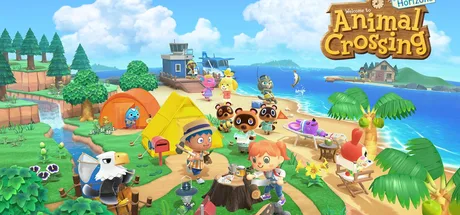
New Horizons runs on one legible loop: swing tools to gather, bank wood and iron, craft furniture from a recipe, place the furniture somewhere — then gather more because the placement plan outgrew the supply. Tom Nook’s island getaway plan drops you on an almost blank island precisely so this loop starts spinning with the first axe swing.
The 2.0 free update stretched the loop at both ends: crops and cooking at one end; pottery, ceiling furniture, half-wall wallpaper and a raised design cap at the other. Materials no longer serve only “build a table” — they feed dinner, wall art and museum donations.
This page follows: gathering → crafting → 2.0 extensions → renovation → sourcing boundary. Recipe totals and recipe tables are unverified in our fact base; we describe acquisition directions, never lists or odds.
The loop: tools, swings, materials#
Our base summarizes the system as “gather and craft (collect wood, iron and other materials to craft furniture),” ranked alongside terraforming as the game’s core gameplay. Tool durability doesn’t buy score — it buys objects you can put on the ground.
Wood and iron headline the loop, but its real value is stacked uses: the same batch feeds furniture and, after 2.0, kitchen and display scenarios; surplus pieces go outdoors, and when the lawn overflows, 2.0’s outdoor storage sheds absorb them.
| Loop stage | In-game counterpart | Output destination |
|---|---|---|
| Tool gathering | Hit trees and rocks with tools | Wood, iron nuggets, clay, branches |
| Material banking | Hold counts until a recipe clears | Crafting queue |
| Recipe crafting | Combine inputs into furniture | Indoor and outdoor display |
| Island placement | Furniture layout and paths | Feeds further terraforming plans |
| Storage return | Outdoor storage and ATM | Backpack freed for the next run |
- Fixed ladders and half-tile movement changed pick-up flow: high material points and finer furniture placement stopped needing detours.
- Outdoor storage cabinets and ATMs are 2.0 additions whose job is deleting the “walk home, stash, walk back” segment from the loop.
- Tool durability numbers, upgrade recipes and craft times are unverified in our base — no counts given.
The recipe book: knowledge and materials are two banks#
The recipe is the loop’s converter: it decides what a bundle of wood and iron becomes. You never create from nothing — you first learn a recipe, then spend materials to instantiate it. So materials and knowledge are parallel savings accounts.
On recipes themselves our column takes the conservative line: totals and tables are unverified, so we describe acquisition directions qualitatively — no counts, no lists, no drop rates. Players who want completeness keep their own ledger with three columns: how it was found, what it costs, what it makes.
The directions themselves are confirmed patterns: bottles wash ashore, balloons drift over, villagers gift you, the DIY rack in the shop carries rotating stock, and seasonal events hand out themed sets. Missing a recipe means missing a source visit, not failing a check.
2.0’s new exits from the loop#
| 2.0 addition | Loop extension |
|---|---|
| Cooking at the kitchen | Crops and foraged goods become food buffs, not just sale goods |
| Buried pottery shards | Bury, water, wait overnight, unearth a museum piece |
| Design uploads: 200 | Pattern library doubles; half-wall paper and cloth patterns as clothing prints |
| Ceiling furniture | Creative surface gains a roof |
| Custom Design Pro app additions | Clothing print pipeline from upload to wardrobe |
Pottery is the most interesting of the five because it inverts the loop: instead of materials leaving the ground into furniture, a finished object goes into the ground and comes back as heritage. It’s the game teaching archaeology as a daily chore with a watering can.
Renovation: where crafting meets placement#
Crafted furniture isn’t the loop’s end — placement is. The same item reads differently on grass, in a room, on a custom path or under a ceiling plan; that’s why the crafter’s inventory is also a curator’s inventory. Players who grind recipes without a display plan end up with 800 furniture pieces and no island; the fix is never “more recipes,” it’s deciding what one zone of the island is for.
A daily route that feeds the whole loop#
Materials come from everywhere, so the route matters more than any single node:
| Stop | What it feeds | Why this order |
|---|---|---|
| Beach sweep: shells and bottles | Bottles = recipe knowledge | New recipes before new materials |
| Nook’s Cranny tool check | Replacements before breakage | A snapped tool costs the route twice |
| Wood, stone and iron strikes | The core craft bank | Trees and rocks sit on every path |
| Balloon watch between nodes | Gifts and extra recipes | Floating gifts while already walking |
Three rules that keep the route honest:
- Bottles before wood. Knowledge bank first — a new recipe changes what today’s materials are even for.
- Craft the day’s tools in the morning. A tool that breaks mid-route costs the loop twice: the materials and the walk back.
- Bank surplus by category, not by mood. Iron, wood, clay and weeds — the recipe book’s pillars — never expire and never stop being the constraint.
Quick Answers#
Do tools break forever? No — you craft replacements from the same loop, and upgraded tools (ladder, slope stick, slingshot, net, rod, axe, shovel upgrades) are recipes like any other. Durability counts are unverified in our base.
What’s the fastest early material plan? Branches and hardwood are free from grass and shaking; hit one rock per day and sell nothing you need for the vault-queue milestones. (Money strategy lives in the Chinese economy pages.)
Do 2.0 cooking buffs matter? They’re the crop sink: food made from your own crops grants temporary effect buffs, closing the farm-to-skill curve the update opened.
Where do recipe bottles fit? Bottles are one confirmed early source among the directions above — reliable for basics, random for the rest, which is exactly why we list directions instead of pretending to a completion route.
Which materials run out first for most players? Iron nuggets — daily rock output is capped while the recipe book leans on iron heavily, which is why the route above strikes rocks before balloons.
Are fishing and bug-catching part of the material loop? Only at the edges — critters feed the museum and the shop economy, not the craft bank; the route above covers the craft-critical nodes.
Do the 2.0 additions change the early-game route? They change the ceiling, not the floor: cooking and the new design space spend materials you will gather later — the four-pillar route stays correct from day one.
Are weeds worth keeping? Always — weeds are a recipe-book staple and the cheapest material on the island, which makes weeding gathering, not cleaning.
Related#
- New Horizons hub — facts and the 2.0 boundary
- Island Designer guide — the layout layer your crafts serve
- Villager system — villagers as a recipe source
- Full recipe-loop depth (ZH) — extended Chinese guide