GTA 6 Netflix Premiere Rights: The $80M Report#
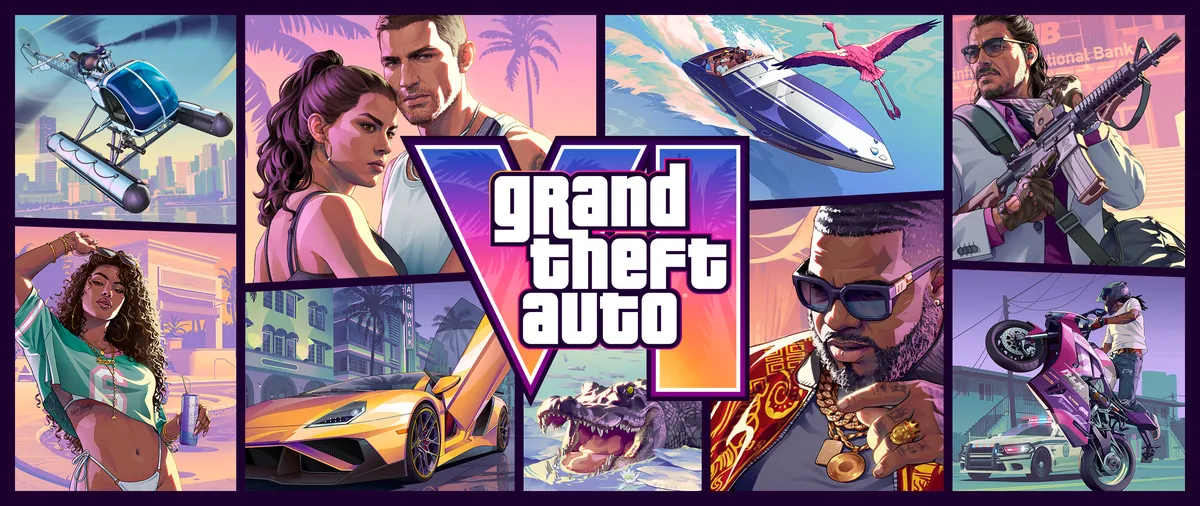
Before the August 28 Netflix premiere of the Grand Theft Auto 6 extended gameplay preview even started, it had already set the internet arguing. The spark was a leak: according to well-known insider Tom Henderson, Netflix paid Rockstar roughly $80 million for the premiere rights — a figure he framed as the equivalent of selling one million copies of a $80 game. Overseas player communities reacted instantly, and “cash grab” became the most repeated phrase in the discussion threads. This article walks through where the claim came from, what the number actually means, and what the controversy could mean for the industry. Important caveat up front: the figure comes from a single source and has never been confirmed or denied by either company.
1. How the Controversy Started#
The source: Tom Henderson#
Tom Henderson is one of the more influential gaming insiders of recent years, with several accurate GTA 6 predictions to his name, which earned him a measure of credibility among both players and media. When he published the claim that Netflix paid around $80 million for the premiere rights, it was picked up rapidly by major gaming outlets and became a front-page topic.
What the money actually means#
How big is $80 million? To make the scale concrete, here are a few conversions:
| Comparison basis | Result |
|---|---|
| At $80 per copy | Roughly the gross sales of one million copies |
| Versus standard editions | Comparable to only the best-selling flagship titles |
| Versus marketing budgets | Usually exceeds the entire marketing spend of most AAA launches |
| Versus platform licensing | Higher than most third-party promotional licensing deals |
In other words, whether or not the exact figure holds up, the claim alone elevated the perceived value of “premiere rights” to a level the games industry had rarely seen.
Why “cash grab” became the consensus#
The core of player anger was a feeling of being marginalized. For years, the biggest game trailers were free and open to everyone. Packaging the most important reveal as a subscription-platform exclusive premiere read to many as publishers monetizing fan attention itself — which naturally drew fire.
2. Why the Deal Was Plausible#
Netflix’s strategic motive#
Netflix has long stopped being only a film and TV platform. Its gaming push has been underway for years — a cloud gaming service, a growing catalog of licensed IP. Landing the GTA 6 premiere would be a high-profile breakout moment: it could drive game players to subscribe and prove Netflix’s weight in the game-content ecosystem at the same time.
Rockstar’s side of the math#
For Rockstar and parent Take-Two, the deal was hardly a loss:
| Benefit | Analysis |
|---|---|
| Direct revenue | A large one-off licensing fee |
| Subscription upside | Possible additional consideration from new subscribers Netflix gains |
| Reach | Exposure to Netflix’s huge non-gaming audience |
| Marketing synergy | A warm-up runway for the console launch |
The new business logic of streaming premieres#
Underneath the controversy is a model the whole industry is probing: treating “first-showing rights” as a tradable asset. Film and TV have done this for decades — exclusive rights for hit series and sports events run into the hundreds of millions. Applying the same logic to game trailers is an extension of content monetization thinking.
3. Why Players Were Angry: A Trust Problem#
An unwritten rule broken#
Games have had an unwritten social contract for years: official trailers and promotional material should be free, public and available to every player at the same moment. Selling the premiere to a paywalled platform looked like breaking that contract, splitting players into “those who paid” and “those who wait,” and leaving core fans feeling disrespected.
The paywall worry#
The deeper fear was about the trend line: if this experiment proves profitable, will publishers keep moving more core material — even gameplay demos — behind paywalls? Over time the cost of simply keeping up with games would rise for ordinary players, and that is the root of the anxiety.
Different players, different reactions#
| Player group | Dominant attitude |
|---|---|
| Netflix subscribers | Fine with it — they get to watch first anyway |
| Sub-less hardcore players | Angry, feeling treated as second class |
| Casual players | Focused on the content, indifferent to the platform |
| Industry watchers | More interested in whether the business logic holds |
The anger came mostly from dedicated players without a subscription. The more someone cared about GTA 6, the more “pay to see it first” stung.
4. The Rational and Supportive Voices#
What supporters argued#
Not everyone opposed the deal. Players and industry figures offered counterpoints:
- A Netflix subscription is voluntary spending; nobody was forced to pay;
- The official free simulcast within about six hours kept the information gap small;
- A large licensing fee means more funding for development, which is good long-term;
- Streaming-first marketing is an industry direction; adapting early is smarter.
Weighing the positions#
| Position | Core argument | Where it is reasonable |
|---|---|---|
| Opposed | Breaks the free-trailer norm, tiers the audience | Worry about paywall creep is legitimate |
| Supportive | Normal market behavior, voluntary subscription | The commercial logic is internally consistent |
| Neutral | Judge by whether the free simulcast was delivered | Outcome-based, hard to argue with |
Both sides at least agreed on one thing: how this premiere was handled would become a key case study in publisher-streaming partnerships. For the full viewing logistics, see the premiere watch guide in this section.
5. What It Could Change for the Industry#
Impact on game marketing#
If the partnership is judged a success, follow-on effects are likely:
- More streaming platforms will approach publishers to bid for premiere rights;
- Publishers gain a new “platform choice” dimension when releasing reveals;
- “Premiere rights” could become a new line item in marketing budgets — on both the cost and revenue side;
- The channels and entry costs for player information would shift accordingly.
Impact on the player ecosystem#
For ordinary players the most direct effects could be:
| Area | Possible change |
|---|---|
| Information access | Some material may surface first on paid platforms |
| Discussion rhythm | “First-look” tiers split the community’s timing |
| Content payments | More “early access viewing” services may appear |
| Community mood | Latent tension between free and paid audiences |
Risks worth watching#
Industry observers also flagged real risks in the model:
- Over-commercialization can damage brand trust with players;
- An inflated rights price can unbalance overall marketing spend;
- A long simulcast delay invites piracy and unauthorized re-uploads;
- Broken free-simulcast promises would trigger a bigger backlash.
These are the trade-offs any publisher pursuing a streaming-first premiere has to weigh carefully.
6. Streaming and Games: The Precedents#
Games partnering with streaming platforms is not new; this case simply pushed the “premiere rights” dimension to a new height. Reviewing earlier attempts helps keep the controversy in perspective:
| Period | Example | Form |
|---|---|---|
| Recent years | Trailers for multiple hot titles released via streaming platforms | Video distribution |
| Recent years | Game adaptations premiering exclusively on streamers | Film/TV licensing |
| Recent years | Some titles chose streaming platforms for gameplay showcases | Content first-showing |
| This event | GTA 6 extended preview Netflix premiere | Premiere-rights transaction |
The boundary between games and streaming has been dissolving for a while. Previously publishers handed adaptations and trailers to streamers for their distribution power; treating the premiere right itself as a standalone asset takes the partnership a level deeper.
The film and sports playbook#
In film and sports, exclusive premiere rights are a mature commercial institution:
- Top sports broadcasting rights routinely trade for billions of dollars;
- Exclusive streaming rights for hit series are the core weapon in platform competition;
- “Early access” and “exclusive first look” are long-standing payment drivers.
Borrowing that logic for game trailers is arguably following the trend. The catch: gamers’ expectation of free trailers is deeply rooted, so their acceptance of the shift is far lower than film or sports audiences.
7. How to Read the Leak Itself#
A necessary reminder: to this day, the $80 million figure remains in leak territory — neither Rockstar nor Netflix has confirmed or denied it. Tom Henderson has a track record of accurate GTA 6 calls, but any single-source leak carries uncertainty. So:
- Until an official confirmation, the number should not be treated as established fact;
- Watch whether either company responds and how the premiere was ultimately structured;
- Even if the figure were true, it would not mean the free simulcast gets cancelled.
Reading rumors calmly is a mature player’s skill. Rather than being swept along, anchor on what actually happened at the premiere and the official broadcast — the claims in this controversy remain unverified by either company. The premiere itself is covered in this section’s watch guide, and the broader leak history in the leak timeline of the leaks chapter.
8. What Actually Matters Behind the Storm#
Setting emotion aside, the controversy posed a genuine question to players and the industry alike: as game content starts to be “exclusive-rights-ified” like film and sports, where do players stand in the value chain?
For GTA 6 players, the reassuring part: however the premiere rights worked, the full content opened free within about six hours, and the game itself was never behind a paywall. The November 19 launch remained the fair starting line for everyone.
Whether this storm becomes a footnote in marketing history or the opening of a new era depends on how Rockstar and the industry answer. What we can do is keep watching official actions and wait for the final verdict with patience.
9. Practical Advice by Player Type#
Whatever your stance, here is how to react without being swept up:
| Player type | Suggestion |
|---|---|
| Netflix subscribers | Watch the premiere on time, enjoy the head start |
| Sub-less hardcore players | Wait for the free official broadcast about six hours later |
| Players fired up by the news | Cool down first — the core figure is still a single-source claim |
| Content creators | Credit the source when reposting; do not amplify rumors as fact |
| Bystanders | Watch for official actions; anchor on facts |
No category needs to be carried away by online emotion. Keeping level-headed and focusing on GTA 6’s actual content is the best use of your attention.
Final word: the pending verdict#
The premiere-rights storm still has no official conclusion. How it resolves depends on a few things: whether either company ever addresses the claim directly, whether the premiere’s presentation met player expectations, and whether the six-hour free-simulcast promise was kept — which, for the record, it was: the broadcast went out on the official YouTube channel and site as promised.
For players, the real headline remained the premiere itself on August 28 and the game’s launch on November 19. Storms pass; the journey through Leonida was just beginning. For where things stand now that the game is out, start from the GTA 6 section hub.
This page is the GTA 6 premiere-rights controversy analysis (the deal figure is unconfirmed by either company; the text records the events as they unfolded), last updated 2026-11-19.