Darkest Dungeon II Stress System and Inner Demons#
The soul of the Darkest Dungeon series was never the monsters — it is stress. The original redefined “injury” with a stress bar: what breaks heroes is rarely the blade but fear, exhaustion, and the moment a companion falls. Darkest Dungeon II evolves that system in one decisive way: stress is no longer each hero’s private psychology but is bound to the relationships between them — Red Hook itself lists stress and relationship management as the core loop of the game. This page lays out stress sources, sinks, and the operating mindset.
Where Stress Sits in the System#
| Attribute | HP | Stress |
|---|---|---|
| Drain sources | Combat damage, event costs | Combat fear effects, travel attrition, witnessing horror |
| Visibility | The visible line, always checkable | The shadow line, slow accumulation |
| Mid-run recovery | Resources and skills | Mostly inn pastimes |
| Collapse effect | Hero death | Mindset destabilizes, relationships ferment |
| Endgame impact | Team size shrinks | Broken relationships can end the whole run |
Mode note: the shadow line runs whether you play a Confessions single-run expedition or a Kingdoms persistent campaign — both modes share the same combat and stress-relationship system, differing only in objective structure and time scale. You can switch modes; you cannot opt out of stress accounting.
Where stress comes from#
Stress reaches you at every travel stage, and knowing the channels lets you treat causes rather than symptoms:
- In combat — enemy fear and intimidation tools are the direct injection ports; treat “stress dealers” as top-priority targets.
- On the road — long travel itself erodes morale; region environments (the Sprawl’s firelight, the Foetor’s miasma) apply continuous pressure.
- In events — highway events routinely offer “gain at mental cost”; take the reward, pay the stress.
- Watching teammates — seeing a companion near death or breaking down spreads stress like contagion. This is the entry point of the stress-relationship bond.
Where stress goes#
Stress recovery channels are far scarcer than healing — that scarcity is the core tension of the game’s resource management:
- Inn pastimes — the main bulk-recovery point, managing both stress and relationships (see the Chinese tree’s inn deep-dive at /darkestdungeon2/inn-recovery/).
- Mid-run skills — some hero skills vent stress, sparse refills between inns.
- Healthy relationships — positive Affinity buffers stress deterioration; good relationships are themselves stress assets.
There is also a structural backstop worth knowing: the roguelike loop lets wrecked expeditions still produce resources for future runs. It is not a vent skill, but it objectively dilutes the frustration cost of stress failure — a run lost to stress costs that run’s time, not everything you banked before it. Internalize it and stress decisions get braver in the right way: fix relationships early, spend pastimes early, do not mortgage your own morale to one run.
Time scale belongs in the stress budget too: a Confessions expedition spans roughly 30 minutes to a few hours — neither a micro-game decided in one screen nor a 100-hour campaign. Budget stress across that span: the earlier the budget, the more slack before the inn reset window. Storming into the next leg at full stress is gambling the whole expedition on luck.
Inner Demons: Stress Made Narrative#
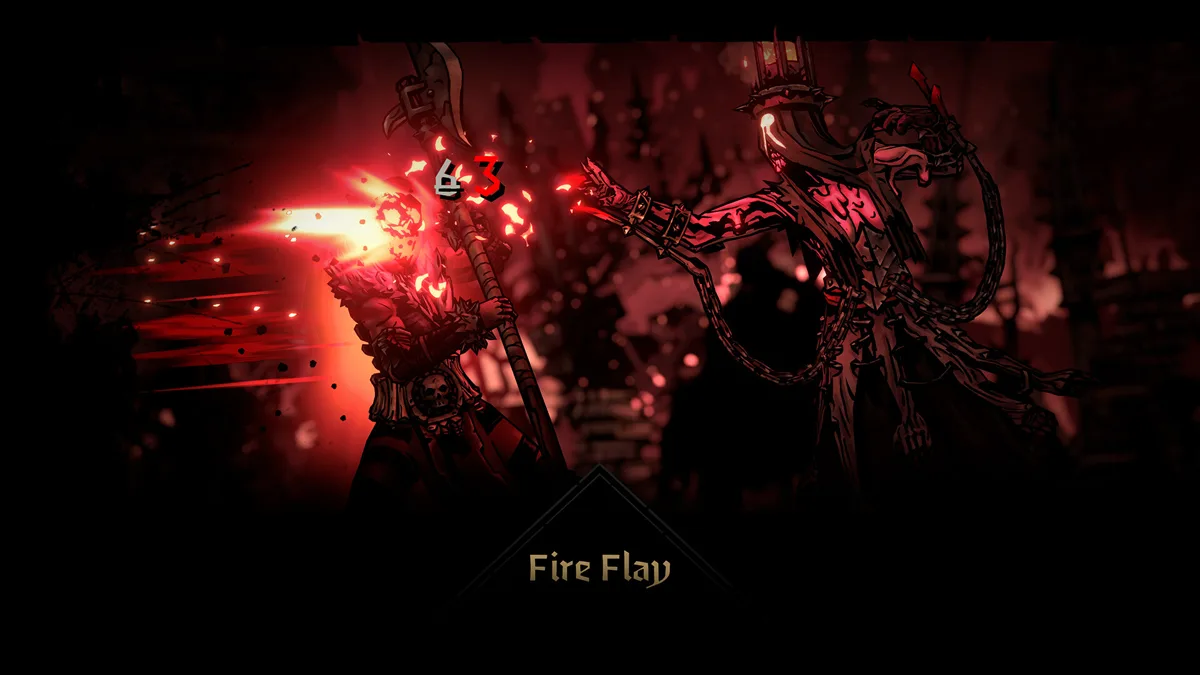
The original’s stress overflow drove heroes mad; the sequel binds the inner-demon concept to each hero’s interior state: every hero carries a tragic origin story, and those unhealed wounds are the seeds of their demons. As the road goes on, stress is not just a rising number but the externalization of each hero’s internal conflict — and the system’s answer stays consistent: face the origin story to unlock it, and only then does the hero’s full potential release.
This layer gives stress management narrative weight: what you soothe is not a number but a person chased by their past. A high-stress party never travels far; a hero with unexamined wounds never fights at full power. Mechanic and story are the same thing here.
The Operating Framework#
Treating stress as bookkeeping — income, expense, reserves — is the watershed between veterans and beginners:
- Estimate income — forecast the next leg’s stress sources: how many back-to-back fights? Through a hostile region?
- Control expense — end fights fast; kill fear sources first; price stress into event choices.
- Keep a reserve — always leave the party headroom for surprises; entering a region at full stress is naked.
- Catch the biggest earner — whoever accumulates stress fastest gets priority care — usually the front-line damage-taker and the decision-heavy healer.
- Watch the clock — the inn is the reset window; arrive with stress low enough that one pastime can recover it.
The Breakdown Chain#
Stress is a shadow line because its worsening path is indirect and fatal:
stress accumulates → mindset destabilizes → friction between teammates
→ relationships break → combat synergy inverts → expedition ends
Every link has an intervention window: while accumulating, vent; while destabilized, pastimes; during friction, repair relationships — but each link you let pass doubles the repair cost. The real discipline of stress management is earliness: handle it while it is still a number, not after it becomes behavior.
Beginner Stress Mistakes#
| Mistake | Reality | Correction |
|---|---|---|
| Ignore stress until maxed | Deterioration is a chain; late handling costs double | Build a stress-reserve habit |
| Pick pastimes randomly | Pastimes are scarce; allocate against gaps | Survey party stress before the inn |
| Heal heroes but not relationships | Relationship breaks usually root in stress | Repair both together |
| Read events by reward only | Stress cost hides behind payoff | Price stress into event decisions |
| Spare the fear-dealers | They output sustained mental damage | Make them the top-priority target |
Response Levels by Stress Water Level#
Turn management into executable actions with three bands:
| Band | Symptom | Response |
|---|---|---|
| Green | Party low, income balanced | Keep pace; mind stress pricing in events |
| Yellow | One or two climbing steadily | Kill fear sources in combat; schedule venting at the inn |
| Red | Many high, friction appearing | Cut route risk immediately; full repair at the inn |
Exact thresholds follow what the game displays — the habit that matters is calling the water level at every node, converting stress from shadow line to a tracked public line.
Division of Labor#
Four heroes’ stress is not managed equally; role division works better:
- Damage-taker — the largest stress inflow; first priority for inn and skill relief.
- Healer — the silent accumulator; never permanently last on the care list.
- Utility — usually the steadiest; can carry support-venting duty.
- Everyone — watching a teammate near death stresses the whole table; fast kills that reduce near-death scenes are party-wide venting.
Summary#
- Stress is the shadow health bar: sourced across combat, road and events, recovered mostly at inns.
- Stress and relationships are bound; breakdowns run the stress → friction → collapse chain.
- Inner demons and origin stories are the narrative core: unlocking stories releases potential.
- Manage stress as bookkeeping: estimate income, control expense, keep reserves, catch the biggest earner, watch the clock.
- Intervene early — handle it while it is a number, not after it becomes behavior.