Sekiro Story & World Explained#
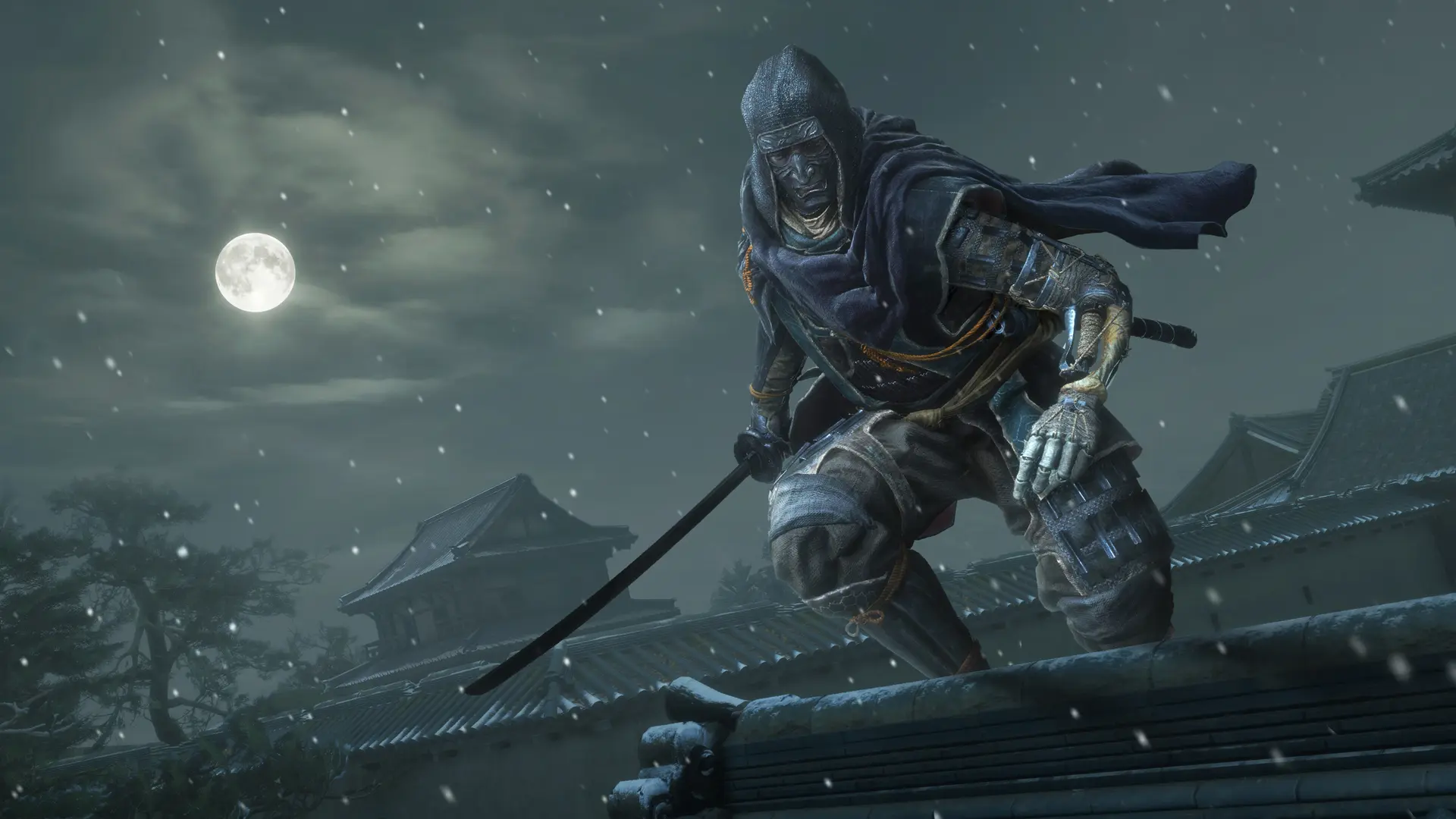
Sekiro is set in the land of Ashina in the dying years of Japan’s warring states era. On the surface it is a revenge story about a shinobi rescuing his resurrected young lord — but underneath, it is about what the Dragon’s Heritage, a gift of undeath, costs an era and everyone caught in it. This page maps the setting, the factions, the core cast, and the story logic behind the four endings — spoiler-light by design.
The Setting: A Fading Ashina#
| Element | Content | Story Role |
|---|---|---|
| Era | Late Sengoku; Ashina is in decline | Isshin Ashina built the country by “stealing” it in war; now that glory is fading |
| External threat | The Interior Ministry massing at the borders | The ministry covets Ashina and drives the main military pressure |
| The lord’s blood | Young lord Kuro carries the Dragon’s Heritage | That blood is Ashina’s hoped-for trump card — and the story’s core conflict |
| The revenge axis | A shinobi torn between loyalty and betrayal | Wolf is pulled endlessly between his lord and his father |
Ashina’s predicament is where every conflict starts: a weakening state, enemies closing in, and a ruling house gambling on the forbidden power of undeath — a power that flows from the Dragon’s Heritage.
The Dragon’s Heritage and Undeath#
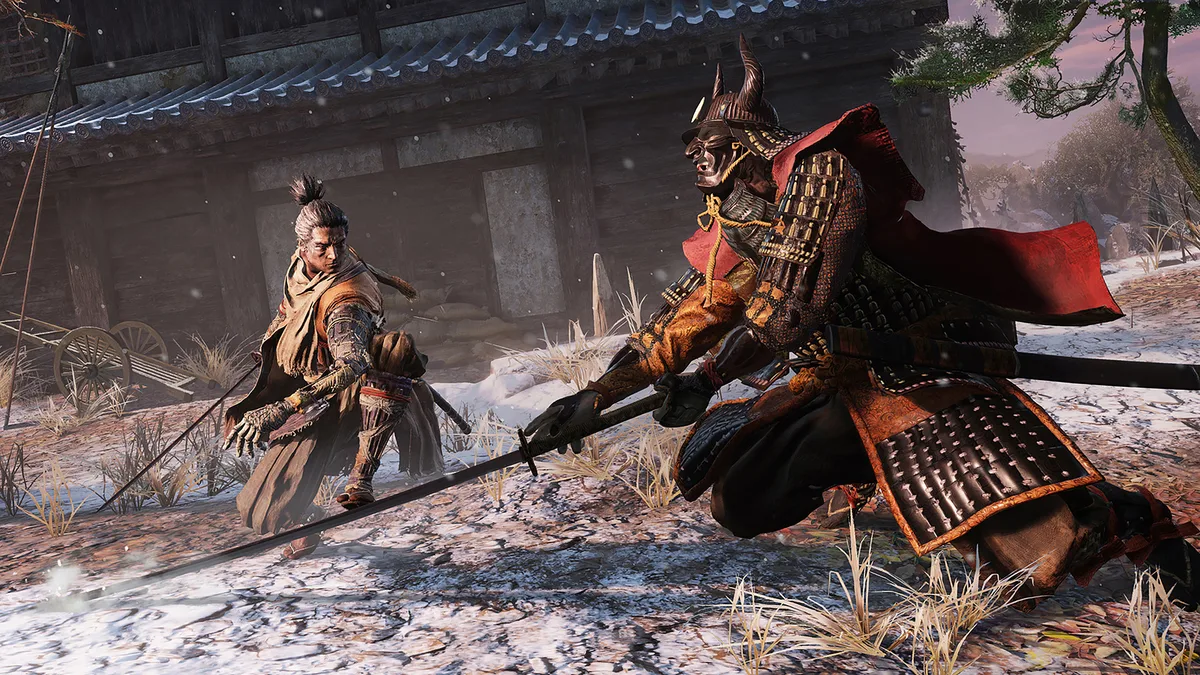
The Dragon’s Heritage is the keystone of the setting — nearly every character and every tragedy traces back to it.
| Concept | Explanation | Story Function |
|---|---|---|
| Dragon’s Heritage blood | An ancient blood in Kuro’s veins that can revive the dead | The prize every faction fights over |
| The pact | Those bound to the heir, like Wolf, can resurrect | Why Wolf dies and rises again — the mechanic’s lore source |
| Dragonrot | Each resurrection spreads a wasting cough to innocents nearby | Cured with a Dragon’s Blood Droplet; the game’s picture of undeath’s price |
| Undeath itself | The Heritage grants not eternal life but the inability to truly die | The undying often rot into resentment-wrapped monsters |
Understanding the link between the Heritage and Dragonrot is the key to the whole metaphor: immortality is never a blessing — it transfers suffering onto others.
The Factions#
Across the map you brush against factions whose goals all collide at the Dragon’s Heritage:
| Faction | Position | Figures | Relation to the Player |
|---|---|---|---|
| Ashina | Use the Heritage to survive the ministry | Isshin Ashina, Genichiro Ashina | The land where the main story unfolds |
| Interior Ministry | Swallow Ashina; seize the Heritage | Ministry generals | The main armed enemy force |
| Senpou Temple | Research Rejuvenation; craft an artificial Heritage | The Divine Child, monks | The stage for the Dragon’s Homecoming route |
| Fountainhead Palace | Home of the Divine Dragon — the Heritage’s source | The Divine Dragon, the Corrupted Monk | Where the power’s true origin is revealed |
| The schemers | Private ambition working in the shadows | Owl (Wolf’s foster father) | The greatest variable in Wolf’s fate |
| The Sculptor’s burden | An old shinobi devoured by rage and undeath | Emma, the Sculptor | Clues to Dragonrot and the Demon of Hatred |
The Core Cast#
| Character | Identity | Story Role |
|---|---|---|
| Wolf | The shinobi you play | Sworn to carry Kuro; the final choice is yours |
| Kuro, the Divine Heir | Ashina’s young lord, bearer of the Heritage | The focal point of every faction — and Wolf’s master |
| Owl (foster father) | Wolf’s adoptive father and mentor | The Shura route’s driving force; betrayal personified |
| Isshin Ashina | The sword saint who founded Ashina | Master of the Ashina style — and the final wall |
| Genichiro Ashina | Isshin’s grandson, Ashina’s military spearhead | Wants the Heritage to save the country; recurring duel |
| The Sculptor | The prosthetic artisan at the Dilapidated Temple, his arm inherited by Wolf | A former shinobi whose buried rage becomes the Demon of Hatred |
| Emma | The Sculptor’s ward, a physician | Treats Dragonrot and guides the Purification route |
| The Divine Child of Rejuvenation | Senpou’s artificial vessel | The core of the Dragon’s Homecoming route |
| Tengu of Ashina | A rumored rat-hunter in the castle | In truth Isshin in disguise — the hook to the Ashina style text |
Key Story Items#
The four endings fork, at bottom, on which ending items you carry — and who receives them before the finale:
| Item | Source | Story Thread |
|---|---|---|
| Mortal Blade | Obtained at Senpou Temple | The blade that severs the undying — key to Immortal Severance |
| Lotus of the Palace | Found in the Sunken Valley | One of the keys needed to reach the Divine Realm |
| Shelter Stone | Found in Ashina Depths | One of the keys needed to reach the Divine Realm |
| Aromatic Branch | Dropped by Great Shinobi - Owl | One of the keys needed to reach the Divine Realm |
| Everblossom | Taken from Owl (Father) in the Hirata Estate memory | The key to Purification |
| Frozen Tears | Granted by the Divine Child of Rejuvenation | The key to Dragon’s Homecoming |
| Serpent Viscera (Fresh and Dried) | Taken from the Great White Serpent | Consumed by the Divine Child on the cradling questline |
Where the Four Endings Lead#
Sekiro has no clean “good ending” — all four roads charge a price. Your choice at the branch point decides which cost you pay:
| Ending | Key Requirement | Story Direction | Cost and Theme |
|---|---|---|---|
| Immortal Severance | The Mortal Blade and the Divine Realm keys, then finish normally | Wolf severs the Dragon’s Heritage and ends the curse | The Heritage dies; Ashina loses its trump card with it |
| Purification | The Everblossom, delivered before the finale | Wolf trades his life so Kuro can live as a mortal | Self-sacrifice for the master’s new life — the saddest road |
| Dragon’s Homecoming | The Frozen Tears and the Divine Child’s full questline | The Divine Child carries Kuro’s soul back to the West | Looks the most complete — it returns undeath to its origin |
| Shura | Obey Owl at the branch point, abandoning Kuro | Wolf falls into the Shura path and cuts down friend and foe alike | The shortest and darkest road |
What Makes Shura Different#
The Shura route brings the story to its endpoint early, skipping the late regions entirely. It pushes “a shinobi’s loyalty” to its cruel extreme — Wolf stops guarding his lord and becomes a destroyer under the Heritage’s pull. Its theme lands where the others cannot: the Heritage does not only cause pain — it corrodes the person holding it.
The Tragedy of Undeath and Revenge#
Read the four endings side by side and the real subject appears — not a hero saving the world, but how a power over death drags people and eras into the abyss:
| Theme | In-Game Expression |
|---|---|
| The curse of undeath | Dragonrot, the Demon of Hatred, the Corrupted Monk — resentment made visible |
| A shinobi’s loyalty | Wolf serves Kuro while Owl and duty keep tearing at him |
| Choosing a fate | Four endings, four kinds of sacrifice — none of them free |
| An era’s sentence | The ministry-Ashina war implies undeath cannot save a dying country |
| Accumulated resentment | The Sculptor’s fall from shinobi to Demon of Hatred — rage that could never be vented |
How to Read the Story While Playing#
No plot spoilers here — just the signals worth watching as you advance:
- Watch every death and resurrection: Dragonrot and the NPCs’ reactions are the most direct meter of undeath’s price. If characters around you start coughing, a Dragon’s Blood Droplet can cure them.
- Rest at idols and talk to your companions: The Sculptor and Emma’s dialogue changes as the story moves; they are your best source of world detail.
- Weigh the questline items: Persimmon-adjacent gifts and charm items look mundane, but they decide which endings stay reachable.
- Pause before the branch point: Whether to obey Owl, and what to hand Kuro, sends you down different roads. Explore first, decide after.
- Distinguish Rejuvenation from the true Heritage: Senpou’s imitation versus the real Dragon’s Heritage is the lens that makes the Dragon’s Homecoming route click.
Regions and the Source of the Heritage#
| Region | Relation to the Lore |
|---|---|
| Ashina Castle | The country’s seat of power and the Heritage’s main battleground |
| Hirata Estate | The past shared by Wolf, Owl, and Kuro — the memory region |
| Senpou Temple | Where Rejuvenation is researched and an artificial Heritage is attempted |
| Ashina Depths | Home to undying beings like the Corrupted Monk — resentment pooled |
| Sunken Valley | The front line of ministry and Ashina skirmishing |
| Fountainhead Palace | The Divine Dragon’s seat — the true answer to where it all began |
Strung together, the regions show a world that layers downward: from a war story about a country, step by step, into the final question of where undeath came from. That depth is what separates Sekiro from an ordinary revenge story.
Related Pages#
- Sekiro All Endings Guide — exact trigger steps for all four endings
- Sekiro FAQ — Dragonrot, resurrection, and systems answered
- Sekiro Quests & NPCs — Emma, the Divine Child, and other questlines
- Sekiro: Shadows Die Twice Guide — the full guide hub