EA Sports FC 27 Career Mode Guide#
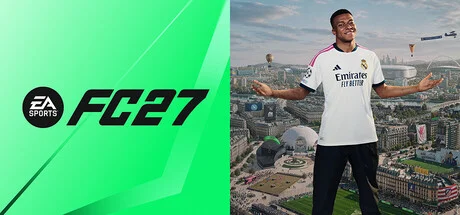
This page is compiled from EA’s official Career Mode deep dive published on July 31, 2026. It breaks down the three core overhauls in FC 27 Career Mode — Dynamic OVR, the rebuilt transfer system, and Creator Challenges — plus the Rivalries system, with strategy breakdowns for each.
System Overview: A Complete Mechanical Rebuild#
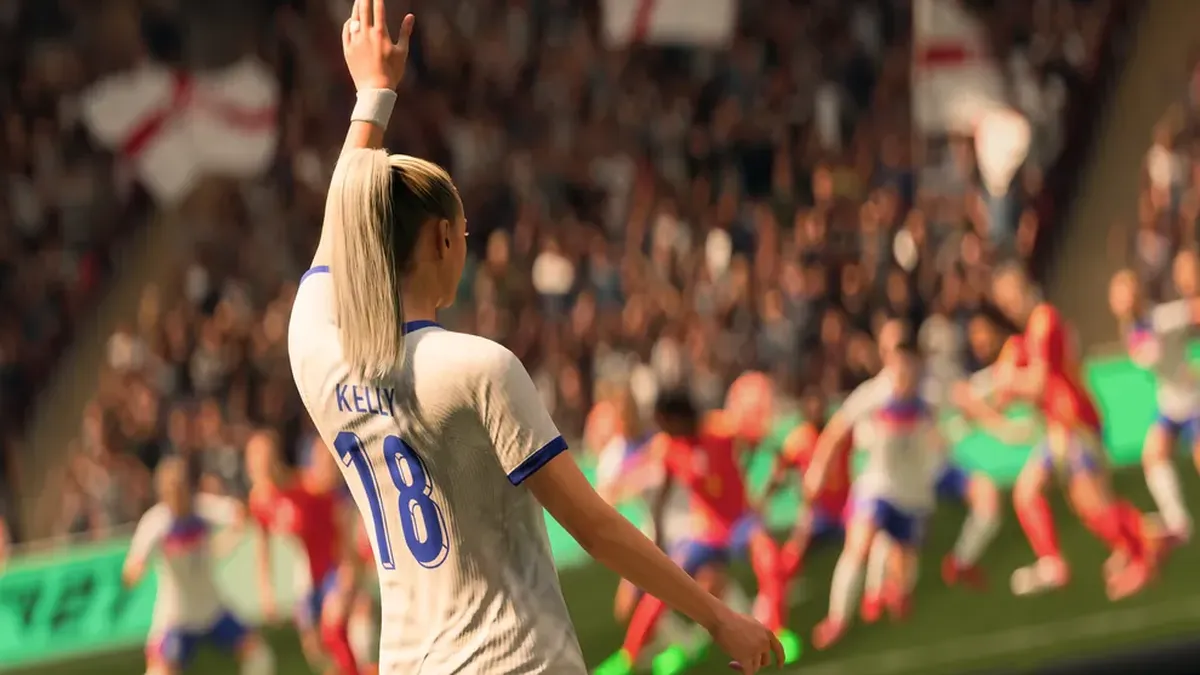
EA calls FC 27’s Career Mode “the biggest change to player ratings in the mode’s history.” In the past, a player’s Overall Rating was a fixed number set at the start of the season, changing only through long-term development or EA content updates. FC 27 throws out that logic entirely and turns player ratings into a dynamic number that lives across the whole season.
The Four System Pillars#
| System | Core Logic | Who It Affects |
|---|---|---|
| Dynamic OVR | Ratings rise and fall in real time with form, morale, and match fitness | Both Manager and Player Career |
| Rebuilt transfer system | xTV valuation model + staged negotiations + rich clauses | Manager Career |
| Creator Challenges | Build career scenarios in a web browser, share cross-platform | Manager Career |
| Rivalries | AI players in the same position set competing targets | Player Career |
Why EA Rebuilt It#
The official reasoning from the deep dive: after five or six seasons, the transfer market collapses — every top club bids 100 million for every player, and mid-table teams spend like they’ve struck oil. Prices drift so far from real-world football that the save itself loses meaning. So FC 27 rebuilds the system from its foundation: the valuation model.
Dynamic OVR: Ratings Go From Static to Live#
Three Core Pillars#
Dynamic OVR is driven by three independent pillars, each able to push a player’s rating up or down within a season:
| Pillar | How It Works | Key Factors |
|---|---|---|
| Form | Better performances raise the rating; slumps drag it down | Match ratings, consecutive starts, goals and assists |
| Morale | Now acts directly on the rating, no longer background flavor | Playing time, squad role, expectation management |
| Match Fitness | Penalizes unprepared players rather than rewarding prepared ones | Energy level, injury status, rotation management |
Form, Redesigned#
Form is no longer a fixed boost value. It now points toward a “target Dynamic OVR” determined by the player’s current form level and long-term potential. That means:
- Two players with identical performances but different potentials can receive different form boosts.
- A young player just breaking through can gain far more rating than a veteran near his ceiling.
- Form boosts concentrate on the key attributes for the player’s best position instead of spreading evenly.
Morale Now Acts Directly on Ratings#
Morale has been upgraded from a background system to a direct driver of Dynamic OVR. Playing time, squad role, and team expectations all feed into it; its volatility is also higher, because players are no longer expected to stay emotionally stable across a 60-match season. Every interaction can move morale, and strong performances feed back into it, creating a positive loop.
Match Fitness Replaces Training Plans#
FC 26’s Training Plan feature is removed, replaced by the new Match Fitness metric — only the Energy Recovery setting survives. Match Fitness combines energy level and injury status to describe how ready a player is at kickoff. The key differences:
- Match Fitness grants no boosts; it penalizes players in poor condition.
- You must actively maintain it through rotation, recovery, and injury management.
What It Does to Player Growth#
Dynamic OVR rewrites the growth logic. Underlying ability still matters, but it is no longer the whole story:
| Factor | Old Effect | FC 27 Effect |
|---|---|---|
| Underlying ability | Nearly the whole rating | Only the baseline |
| On-pitch performance | Accumulated slowly through training | Moves the rating in real time |
| Injuries | Temporary absence | Directly lowers rating and transfer value |
| Playing time | Affected development progress | Affects morale, which moves the rating |
| Squad competition | Almost no effect | Shapes playing time and morale |
| Coaching staff | Attribute boosts | Now unlock potential and fit info |
The Rebuilt Transfer System: Valuations and Staged Negotiations#
The xTV Valuation Model#
FC 27 partners with TransferRoom, the valuation platform used by real professional clubs, and builds a new model on top of its market-leading Expected Transfer Value (xTV) system. xTV factors in player ability, age, contract length, and current market conditions to estimate the real cost of signing a player.
- Player values are no longer fixed; they evolve dynamically across multiple seasons with the market.
- xTV works alongside the existing adjusted-value model, which layers on current form and league strength.
- A striker at a weak club in poor form loses value; a young playmaker breaking out in a top league gets marked up.
The Staged Negotiation Flow#
Transfers no longer close in a single conversation. They move through stages, with waits between them that vary deal by deal:
| Stage | Content | Your Moves |
|---|---|---|
| Enquiry | Test whether a player can be moved | Open a purchase, loan, free agent, or expiring-contract pursuit |
| Club negotiation | Settle the fee with the selling club | Bid, installments, player exchange, loan-back |
| Player negotiation | Agree personal terms | Wages, years, signing bonus, role |
| Closing | Medical and signature | Wait for the announcement — and risk a hijack |
The Drama Staged Negotiations Create#
Longer deal cycles produce situations that simply didn’t exist before:
- Bidding wars: multiple clubs chase one target and the price climbs.
- Hijacks: a rival jumps in late and steals the player you had agreed on.
- Last-minute renegotiation: with everything seemingly settled, the seller suddenly demands more.
- Parallel player talks: after two clubs agree, the player’s side negotiates independently, giving you one last window.
The Negotiation Toolkit#
The old 3D negotiation cutscenes are gone, replaced by a 2D interface with a tension meter that shows in real time how far each side is from a deal or a breakdown. The tools include:
| Tool | What It Does |
|---|---|
| Installments | Spread the fee across seasons |
| Loan-back | Buy the young player now, leave him to develop at his old club |
| Player exchange | Offset part of the fee with players |
| Buyback clause | The seller can repurchase at a set price |
| First refusal | Match any future offer |
| Sell-on clause | Take a percentage of the player’s next transfer |
| Performance bonuses | Pay more on hitting goals, awards, or appearance marks |
Contract Talks, Upgraded#
Contracts are tied to role expectations — you set the playing time a player expects during the negotiation. Base wages and performance bonuses counterbalance each other, and contracts now automatically include promotion raises (qualification for European competition or a higher division) and relegation pay cuts.
AI Club Behavior, Rewritten#
AI clubs no longer fixate on a single target. Instead they:
- Sign along a long-term club philosophy: academy-driven teams stockpile youngsters, win-now teams buy proven veterans.
- Maintain multiple shortlists in parallel and chase several targets at once.
- Judge attractiveness from league statistics (goals, assists, average rating, clean sheets) — a breakout season in a small league now reaches big clubs.
- Run weakness analysis: scan their squad for the weakest positions and reinforce several at once.
- Practice financial discipline: financially responsible clubs don’t burn their budget on day one.
- Weight tactical fit: they prefer players who match their manager’s style.
- Avoid transfer ping-pong: a newly transferred player won’t move again immediately.
Club Relationship System#
FC 27 rebuilds relationships between clubs:
| Relationship | Effect on Transfer Difficulty |
|---|---|
| Historic rivals | Extremely hard to trade directly |
| Same-city or regional derby rivals | Dramatically harder to close a deal |
| Same-tier title contenders | Moderately reduces willingness to trade directly |
| Same multi-club network | Strong preference for internal moves |
Delegation and Accessibility#
Every transfer feature includes a delegate option. If you don’t want to run staged negotiations and clause systems yourself, hand the whole process to the Director of Football: pick the target and let the AI close it.
Creator Challenges: Community Co-Creation for Manager Career#
What Creator Challenges Are#
Creator Challenges let FC 27 players build and share their own Manager Career scenarios for the first time. Through the new web-based Creator Portal, you can create challenges on a phone, tablet, or computer and publish them straight into FC 27.
The Creation Flow#
- Scan the QR code in Manager Career’s “My Challenges” tab to open the Creator Portal.
- Name the challenge, describe it, and set the club, objectives, and restrictions.
- Tune difficulty parameters: match difficulty, financial takeover, transfer negotiation realism, points deductions and punishments, board expectations, referee strictness, transfer restrictions, and more.
- Optionally disable some cup competitions to focus the calendar.
- Publish and generate a unique share code.
Sharing and Discovery#
| Piece | Detail |
|---|---|
| Share code | Every challenge gets a unique code that works across platforms |
| Cross-platform | Challenges can be shared and played between all platforms |
| Likes | Players who finish a challenge can like it; the best reach the Spotlight |
| Filters | Browse by league, team, or difficulty |
| Publish cap | Each player can keep at least 10 challenges live at once |
Inspiration Examples#
- Recreate a real giant hit with a points deduction and relegation battle, and lead them back to Europe.
- Set the ultimate goal: win a treble with Tottenham.
- Create an academy-only self-sufficiency challenge with signings banned.
- Simulate a club in financial crisis that must sell its stars to avoid the drop.
Player Career: Rivalries and Personality#
How Rivalries Work#
Player Career adds the Rivalries system: your performances are measured against other AI players. Fans assign you a rival and set performance-based targets. Rivals are picked from players in your position or a similar one, based on how you behave on the pitch and your current league honors.
Rivalry Target Types#
| Target Type | Example |
|---|---|
| Outperform the rival in upcoming matches | Who records more assists over the next 5 games |
| Reach a milestone first | Who scores the first hat-trick |
Rewards and Storytelling#
- Beating a rival awards Personality Points; draws pay out a partial amount.
- Rivalries spill onto social media in-game: fans debate your form and pick sides.
- Unique narrative direction: sometimes you’re the villain in someone else’s story, sometimes the hero.
How It All Feeds Back into Manager and Player Career#
Manager Career Implications#
| Strategic Lever | How to Adapt Under Dynamic OVR |
|---|---|
| Squad rotation | Match Fitness demands active rotation; starters can’t play every match |
| Transfer timing | Values swing with form — buy high-potential players at their low points |
| Wage structure | Performance-bonus clauses keep big wages controllable |
| Coaching staff | Coach quality determines how accurately potential is assessed, directly affecting recruitment |
| Youth investment | Young players have huge growth headroom and bigger form boosts |
Player Career Implications#
| Strategic Lever | How to Adapt Under Dynamic OVR |
|---|---|
| Match performances | Sustained standout form pushes your rating and value up fast |
| Injury risk | Overwork raises injury risk — balance your training load |
| Position adaptability | Playing out of position lowers both rating and morale |
| Media interactions | Your answers shape morale and public image |
| Transfer timing | Your value peaks after a standout season — that’s the window |
FC 27 Career Mode FAQ#
| Question | Answer |
|---|---|
| Does Dynamic OVR appear in FUT? | No — Dynamic OVR is Career Mode exclusive; FUT runs its own content update system |
| Do old saves get the new systems? | New systems target new saves; at launch, start a fresh save to experience the full mechanics |
| Can transfer negotiations be skipped? | Yes — every feature can be delegated to the Director of Football |
| Do xTV valuations change across seasons? | Yes — values shift dynamically across seasons with market, form, and league strength |
| Do Creator Challenges cost extra? | No — creating and playing are free; the Ultimate Edition includes extra creation slots |
| Do coaches still give attribute boosts? | No — coaches now unlock player potential and squad fit information |
This page was last updated on August 3, 2026, based on EA’s official Career Mode deep dive; the retail release shipped these systems on September 25, 2026.