Version Updates#
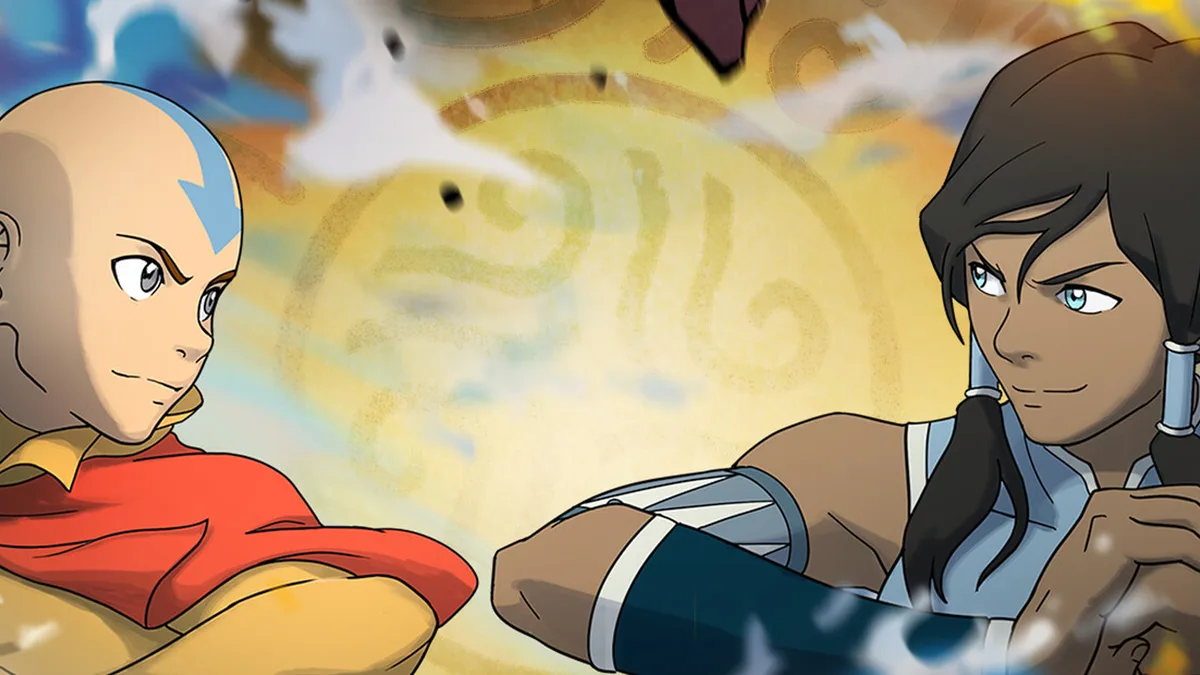
Avatar Legends launched worldwide on July 23, 2026, developed by Gameplay Group International and published by PM Studios, arriving simultaneously on four platforms: PC (Steam), PlayStation 5, Xbox Series X|S and Nintendo Switch 2. As a dual-campaign fighting game that shipped with both ranked play and a story campaign on day one, its update cadence revolves mainly around two lines: “character expansion” and “competitive balance.” Understanding that update system helps you judge when to buy in, which edition to buy, and which batch of characters your practice time should go into.
Launch Edition Lineup#
Three editions were offered on launch day, with the core differences concentrated on the Year 1 Character Pass and early access. If you plan to invest in Ranked long term, the price gap between the Deluxe Edition and the Standard Edition is usually already lower than the cost of buying the pass separately.
| Edition | Contents | Price |
|---|---|---|
| Standard Edition | Base game | $59.99 |
| Deluxe Edition | Base game + Year 1 Character Pass | $89.99 |
| Ultimate Edition | Base game + Year 1 Character Pass + Ultimate Cosmetics Pack + 3 days early access | $109.99 |
The key points for judging the differences between the three editions are as follows:
| Decision Scenario | Recommended Edition | Reason |
|---|---|---|
| You only want to try the story mode and are unsure about playing long term | Standard Edition | The campaign is complete as it stands, and you can still buy the pass separately if you upgrade later |
| You have settled on Ranked as your main mode | Deluxe Edition | The pass covers every new character of the season, cheaper than buying season by season |
| You care about character looks and want in on day one | Ultimate Edition | The extra Ultimate Cosmetics Pack and 3 days early access are purely cosmetic and time-based, with no effect on balance |
Year 1 Character Pass: The First Year’s Update Roadmap#
The launch roster contains 12 characters spanning both Avatar: The Last Airbender and The Legend of Korra, with continued expansion through DLC afterward. The Year 1 Character Pass is exactly the ticket covering all new characters added during the first year, and it is already included in the Deluxe and Ultimate Editions.
Two traits of this game’s update roadmap can be read off the structure of the pass:
| Trait | Description | What It Means for Players |
|---|---|---|
| Season-based character expansion | New characters arrive in batches by season rather than all at once | A season rollover is the best moment to re-evaluate your main |
| Cosmetics separated from characters | The Ultimate Cosmetics Pack is a pure cosmetic option; the pass covers playable characters only | Chasing character strength does not require the Ultimate Edition — only cosmetic collecting does |
| Early access window | The Ultimate Edition’s 3 days early access affects only character release timing, not numbers | The early Ranked environment is unsettled, so entering early is not necessarily an advantage |
Because which new characters a pass actually covers can differ from season to season, it is advisable to confirm the current season’s list through in-game announcements or official channels before buying, and then decide whether pre-purchasing later seasons is worth it.
Differences Between Platform Versions#
The four platform versions each make trade-offs in visuals, frame rate, and controller feedback. Rollback netcode is universal across all platforms, so the difference in online quality for Ranked is small — it is the local visuals and controller feel that are worth weighing by platform.
| Feature | PC (Steam) | PlayStation 5 | Xbox Series X|S | Nintendo Switch 2 |
|---|---|---|---|---|
| Resolution | Adjustable | 4K | 4K | 1440p |
| Frame rate | 60 / 120fps | 60fps | 60fps | 60fps |
| Load times | Depends on your drive | Extremely fast | Extremely fast | Fast |
| Cross-play | Supported | Supported | Supported | Supported |
| Controller features | Customizable | Haptic feedback | Haptic feedback | HD Rumble |
For players who care most about match stability, here are a few trade-off recommendations:
| Scenario | Platform Lean | Basis for the Judgment |
|---|---|---|
| Chasing the highest frame rate and adjustable visuals | PC | Can be pushed to 120fps, making input timing feel more responsive when trading |
| Preferring a big console screen and haptic feedback | PS5 / Xbox | Stable 60fps, and controller rumble reflects hits and the Awakening state |
| Portability and local multiplayer first | Switch 2 | Holds 60fps even at 1440p, good for carrying to matches |
The Season and Tier Structure of Ranked#
Ranked is open simultaneously on all platforms, uses rollback netcode, and supports cross-play. The tier system runs from low to high across 10 tier levels. The season structure determines the pace at which players climb the ladder and how rank resets are judged.
| Season Point | Common State | What Players Should Prepare |
|---|---|---|
| Early season | No reference for tier distribution; veterans and newcomers mixed together | First lock in your main combos in practice mode, and avoid testing moves in Ranked |
| Mid-season | The environment gradually settles and strong characters emerge | Evaluate counter relationships and consider adding a counter-pick character |
| Late season | The final rank push, with the highest match quality | Manage your condition and cut input errors caused by fatigue |
| Season reset | Ranks drop and players are re-seeded | Re-adapt to the environment rather than dropping your main over a rank change |
When competitive versions rotate, the following mechanic points are usually the hardest hit by balance adjustments, and they are worth verifying after every patch:
| Mechanic Point | Role in Balance | How to Observe It |
|---|---|---|
| Qi Lock system | Decides whether you can suppress the opponent’s bending resource | Check whether the Qi cost of lock moves and the Qi recovery of the locked side have changed |
| Awakening Mode | Decides how strong the low-health comeback window is | Check whether the trigger conditions (Qi gauge and health thresholds) and duration have changed |
| Qi exhaustion state | Decides the counterattack opportunity after being locked | Check the exhaustion duration and how much Qi is needed to recover out of it |
| Elemental counter bonus | Decides how strong the counter side’s answer is | Check whether the damage bonus across elemental matchups is unified or adjusted individually |
Criteria for Judging a Patch’s Impact on Your Current Character#
After a patch, rather than rushing to swap characters, judge in the following order whether the change actually affects you:
- Look at the Qi resource first: offense and defense in this game depend heavily on the Qi gauge, and the cost of Qi Lock, the trigger threshold of Awakening, and the Qi cost of bending are the items most likely to reshape a gameplan — one change there tends to drag the entire offensive tempo along with it.
- Then look at elemental counters: if the element your character mainly uses happens to be countered by the element that is strong in the current version, your real match win rate will swing noticeably even if the character itself was not nerfed.
- Finally look at the tier environment: the characters you meet most often in Ranked are the top-tier picks. When one character’s pick rate spikes suddenly, it usually means one of that character’s mechanics was buffed or a counter chain was changed, not simply that player preference drifted.
Version-Related Issues That Can Appear Online#
Under rollback netcode, most match problems come down to the network environment rather than the game itself. When something goes wrong, troubleshoot from your own setup outward to the shared one:
| Symptom | Direction of the Judgment | Suggested Handling |
|---|---|---|
| Matches stutter or teleport | Local network fluctuation or the cross-play link | Switch to a wired connection first and avoid wireless interference |
| Ranked queue times are too long | The number of players online in the current window, or a region issue | Queue during peak hours, or adjust your matchmaking region |
| Cross-play latency runs high | The opponent is on a different platform’s network link | First test latency with a friend on the same platform to confirm whether it is a shared issue |
| Local inputs occasionally drop | Controller connection or drivers | Test with a wired controller to rule out wireless input delay |