Phantom Blade Zero Combat Guide: Weapons, Phantom Edges, and Boss Play#
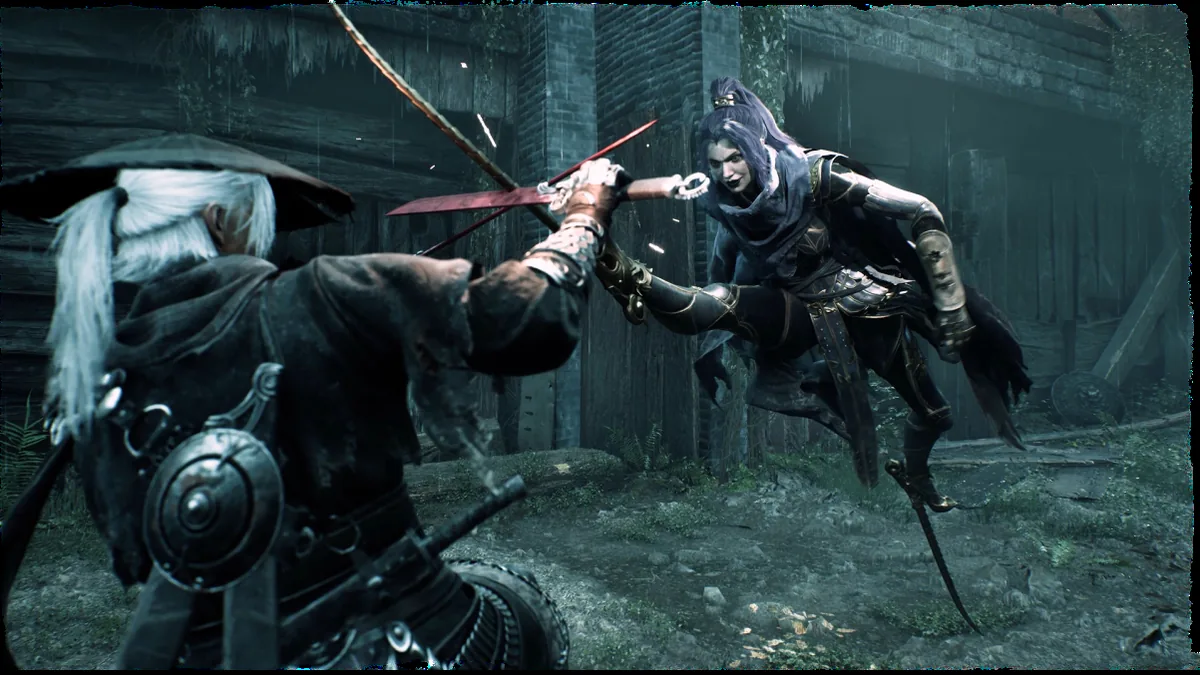
Phantom Blade Zero’s combat is the reason most players wishlisted it, and it is also the thing most often mis-described before release. This guide explains the system as the developers and hands-on coverage describe it: a fast, offensive action game that borrows the spectacle of souls games but rejects their defensive economy.
The three pillars: swappable weapons (30+), remixable weapon skills (Phantom Edges, 20+), and an elite-kill loop where defeating powerful enemies can hand you their weapons and signature techniques.
Why “Not a Soulslike” Is a Design Statement#
The comparison to Black Myth: Wukong and Sekiro is natural, but the rhythm is deliberately different.
| Dimension | Souls-style baseline | Phantom Blade Zero |
|---|---|---|
| Tempo | Slow, probing, punish-based | Fast, pressure-based |
| Defense | Stamina and block economy | Movement and offensive tradeups |
| Combos | Restrained, committed | Free-form, extendable |
| Resources | Estus-style consumption loops | Aggression-funded skill uptime |
| Elite kills | Runs gate progress | Runs are also loot: weapons and techniques |
The practical consequence: playing defensively is not “safe” here, it is a losing strategy. The systems reward output, and the weapon build page goes deeper on how to convert that into damage.
The Weapon Layer#
Over 30 main weapons exist, each carrying its own technique set, and you can swap between them mid-fight. Weapon categories in the verified coverage include swift swords, heavy sabres, polearms, dual-wield sets, and fantasy “Kung-Fu Punk” devices.
| Category | Style | When to swap in |
|---|---|---|
| Swift swords | Fast pokes and pivots | Closing distance, crowd pressure |
| Heavy sabres | Slow, high damage | Guard breaks and punish windows |
| Polearms | Reach control | Spacing versus aggressive elites |
| Dual weapons | High hit rate | Combo extension and juggle setups |
Swapping is not cosmetic. The standard loop is: light weapon to initiate, heavy weapon to finish, polearm when an elite keeps rushing your face. Treat swaps as your third dodge.
The Phantom Edges Layer#
Phantom Edges are weapon-bound skills — over 20 of them — that you mix across your loadout rather than accept as fixed packages. Think of them as a skill budget you distribute, not a skill tree you walk.
| Mix direction | What it does | Best paired with |
|---|---|---|
| Burst | Short window, heavy damage | Heavy sabres, boss phases |
| Control | Slows, freezes, or pins | Polearms vs. rushdown elites |
| Mobility | Dash-cancels and repositioning | Dual weapons, open arenas |
| Ranged | Poke at distance | Phase transitions in boss fights |
A high-level fight usually reads as: normal attacks to start, Phantom Edges to spike, a weapon swap to reset spacing, then repeat. The naming note: Phantom Edges is the English term the studio used; the official Chinese localization may differ, and community translations like “Phantom Blade Arts” are fan renderings, not canon.
The Weapon-Seal Loop (Taking Enemy Techniques)#
Defeating elite enemies can drop their weapon and signature technique. This turns every tough fight into inventory: the game constantly asks whether you are strong enough to bank the reward.
| Loop step | Player action | Payoff |
|---|---|---|
| Spot | Find elites worth fighting | Targeted build parts |
| Fight | Spend skill, not just consumables | Mastery of the pattern |
| Take | Claim weapon and technique | New loadout options |
| Remix | Slot into your Phantom Edges budget | A style nobody else runs |
This is also how the 66-day story framing bites: challenging elites early is a real gamble between power now and time lost. There is no published guide to “safe” elite order, and we will not invent one.
Boss Play and NG+ Phases#
Bosses are the test of the whole system, and S-GAME confirmed that New Game Plus bosses unlock additional fight phases — not just stat inflation. The first clear is about reading; the second clear is about performing.
| Boss phase | What it demands | Mistake to avoid |
|---|---|---|
| Early | Pattern recognition | Panic-dodging cooldowns early |
| Mid | Swap timing | Staying on one weapon |
| Late | Edge uptime | Hoarding skills for a “perfect” moment |
| NG+ extra | Full kit management | Bringing last-run habits unchanged |
The lion dance boss from the August 2026 State of Play demo is still the clearest sample of the aesthetic: drum-driven rhythm, feints, and pressure — closer to a dance-off than a grind check.
Practice Drills for Your First Ten Hours#
- One weapon, no skills: learn how light attacks chain and where your cancel windows are.
- Swap drill: force a weapon change every time you dodge, until swapping feels free.
- Edge drill: run a single Phantom Edge until its cast timing is reflex, then add a second.
- Elite hunt: pick the elite you keep dying to and kill it three times in a row without changing anything but your spacing.
Quick Answers#
Do weapons level up separately? Not in the verified information we hold; treat progression as player skill first, loadout second.
Is there a stamina bar? Unconfirmed. The design direction points to weaker stamina punishment and more aggression-funded resources; we do not state it as fact.
Which weapon is best? No verified tier list exists at the time of writing. Directional build logic is in weapon styles and builds.
Can I respec builds freely? Not confirmed in verified sources; check the in-game menu on your save.
Are difficulty options available? Unconfirmed. The default experience, per hands-on, is tuned for both casual and hardcore-leaning players via the free-form combo system.
Related#
- Phantom Blade Zero hub — release facts, editions, timeline
- PC requirements explained — can your machine run it
- Best weapons and builds — turning the system into a loadout
- Sekiro guide — the posture-based contrast case