2026 World Cup Final Review#
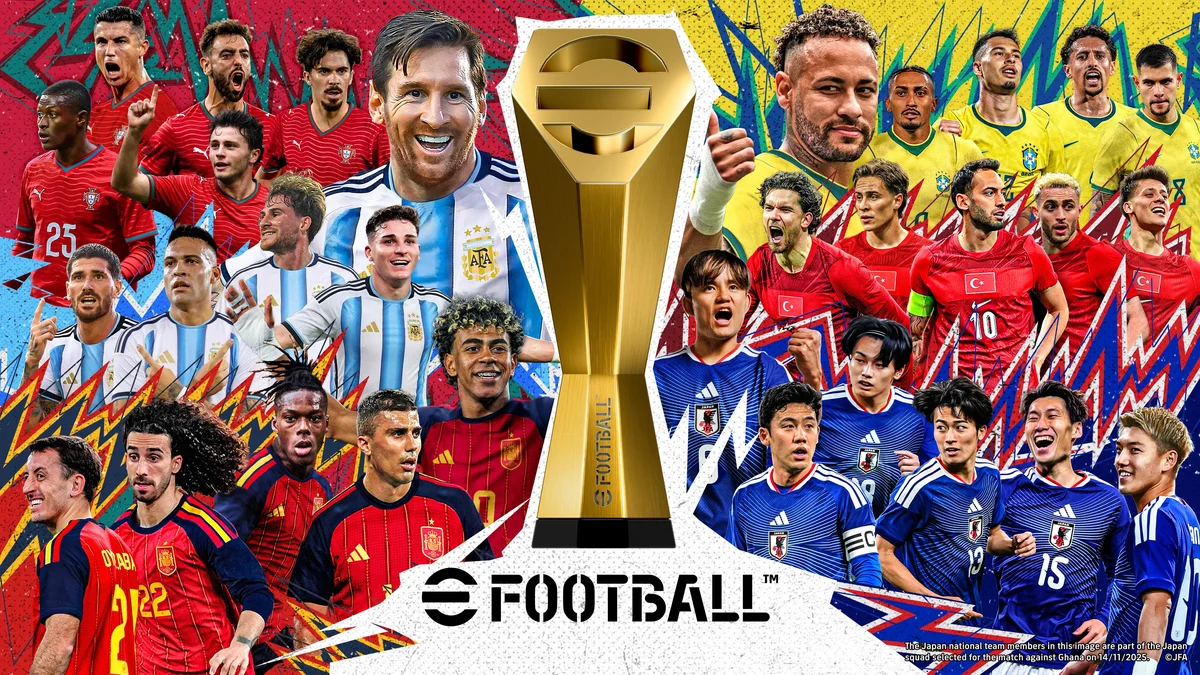
The 2026 FIFA World Cup Final in Review#
After more than a month of competition, the 2026 World Cup across the United States, Canada and Mexico came to a close on July 19, 2026 local time at MetLife Stadium in East Rutherford, New Jersey. In the final, Spain beat Argentina 1-0 on the game’s only goal to lift the World Cup Trophy. It was both a tournament full of talking points and the first World Cup staged under FIFA’s expanded format.
The Final Match Report#
The final pitted two sides with multiple titles against each other. Argentina had charged through the knockout rounds, extending the strong tournament form of recent years, while Spain had reached the end with intricate possession play and collective coordination. In the end, Spain seized its chance to score the only goal of the match, held the lead to the whistle, and locked in a 1-0 win — a second World Cup crown.
| Final info | Details |
|---|---|
| Date | July 19, 2026 |
| Venue | MetLife Stadium (East Rutherford, New Jersey) |
| Match | Spain 1-0 Argentina |
This final was the closing act of the tournament schedule. For Argentina, falling short of back-to-back titles, the resilience and team spirit shown across the tournament still earned fans’ respect; for Spain, the trophy is the reward for a long commitment to technical football. The collision between the two sides also reaffirmed how much detail and composure weigh in a major final — Spain converted its chance into a goal and defended the advantage until the final whistle.
Looking back at the match, Argentina held most of the possession and kept creating danger, trying to pry open Spain’s defense through wide play and individual quality; Spain maintained the high press and quick local counter-pressing it had shown all tournament, blunted the attacks with collective coordination, and waited for the lethal opening. After the goal, the match entered the rhythm Spain masters best — draining the opponent’s patience with possession and sealing the passing lanes with tight positioning. Argentina pushed numbers forward late but never broke through Spain’s organized defense. The 1-0 scoreline looked tight, but behind it was a full contest of detail and execution between two championship-caliber sides.
The Format Features of This Tournament#
This World Cup was the first staged under FIFA’s expanded format. Compared with previous editions, the field grew from thirty-two teams to forty-eight, with total matches reaching one hundred and four. The tournament opened on June 11, 2026 and ended with the final on July 19, spanning more than a month.
| Tournament element | This edition |
|---|---|
| Teams | 48 |
| Total matches | 104 |
| Opening day | June 11, 2026 |
| Final day | July 19, 2026 |
| Final venue | MetLife Stadium |
With expansion, more teams got their chance on the World Cup stage, and the group-stage and knockout dynamics shifted accordingly. The longer path to the title means every team must handle a heavier match load, which raises the bar for squad depth and physical reserves.
Stage-by-Stage Review#
From the June 11 opener, this World Cup presented a different face. In the group stage, several traditional powers did not cruise through as expected, and some lower-ranked sides gave the seeded teams real trouble with stubborn defending and efficient counters; meanwhile, a number of debutants and long-absent nations delivered memorable performances, keeping the group stage full of suspense.
In the knockout rounds, any single mistake could end a run, and the matches grew more cautious. Multiple ties went unresolved in regulation, decided in extra time or on penalties, with goalkeeping and the psychological battle in shootouts becoming the focus of this stage. As the bracket advanced, the survivors were mature, balanced elite sides, and their tactical duels grew ever richer — control the ball, or sit deep and counter; every choice shaped the run of play.
After the semifinals, the final matchup was set, and the world’s attention turned to MetLife Stadium in New Jersey. Spain beat Argentina 1-0, freezing into place a football memory belonging to the summer of 2026.
What Made This World Cup Unique#
Three-Nation Joint Hosting#
This World Cup was jointly hosted by the United States, Canada and Mexico — a first in tournament history. Matches stretched across multiple cities on the North American continent, from the North American west coast to Mexico City, with different countries’ football cultures and fan atmospheres injecting a distinctive energy. It is also the first World Cup staged by three nations together.
The New Format After Expansion#
Forty-eight teams and a new grouping and advancement structure brought an all-new knockout layout. Unlike the old straight path to a round of sixteen, this edition inserted a longer knockout phase after the group stage, keeping every single-elimination match suspenseful. In the groups, several traditional powers met stiff resistance, while non-seeded sides turned in eye-catching performances, showing off the World Cup’s “no weak teams” charm.
As the tournament progressed, the teams reaching the later knockout rounds were all elite, and the tactical contest sharpened — the trade-offs between possession, counters and defensive organization became the deciding factor.
What the Title Run Means#
This trophy is Spain’s return to the summit of world football. Built on its youth academy system, the side committed to build-up from the back, layer by layer, with a technical style and two-way players across multiple positions. Winning through a bracket full of strong opponents to the final and taking the title affirms that technical path, and reflects the team’s stability and big-tournament experience.
For Argentina, the defending champion reached the very last match of a volatile expanded tournament, showing the depth and resilience of a title holder. Though the trophy slipped away, their performances were still commendable. The final therefore carried an extra dramatic tension between “the new king crowned” and “the old guard standing firm” — a classic footnote to the summer of 2026.
Football Game Guide Navigation#
The World Cup may be over, but the passion of the pitch can live on in games. This site maintains complete guides for several popular football games so you can keep chasing national-team glory on virtual pitches:
- EA Sports FC 26 guide — the series’ mainline sequel, with full national-team competitions and Ultimate Team
- World Cup mode guide — national-team competition play and the road to the title
- Club Career mode — a system breakdown of role switching and long-term management
- eFootball 2026 guide — the free-to-play football sim, which added national-team licenses and World Cup themed content during this tournament
- Football Manager 2026 guide — deep football management sim, ideal for players who enjoy coaching a national team to a title
- UFL guide — the free-to-play football game built on fair play, emphasizing realistic physics and no stat-card selling
- EA Sports FC 27 guide — preview of the series’ next entry, covering the major transfer overhaul and old-versus-new mode comparisons
If you prefer harder-core tactical simulation, FM2026 and its formation design and targeted tactical setups let every manager player find a coaching style of their own; players who favor online competition can extend the World Cup’s competitive atmosphere in EA Sports FC 26 ranked play. eFootball 2026’s national-team licenses and event content added during the World Cup give free-to-play fans their own taste of leading a nation; and EA’s next entry FC 27, with its World Cup national-team mode and brand-new transfer system, reserves fresh content space for long-term players.
How the World Cup’s End Affects Players#
The tournament’s close also brings a series of changes to football game content:
| Impact | Notes |
|---|---|
| World Cup themed content winds down | Games are progressively ending limited-time events and themed player cards from the tournament window |
| Transfer market heats up | The real transfer window opens, and in-game player data updates in step |
| New players pour in | Fans drawn in by the World Cup start trying football games |
| Event themes carry on | Upcoming continental tournaments and national-team content become the new content focus |
For players chasing realism, the national-team licenses and event modes launched during the World Cup are worth grabbing; for long-term managers, the swings of the season transfer market are often a prime window to adjust squads and seize opportunities.
Upcoming Football Events and Game Cadence#
With the World Cup over, football’s attention shifts to what comes next. New seasons of the major European leagues are underway, and national-team events such as the Asian Cup and the Women’s World Cup will arrive in due course. For football game players, these real-world events usually mean updated national-team data and new limited-time events — a good moment to plan squads ahead.
At the same time, this World Cup leaves a question worth pondering: as the expanded format increases participation, how do you preserve the tournament’s suspense and quality? That debate will continue through future World Cup cycles, and football games will keep carrying these real-world rule changes and narratives onto players’ screens through version after version.
Whichever football game you prefer, keeping up with real-world football helps you stay a step ahead on the virtual pitch. The stories on the pitch continue, and this site will keep updating complete football game guides so that no moment of post-World Cup football goes to waste.