Stronghold 4 Demo Goes Live on Steam#
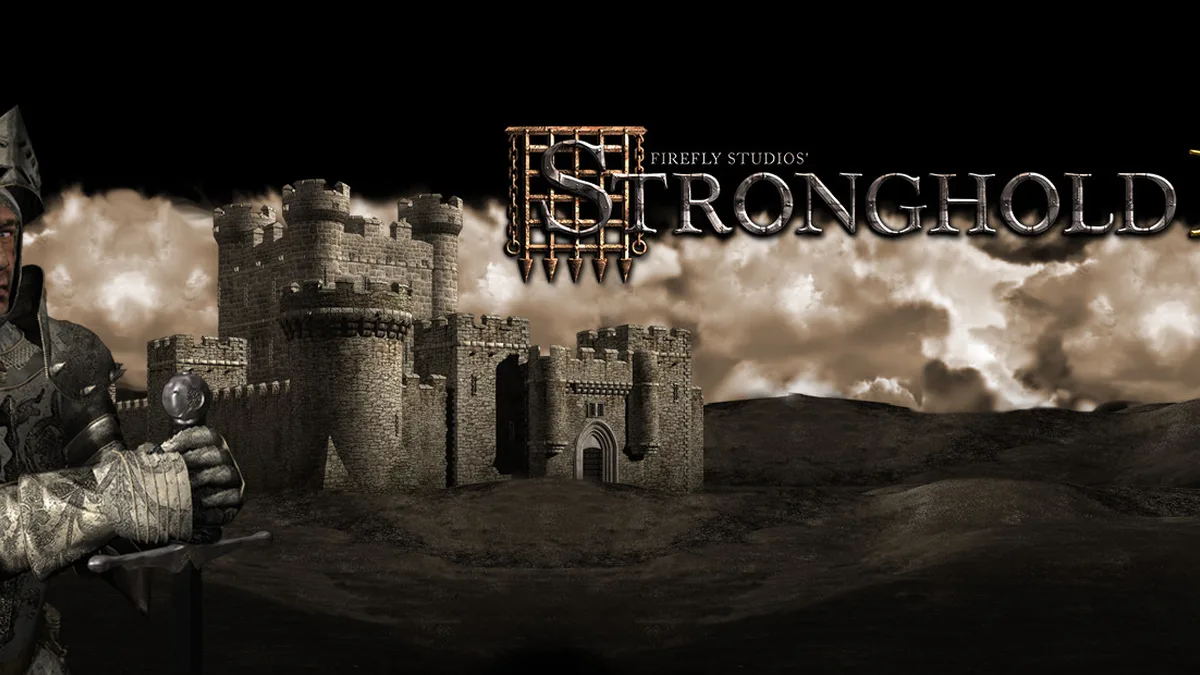
On June 23, 2026, developer Firefly Studios used the Steam Next Fest window to release a public demo of Stronghold 4. This is the first new entry in the classic castle simulation series in years, and series veterans can use it to get an early feel for castle building and siege warfare under the new engine.
For longtime fans of the series, seeing the return arrive as a numbered sequel is itself reason enough to pay attention. Stronghold has always been built on running a medieval castle: in peacetime you plan farmland, workshops, and trade routes to feed your people, and when war breaks out you direct archers and spearmen to hold the walls against wave after wave of siege. That alternating loop of “peacetime building and wartime defense” is the series’ clearest identity. Seen from that angle, the demo’s biggest value is letting players confirm whether this new entry still carries the core that made the series famous.
What the Demo Opens Up#
Per the official notes, the demo does not open up all of the game’s content; it selects a few high-frequency scenarios for players to try. The core of Stronghold 4 — castle building, resource management, economic circulation, and real-time attack and defense — is all there to get a handle on in the demo.
The demo is mainly built around three kinds of content:
| Content type | What it covers | What it means for players |
|---|---|---|
| Tutorial and story missions | Guided missions that teach the interface and basic flow | Players less familiar with the series can get up to speed fast |
| Skirmish | Fighting an AI opponent on a battlefield map | A taste of the full economic loop and the rhythm of siege and defense |
| Free build | A sandbox-style building space | Players who focus on castle layout and decoration can plan to their hearts’ content |
For players touching the series for the first time, the demo is a good entry window; for series veterans, this demo plays more like a field inspection of the new engine and new systems — a check on whether this direction still carries the series’ soul.
It is worth noting that by setting the demo around tutorials, skirmish, and free building, the officials clearly want players touching the game’s three most core dimensions from the very start: follow the guidance to understand the flow, feel the attack and defense in opposition, and experiment with layouts in the sandbox. You don’t have to worry about being crushed by huge systems all at once — you can choose your own entry point by preference. That also means the demo’s playtime is not fixed: if you want to dig deep, you can spend plenty of hours fussing over a castle in free build; if you just want a quick feel, you can finish the tutorials and stop there. For players hesitating over whether to buy, this flexible demo format is clearly the friendlier one.
Why the Demo Landed at This Moment#
Steam Next Fest is Steam’s official event that spotlights upcoming releases in one place, and developers typically use this window to drop demos, live gameplay streams, and developer interviews to build wishlists and gather player feedback. Firefly Studios placing the Stronghold 4 demo at this moment is easy to read — it is the most concentrated exposure opportunity in front of the players most likely to care about this game.
For the developer, the demo is not just promotion; it is also a channel for collecting opinions. Castle simulation gameplay involves dense numbers and mechanical details, and real hands-on player feedback often exposes problems the development team cannot easily find inside the office. Improvement suggestions raised by the community during the demo window may well directly shape the tuning direction before the full release ships.
For players, the meaning of this moment is just as clear: before the game officially launches, you can verify with your own hands whether it is the one you want to play, and then decide whether to keep following it and support it with a pre-order.
Let me also clarify the relationship between the demo and the full version, to head off misunderstanding. A demo is usually a stage-slice of a game at a certain point in development; it spotlights the work’s core selling points, but it does not represent everything the full version will contain. The full version at launch typically adds a more complete campaign flow, more playable content, and relatively finished optimization. So don’t rush to a final verdict on the demo’s rough edges; likewise, keep an eye on whether the pleasant surprises in the demo actually carry over to the full release. Treating the demo as a reference for whether the broad direction suits your taste is its most practical use.
New Systems Worth Watching in the Demo#
From the demo content, Stronghold 4 makes quite a few new attempts on top of the series’ existing framework. The most visible change comes from the visuals — this entry runs on an all-new 3D engine, and the rendering of castles, terrain, and lighting clearly differs from the series’ older entries; standing on your walls and overlooking the whole estate feels far grander. Of course, the visual upgrade is only the surface layer; what really defines this game’s character is the adjustment at the gameplay level. Here are the system traits getting the most attention in the demo stage, worth focusing on while you play:
Weather System#
Weather changes directly move the direction of resources and battles. For example, snowfall stops crops from growing, and rainstorms cut down the archers’ effective range. That means players can no longer treat resource management and battlefield scheduling as fixed, unchanging routines — weather has to be folded into daily planning, and to a degree it adds variables to every run’s production rhythm and defensive strategy. Players who want to maximize output will need to learn to rush the harvest and the works when the weather turns fair, and shift focus to defensive preparation when foul weather arrives.
Prestige System#
This mechanic draws on the prestige value design of the series’ earlier entries. Players accumulate prestige by completing challenges, running the economy, holding the castle, and similar actions, and prestige in turn shapes the unlock pace of advanced units and buildings. It pulls the player’s long-term goals away from simply piling up resources and back onto a more layered growth track.
Building and Decoration#
The demo shows a grid-based building assist that keeps building placement more orderly; at the same time, the castle decoration and appearance customization options are richer, and players who enjoy curating their castle’s look will have plenty of room to work. On top of that, building includes upgrading houses to hold more population, tying population scale more tightly to castle development.
New Units and the Economy Chain#
New units like Longbowmen and Conscripts appeared in the demo, broadening the tactical options on both sides of the siege; on the economy side, new resource chains have been introduced, making the production flow more granular than in the series’ previous entries. Players who love digging into system depth can use the demo to get familiar with these settings and be ready for the full release.
The Problems the Demo Exposed and Community Feedback#
A demo’s value is not only in showing strengths — it is also the window where problems surface in bulk. From community feedback, the game still has a few areas needing polish at the demo stage.
- Performance tuning: Some players report the current build puts some pressure on hardware at higher graphics settings, and hope the full version optimizes further.
- Camera controls: The current camera’s freedom is limited; some players want more flexible rotation controls, plus the classic flat top-down view for checking layouts from directly overhead during the building phase.
- AI behavior: Some players find the AI opponents’ decision logic still has room to improve.
- Pacing: Some players feel the current pacing runs too fast and want an option to adjust game speed.
Not all of this feedback will be implemented, but it reflects the community’s expectations for the game’s quality. How the development team responds and adjusts after the demo ends is worth following closely.
What Players Can Do After the Demo#
The demo’s meaning is to let you judge whether this game is worth waiting for. If you played the demo and confirmed you like this direction, the next step is to follow the official channels for the full version’s progress, release date, and system requirements; if you are still hesitating, then treat the demo as a free trial opportunity — check whether castle building on the new engine feels the way you hoped, and that is a practical approach too.
One reminder: the demo’s content does not equal the final product. The development team may tune numbers, refine the interface, and add content based on feedback — the things that bothered you in the demo may well look different in the full release.
How Different Players Should Read This Demo#
The demo’s reference value differs for different player groups, so let’s take them one at a time.
| Player type | What to look at in the demo | What to think once you have the result |
|---|---|---|
| Series veterans | New engine showing, whether classic gameplay survives | It is about confirming the series’ flavor — if it feels right, keep following |
| Players new to the series | Learning curve, whether the tutorials are friendly | Use it to judge whether you can get into it, then decide whether to dig deeper |
| Building-and-economy players | Free-build layout freedom and decoration richness | What matters is whether the joy of building and planning is rich enough |
| Combat-first players | Battlefield pacing, unit mix, siege experience | What matters is whether the real-time attack and defense has enough tension |
If you belong to more than one of these camps, start the demo from the side you care about most, then sample the other layers along the way. The demo’s value lies precisely in letting every kind of player find the answer to the part they care about most before the full release. As for whether to ultimately buy, you can naturally decide at leisure once the full version’s information is more complete.
Our Stronghold Guides So Far#
If the demo sparked your interest in the Stronghold series, you can refer to the series guides we already have. Since the series was born, the main gameplay lines of its entries have stayed broadly the same — run a castle, feed your people, line up defenses against enemies — so whether you are a veteran looking to refresh or a newcomer wanting to understand castle management from the ground up, the earlier games’ guides hold real reference value.
| Guide | What it covers |
|---|---|
| Complete Stronghold Guide | Beginner basics, economy, buildings, units, defensive layouts, and campaign walkthroughs |
| Complete Stronghold Crusader Guide | Breakdowns of Arab units, European units, heroes, and skirmish play |
These two guides cover the series’ original game and its hugely popular Crusader expansion, and even players just arriving can get moving quickly with them. We will follow up with Stronghold 4 full-release content once the launch information firms up.
For now, this demo has already completed its most important task — giving players a clear verdict on Stronghold 4 before the official release. For everything this series has been, what players truly care about was never how gorgeous the graphics look, but that grounded feeling of running a castle, watching your people live in peace, and then holding it through the fires of war. The demo gives that expectation something solid to stand on; as for how far it ultimately goes, we will have to see the answer the full version delivers.