Final Fantasy VII Revelation Launches April 8, 2027, Simultaneously on All Platforms#
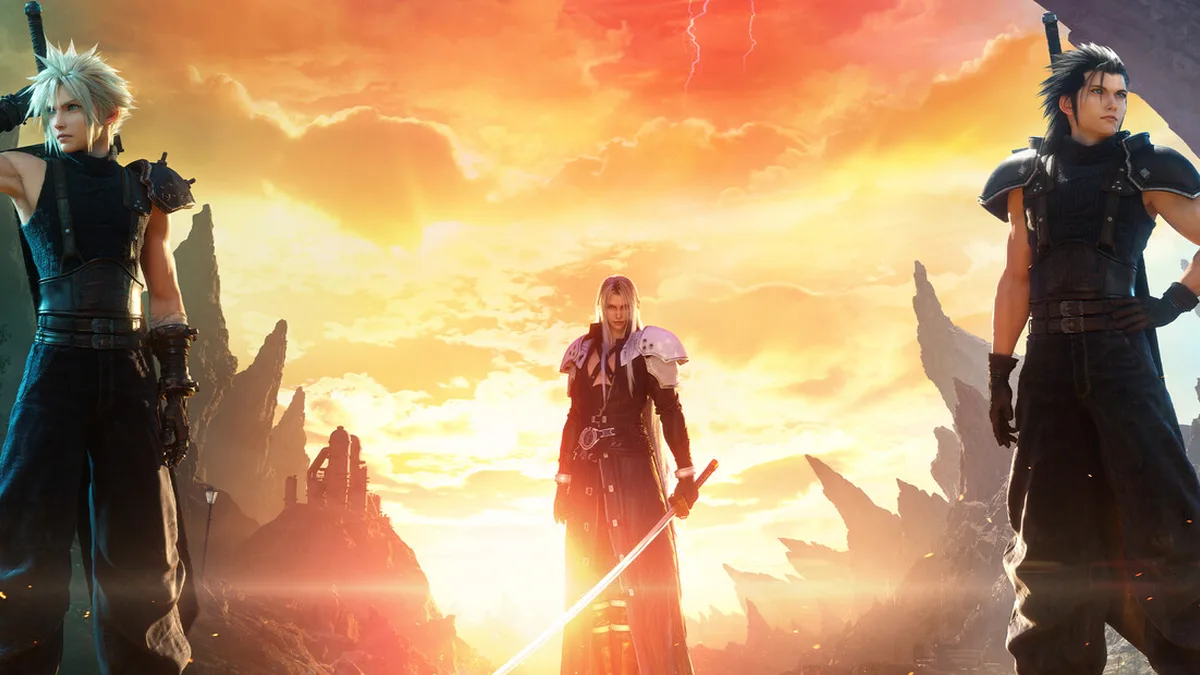
A remake journey spanning more than a decade has finally reached its end. Hi everyone, Longzhiri here. When the official announcement landed a few days ago, the editorial chat window nearly blew up — Final Fantasy VII Revelation (Final Fantasy VII Revelation) had locked its release date. Today, let’s start from that announced window and unpack what this finale actually means.
Locked for April 8, 2027: A Release Date With a Target on Its Back#
The most important date goes on the table first. Square Enix has confirmed that Final Fantasy VII Revelation launches on April 8, 2027. On the name: this site had long been using the English title “Requiem,” but the official English title is Revelation. Consider that corrected — we go with the official naming from here on.
April is no soft landing, with heavy hitters crowding the calendar on either side, yet Revelation clearly has the confidence to face that competition head-on and squeeze into the slot. As the trilogy’s closing chapter, what it carries stopped being “just another new release” long ago — it carries the collective feeling that “this long-running remake is finally being brought to a close.”
For players used to waiting and seeing, the confirmation itself reassures more than any flashy marketing.
It means development has reached the stage where a date can be promised — the publisher is willing to pin the day down instead of keeping the vague “in development” sign hanging. That alone makes this announcement feel considerably more solid.
Director Naoki Hamaguchi has repeatedly framed the game in “years of devoted work” terms when discussing it. That isn’t stage talk — from planning to delivery, this remake plan has run an extremely long timeline, and it is finally about to land in players’ hands.
All Platforms at Once: No More Exclusive-First Hesitation#
The platform list alone shows this is an all-platform strategy in the truest sense. Square Enix has confirmed Revelation will launch simultaneously on PS5, Xbox, PC, and Switch 2 — none of the old “exclusive first, port later” routine.
| Platform | Notes |
|---|---|
| PlayStation 5 | The series’ home base and the baseline hardware platform |
| Xbox Series X/S | Launching simultaneously; Xbox players get the finale too |
| PC | Simultaneous multi-store launch; no more waiting out the gap |
| Switch 2 | The pleasant surprise of the lineup; covers handheld play |
For PC players, this line matters most of all. Back then, Final Fantasy VII Rebirth made PC players wait out a visible gap before its PC release; this finale goes multi-store day one instead of leaving PC users standing outside.
It’s a reassuring pill for PC players — and indirect proof that Square Enix is confident it has prepared this all-platform lineup at scale.
Seen along the series’ development, the remake trilogy’s platform coverage has widened step by step. The first remake planted its feet on PlayStation before gradually filling out onto more platforms.
With the finale, the publisher finally chose to blanket the mainstream platforms in one stroke, letting players of every camp walk into this story on the same day.
Director Naoki Hamaguchi: Treating the Finale as a Complete Accounting#
As director, Naoki Hamaguchi has been one of the guiding forces of this remake plan. What he keeps stressing in public remarks is his insistence on the finale’s completeness — not merely finishing the story, but concentrating the worldview, character feeling, and presentation standard the series has accumulated over years into this final chapter.
That attitude has a traceable lineage in the series’ temperament. From Final Fantasy VII Remake’s greatly expanded telling of its first city, Midgar, to Rebirth pushing the stage from a sealed metropolis out into vast wilderness, each entry of the trilogy has reimagined the world of “Final Fantasy VII” in its own way. For the finale, the official signal is this: there will be no compromise in the closing.
For veterans who have followed the whole way, the weight of that needs no explaining. What we have witnessed is not merely three console generations turning over, but a team spending over a decade taking a classic apart, recasting it, and fitting it back together piece by piece.
The closing chapter naturally owes us that feeling of completeness in full.
One aside: Hamaguchi’s stated priority has always been “completing this story” first, rather than simply stacking technical metrics. That trade-off is precisely what makes the finale most worthy of trust — it knows clearly what exactly it is delivering to players.
From Remake to Rebirth: How the Trilogy Got Here#
To truly weigh the finale’s heft, you have to put all three games back on one line. The site has built complete guides for the series’ first two entries that can help you string this thread together:
- Final Fantasy VII Remake: a narrative focused on the city of Midgar. It uses a greatly stretched runtime to unroll every corner of the Shinra metropolis, laying the foundation of chapter one for the ambition that followed. For a complete teardown of that first-city arc, head to our Final Fantasy VII Remake guide — walkthrough through boss strategies all included.
- Final Fantasy VII Rebirth: from the sealed city out into the vast wilds. The open-world framework, the full synergy combat system, and the side content and collection systems players still debate were all established in this entry. The relevant material is systematically organized in our Final Fantasy VII Rebirth guide.
- Final Fantasy VII Revelation: the finale. It builds further on the two predecessors, gathering the entire series’ emotion and worldview to a single point.
The upward climb is obvious from this line — it is not copying the original, but remaking a world called “Final Fantasy VII” using each console generation’s capabilities. Remake told Midgar thoroughly; Rebirth stretched the world wide; the finale’s job is to gather all of it, land it, and hand in a complete answer.
Precisely because the first two entries laid the narrative and gameplay framework so solidly, this closing chapter’s positioning is clear: it doesn’t need to build anything from scratch. Its job is to close every story thread, one by one, and complete every character’s emotional arc on the foundation already standing. That is exactly what old players most look forward to — what we want to see is not another tech showcase, but a story solemnly given its ending.
The “complete accounting” Naoki Hamaguchi speaks of means exactly this — once the story itself has come this far, the remaining question is not “whether to close” but “how to close it beautifully.”
TGS Demo Buzz: Tifa’s New Outfit Everywhere#
What truly pushed the hype to the ceiling was the on-site demo at the Tokyo Game Show (TGS). The Final Fantasy VII Revelation booth became one of the longest queues on the entire show floor.
The most viral part of the demo wasn’t the combat but Tifa’s new outfit. After the demo footage surfaced, the new outfit design quickly flooded every player community. It sparked that much discussion because it visibly extends the series’ established design language while clearly breaking from it — keeping the brisk, efficient lines of Tifa as a martial artist, while giving the materials and cut an expression exclusive to this long-running finale.
From an art standpoint, Tifa’s new outfit is really one corner of the finale’s overall art direction: finer facial capture and more refined cloth simulation, carrying the visual weight a series finale deserves. On the new generation of hardware, those details are no longer a compromise by the dev team — they have become a capability showcase players can genuinely “see.”
The other big draw in the demo area was the synergy combat system carried straight down the line from Final Fantasy VII Rebirth. From on-site feedback, this combat runs faster in the finale, its handling noticeably closer to an action game, while the magic and summon sequences remained the parts most likely to detonate applause.
What It Means for Players: How We Wait Out This Send-Off#
As a veteran who played through it all, my feelings about this finale are honestly complicated. On one hand, getting to witness this series’ true send-off in the fullest sense is something worth being moved by; on the other, it reminds us that when we talk about Final Fantasy VII today, we are no longer discussing just one story, but a whole world polished and condensed over years into the memory of an era.
April 8, 2027 — I have that date marked. When the day comes, remember to clear your schedule and prepare the platform you want to play on.
If you’d like to replay the first two entries before launch, feel free to dig into our existing guides. Remake and Rebirth walkthroughs, boss strategies, and collectibles are all ready on the site — a perfect way to refresh the old while waiting for the new.
One more reminder: this is a four-platform simultaneous launch. If you plan to switch platforms for a fresh run, planning ahead which machine will hold your progress will spare you a lot of trouble. For cross-platform save arrangements, keep an eye on further official word before launch.
At bottom, a closing chapter like this only comes once. On April 8, 2027, when that day arrives, those of us who followed the series the whole way will finally watch this story to its ending with our own eyes.
This is the finale — and the closing act that Longzhiri gets to witness alongside you. Friends, until then — see you in Midgar.
Let’s bank that anticipation now and cash it in come spring 2027.
— Longzhiri, Editor-in-Chief, NTGame