Splatoon Raiders Officially Launches#
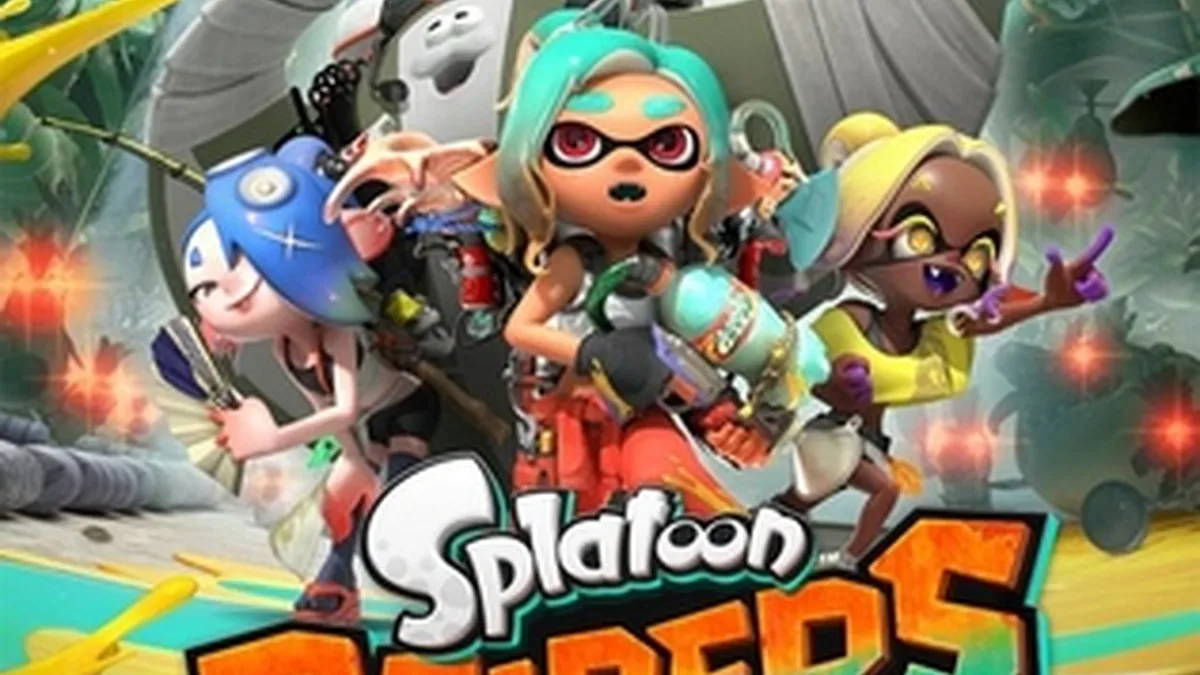
Splatoon Raiders, the new entry in Nintendo’s Splatoon series, is officially out, becoming the first brand-new series chapter on Switch 2 for this shoot-and-ink franchise. While keeping the series’ signature turf-battle play, it shifts the bulk of its weight toward co-op raid gameplay, delivering an experience distinct from the series’ usual PvP-first formula.
Since the original, the Splatoon series has stood apart in the shooter space with its unique “cover the ground in ink” mechanic, and the two entries that followed steadily built a stable competitive player base and a mature gameplay framework. This game doesn’t simply extend the winning path of its predecessors; it chooses to push “teamwork” to center stage, replacing the competitive-confrontation core of past content with a raid mode — the biggest focal point of the discussion it has sparked.
For many players, seeing Splatoon ship a co-op-leaning entry like this came as something of a surprise. After all, the series has always been known for fast-paced turf battles and ranked competition, while this one reads more like an answer sheet that carries the series’ weapons and ink mechanics into co-op stages. Whether that pivot succeeded, media and players don’t quite see eye to eye.
Launch Overview#
Launching as a Switch 2 exclusive, this is the first time the series has placed a full new entry on a new console platform. On launch day, official companion guide content went live in sync, covering everything from beginner basics and the class system to raid dungeons, so players could get started right away.
Around the game’s positioning, the official messaging before and after launch stressed the following:
| Item | Official line |
|---|---|
| Platform exclusivity | The game is a Switch 2 exclusive |
| Content focus | Built around co-op play, with raid mode as the headline selling point |
| Class system | Four distinct role classes introduced to reinforce team coordination |
| Visuals | Higher resolution and frame rate on the new hardware’s performance |
Review Scores#
Post-launch, critical scores sit in the “excellent but not elite” band overall, with the widespread praise concentrated on the fun of the co-op gameplay and the depth of the class division.
One note: review scores reflect only part of the picture of stage design and gameplay, and cannot fully stand in for the actual player experience. For a game sold on cooperation, the real fun often shows up only after you find a steady team and groove your coordination together — that is the part of the experience beyond the scores.
| Outlet | Score |
|---|---|
| IGN | 9/10 |
| Nintendo Life | 9/10 |
| Metacritic (average) | about 80–81 |
| Metacritic (PC version) | 82 |
IGN and Nintendo Life both awarded 9/10, crediting the game’s innovation in co-op raids and the class system. Against those high marks, though, Metacritic’s aggregated average lands in the roughly 80–81 band, with the PC version slightly higher at about 82. All told, this is a “widely praised, but short of the series’ peak reputation” title.
Notably, the scores here show a distinct “high marks coexisting with a middling average” pattern: individual outlets going near-perfect reflects reviewers’ recognition of the game’s bold swing at co-op play, while the aggregate sitting in the 80 band says it isn’t airtight across every dimension. That “opinionated, bright-spot-heavy, but not quite on top” profile maps neatly onto the trade-offs that came with such a bold pivot.
Raid Mode: The Center of Gravity#
Raid mode is this entry’s most important change, turning the Splatoon series’ former PvP-centered play toward four-player co-op PvE against giant bosses. Players need to form a squad, divide duties under limiting conditions, and use each class’s traits to handle the bosses’ attack mechanics.
That design draws a clear line between this entry and its predecessors: rather than simply competing on inking skill, raid mode emphasizes team composition, positioning and skill synergy. For veterans used to the series’ PvP play, it’s a direction that takes re-adapting — and it gives the game far higher co-op replay value.
Class System and Team Roles#
Alongside raid mode, the game introduces a class system, letting players choose between roles such as offense, support, defense and recon. Each class has its own strengths, and a sensible class mix directly affects how easy a raid is to clear.
With the class system in place, the co-op experience stresses “division of labor” over “solo carry” more than any previous series entry. For players who love team coordination, that’s a real plus; for those who prefer pure personal competition, it may take some time to adjust to a rhythm that leans on teammates.
What It Means for Players#
The launch means different trade-offs for different kinds of players:
- Series veterans: the PvP-to-PvE shift in focus feels fresh, but you’ll also need to accept a changed combat rhythm.
- Co-op game fans: four-player raids with class roles make this a solid online pick.
- Competitive players: the series’ classic turf battle mode is still here, but the overall center of gravity is no longer competitive confrontation.
- Newcomers: as a Switch 2 exclusive, getting in presupposes owning the console.
The Big Talking Points#
Keeping the series’ classic gameplay DNA while boldly shifting its center of gravity is the main reason this entry has sparked such broad discussion. For players who love the Splatoon world and its ink elements, it offers a co-op PvE experience the series has rarely provided; players who value competitive confrontation should note that this is not a continuation of the old PvP-first play.
As the series’ pathfinder on Switch 2, its market performance will also, to some degree, influence platform decisions for future series entries. Whatever the final verdict, it has already opened a new direction for Splatoon.
What Players Are Watching After Launch#
With the game now live, the community’s hottest discussions center on how this entry differs from traditional Splatoon. First is the co-op raid difficulty curve — how to clear runs when the four of you aren’t fully clicking is a concern for many players; second is the division-of-labor change the class system brings, with the real-world value of each role still something players have to figure out for themselves.
Besides that, because the game is a Switch 2 exclusive, plenty of players who previously only touched the series on older hardware face the very real gate of “do you own the console”. That has given the launch a hefty hardware-tethered character from the very start.
For players already on Switch 2, whether you can find a regular squad to queue up with often decides whether the long haul sticks. The good news: beyond the raid play, the game keeps the series’ classic turf battle mode, so players who don’t want to team up — or can’t find teammates just yet — can always hop on and run a match.
In short, whether you’re here mainly for co-op or for versus, the game offers content aimed your way; post-launch community feedback has kept circling those two playstyles, and for the near term that remains the community’s biggest topic.
Our Guides on the Site#
We’ve built a complete guide hub around Splatoon Raiders, offering reference content from beginner to advanced for players of every need. Here’s a quick map of what each area focuses on:
| Guide area | What it covers |
|---|---|
| Beginner basics | Basic controls and interface tour |
| Class system | Each class’s role and how to split duties |
| Raid guides | Dungeon strategies and teamwork ideas |
| Multiplayer modes | How each mode plays |
| Weapon system | Weapon types and usage advice |
| Collectibles | Hidden items and collection routes |
| Story background | Worldview and story introduction |
| Advanced techniques | Expert positioning and coordination know-how |
All of the above can be found in the Splatoon Raiders hub on the site, helping players get up to speed fast after launch. The hub’s complete sub-page system goes beyond the areas listed above — story background, character profiles, challenge modes, clear-through flows, advanced techniques and more — so players can go from first steps to mastery step by step.
For players who just picked the game up and came for the raid mode, the advice is to start with the class system to understand team roles, then plan your squad using the raid guides — that way you’ll get used to this entry’s distinct, series-differentiating gameplay rhythm much faster.