Black Myth: Zhong Kui 15-Minute Gameplay Demo Breakdown#
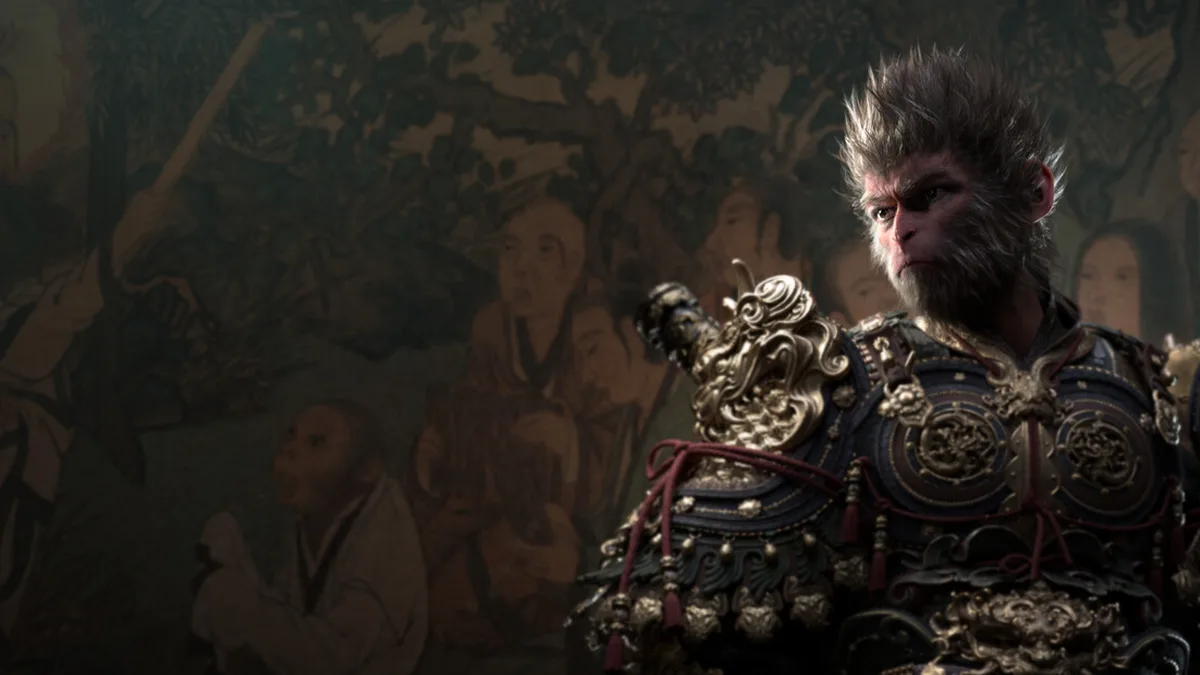
Hey everyone, Long Zhuiri here. On August 20, Game Science released a 15-minute gameplay demo of Black Myth: Zhong Kui. For players waiting on this new title, it is the first gameplay showing handed in by Game Science’s second project since Black Myth: Wukong. The demo runs along two threads — combat and narrative — hinting at the new game’s action framework and thematic direction.
This article is based solely on the 15 minutes of official gameplay footage released so far; visual details, numbers and anything that follows are subject to official announcements, and we will not pass along unverified material.
I. What the Demo Released#
1.1 Demo Basics#
| Dimension | Details |
|---|---|
| Release date | August 20 |
| Length | About 15 minutes |
| Content | Protagonist combat + story segments |
| Focus | Combat system, zhiguai settings, narrative tone |
| Reading angle | Gameplay and narrative, two tracks |
These 15 minutes split into “combat” and “story” blocks, which suggests Game Science is doing two things at once with this generation of product: maintaining the series’ action pedigree while strengthening a narrative expression that was previously kept restrained.
1.2 Why August 20#
For Game Science, August 20 is a date with symbolic weight. Feng Ji’s past release rhythm and the marketing beats of Black Myth: Wukong have turned the day into a habitual “waiting for news” date in many players’ minds. Dropping the 15-minute gameplay demo on this date is effectively an answer to those who waited, and it extends the “August 20” association built up by previous years.
One thing needs stressing: the demo date itself is certain, but no release-date figure of any kind has been announced yet. Everything below touching on launch dates, pricing or platform lists is subject to future official statements.
II. The Protagonist’s Combat System, Explained#
2.1 Zhong Kui’s Combat Archetype#
In traditional mythology, Zhong Kui is the classic image of the “scholar of Zhongnan who catches ghosts and subdues demons”; demon-quelling is baked into the character and maps directly onto the combat design. The combat skeleton visible in the demo runs along staff techniques, talismans and special stances.
| Combat module | Visible elements | Role |
|---|---|---|
| Melee core | Staff-type implement combos | Main damage output |
| Talisman system | Ranged cast patterns | Control and openers |
| Special stances | Form-switching akin to the previous game | Burst tool |
| Executions | Demon-subduing capture sequences | Finisher payoff |
2.2 Continuity and Difference vs. Black Myth: Wukong#
| Dimension | Black Myth: Wukong | Zhong Kui |
|---|---|---|
| Core weapon | Golden Cudgel (Jingubang) | Staff-type implements |
| Supernatural system | Transformation branches | Talisman command |
| Stance meter | Charge mechanic | Same family of framework |
| Execution style | Cudgel finishers | Sealing-and-subduing style |
The underlying layer clearly reuses the same mature staff-combat framework for reproduction and redevelopment, with differentiation concentrated in how the “spells and talismans” layer is expressed. That both recycles hard-won development experience and keeps the two games visibly distinct.
2.3 Reading the Combat Pace#
| Observation | Showing | Reading |
|---|---|---|
| Attack speed | Medium-weight, deliberate | Emphasizes strings and timing |
| Dodge windows | Clear feedback in the demo | The action chops are intact |
| Combo payoff | High-multiplier moves on display | Encourages advanced play |
| Enemy scale | Large, boss-grade silhouettes | Spectacle turned all the way up |
On the surface, Zhong Kui keeps the rhythm-and-timing-driven feel of Black Myth: Wukong, merely redistributing cost and reward onto two new mechanics: talismans and stance switching.
III. Observations on Story Direction#
3.1 From “After the Journey” to “Between the Courts of Hell”#
If Black Myth: Wukong was about the Destined One walking the Journey to the West a second time, Zhong Kui’s narrative soil clearly sits in a different mythological system: the underworld, its judges, the ghoul runners, the order of the netherworld courts. Judging by the tone of the demo footage, the story most likely starts from a world conflict of “the netherworld in disorder, the living world disturbed.”
| Narrative element | Visible clues | Direction |
|---|---|---|
| Protagonist identity | Demon-quelling official, judge-like figure | Occupational storytelling |
| Stage | Chinese zhiguai settings | City gods, ghost markets, the underworld |
| Quest texture | Hunt-and-apprehend missions | Mission-driven exploration |
| Villain faction | A swarm-of-demons motif | Chaotic villain design |
3.2 From a Lone Hero’s Tale to an Officer’s Case Files#
This is a narrative shift for Game Science: the previous game’s Destined One embodied the hero narrative of “an individual saves the world,” while Zhong Kui’s status as an official supernatural magistrate naturally carries a mission loop of “take the case, verify, apprehend.” The story structure moves closer to episodic zhiguai fiction, with chapters and missions likely stitched together more neatly than before.
| Narrative mode | Black Myth: Wukong | Zhong Kui |
|---|---|---|
| Protagonist motive | Individual destiny | Professional duty |
| Mission shape | Linear encounters | Case intake |
| Stage changes | Chapter scenes | Zhiguai vignettes |
| Emotional core | Obsession and mission | Order and justice |
All of the above is reasonable inference from a 15-minute demo; the actual story direction awaits full official disclosure.
IV. Art and Presentation#
4.1 Three Reads on the Visuals#
| Dimension | Read |
|---|---|
| Art style | Continuation of the zhiguai-realist line |
| Scene density | A natural advantage of the netherworld theme |
| Lighting tone | Dark palette, rich shadow detail |
The Zhong Kui theme hands Game Science a naturally differentiated palette: the underworld’s deep blues, the teal glimmer of ghost fire, the gold-and-red of talismans. Compared with the saturated colors of the Journey to the West setting, this scheme carries a stronger “night-scene staging” advantage. From the demo, the team has clearly polished a great deal of shadow detail.
4.2 Echoes With Our Black Myth: Wukong Material#
For readers who know our site, the full Black Myth: Wukong guide hub already holds extensive coverage from combat to gear to boss fights. Zhong Kui gives this art vocabulary a new vehicle — if you liked the hub-style coverage of the last game, this one will most likely follow the same playbook.
V. Platforms and Release Outlook#
5.1 Platforms Still Unclear#
| Factor | Status |
|---|---|
| Launch platforms | Unclear; still an open question |
| Release date | Not announced |
| Price | Not announced |
| Content completeness | At the gameplay-demo stage |
The studio has confirmed neither a launch platform list nor a specific release date or price. All of it awaits the next round of official material.
5.2 What It Means for Game Science’s Roadmap#
| Product | Position |
|---|---|
| Black Myth: Wukong | Established global headliner |
| Zhong Kui | The second title that tests repeatability |
| Beyond | More new titles pending official word, if any |
Zhong Kui carries more than the label of “the second Black Myth” — it carries the answer to whether Game Science can reliably produce mythology adaptations. And its thematic differentiation happens to be the best antidote to the “sameness” critique.
VI. What It Means for Players Still Waiting#
6.1 What to Do Right Now#
| Suggestion | Why |
|---|---|
| Revisit the first game’s playbooks | Get reacquainted with the series’ action baseline |
| Follow official channels | Wait for the next round of material |
| Don’t trust rumored dates | Official announcements are final |
| Bookmark this piece | Updated as new developments land |
6.2 Keeping Perspective on What 15 Minutes Can Prove#
A 15-minute gameplay demo can validate “feel and direction,” but it cannot validate “finish quality.” The industry has plenty of cases where a great demo preceded a botched release — and just as many where a flat demo preceded a great game. So my stance is: trust the direction, doubt the details, wait for the shipped product.
| Dimension | Judgable now | Still to watch |
|---|---|---|
| Action framework | Yes | — |
| Art quality | Yes | — |
| Level design | Partly | Deeper reveal needed |
| Balance numbers | — | Awaiting playtest |
| Optimization | — | Awaiting spec reveal |
6.3 Related Reading on Our Site#
While waiting for the next Zhong Kui material, you can still head to the Black Myth: Wukong guide hub and run through the previous game’s maps, skills and boss fights — experience accumulated under the same team and the same art vocabulary will very likely carry over to Zhong Kui.
VII. Quick FAQ#
| Question | Answer |
|---|---|
| Is Zhong Kui a Wukong sequel? | A standalone new title, not add-on content |
| Do they share a universe? | Both sit in the Chinese-mythology space, each standalone |
| What’s the official English name? | Not yet announced |
| When can we play it? | Not announced; we’re watching |
| Do I need to play Wukong first? | No — a standalone experience |
VIII. Changelog#
| Date | Change |
|---|---|
| 2026-08-29 | First publish: rundown of elements from the official August 20 gameplay demo, with combat and story analysis |
This article interprets the publicly released gameplay demo; visual details, the platform list and all figures are subject to official announcements.
— Long Zhuiri, NTGame Editor-in-Chief