Phantom Blade Zero: How Choices Reshape Levels#
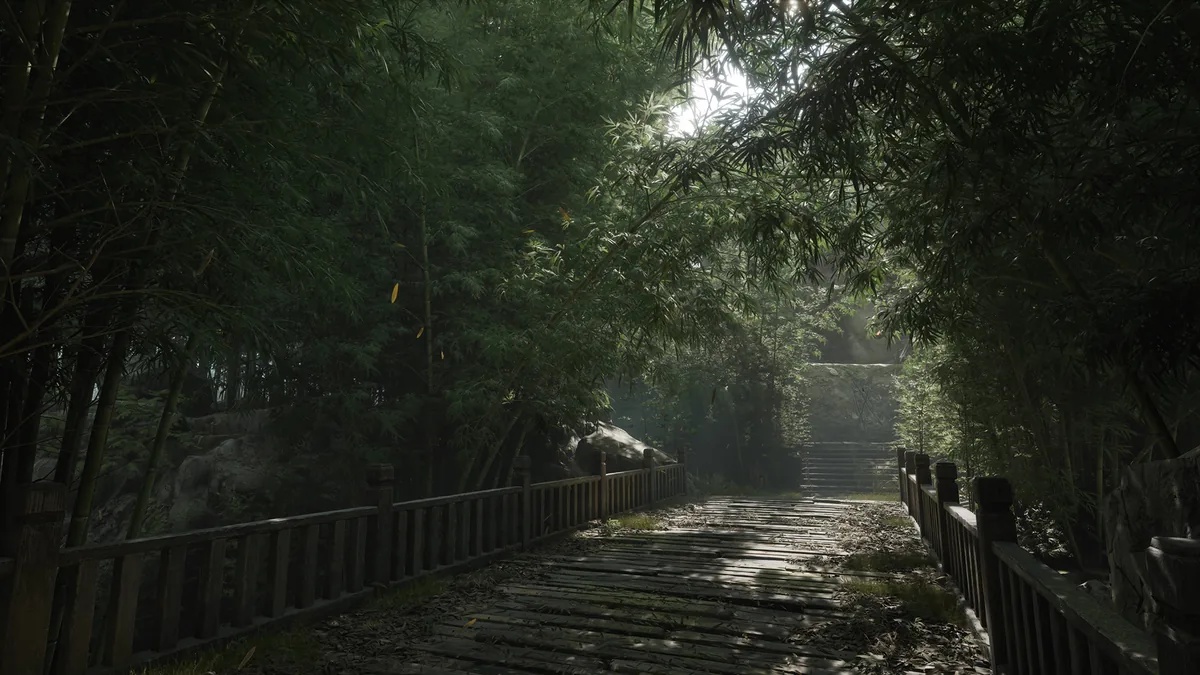
Phantom Blade Zero’s officials made it explicit: choices around side-quest NPCs directly change the level experience. That one short line hides the most exciting mechanism in the world design: enemy setups, routes, even the story itself genuinely shift with your choices. This article dissects the “choices rewrite the world” design.
The Core: Choices Are Not Decoration#
The Mechanism in One Sentence#
Legacy side quests tend to run “accept task — run errand — take reward,” leaving the world untouched afterward. Phantom Blade Zero’s side-quest choices are a stone dropped into a river: the ripples spread and change the levels you meet downstream.
| Legacy side quests | Phantom Blade Zero side quests |
|---|---|
| The world never changes | Directly changes levels |
| Fixed rewards | Shifts friend-and-foe setup |
| Redundant process | Every step has consequences |
| Skippable without loss | Bears on the whole playthrough |
The Weight of “Directly”#
Officials said “directly,” not “possibly” — a flagship mechanism, not a garnish. It pushes players to take side choices seriously and makes each run’s level experience potentially different.
| Layer | Notes |
|---|---|
| Enemy setup | Packs grow or shrink with choices |
| Level routes | Paths unlock or close |
| Support shifts | Allies and pursuers trade places |
| Story branches | Different events unfold |
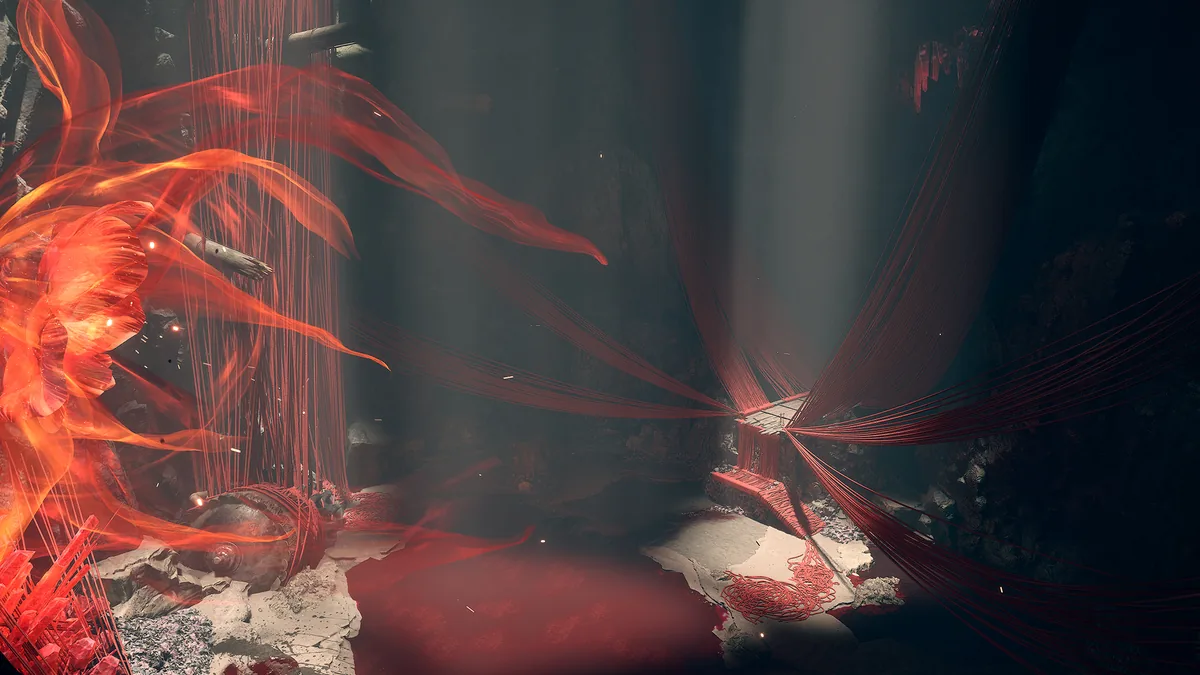
Where the Choices Bite#
On Enemies#
The most direct change shows in enemies. A side decision may flip a previously neutral guard into a foe, or scatter the packs of an entire region.
| Decision | Enemy change |
|---|---|
| Enrage a faction | Its enemies appear more often |
| Ally with a faction | Its enemies turn friendly |
| Cut down a leader | Related packs collapse |
| Protect someone | Their guards join your side |
On Routes#
Different choices unlock different paths. Saving a person may hand you a hidden shortcut; walling off a corridor or skirting a danger zone becomes the natural result of other choices.
| Decision | Route change |
|---|---|
| Help a shortcut NPC | Hidden path unlocks |
| Uncover a chamber | A secret passage is found |
| Refuse a branch | A side path closes |
| Meet conditions | An exclusive battle zone opens |
On Story Direction#
Changes to the level experience ultimately pull the story. Accumulated side decisions can steer you toward different endings or key events — “how you play” directly shapes “the story you see.”
| Accumulated choices | Story lean |
|---|---|
| More goodwill | Gentler routes |
| More grudges | Darker foreshadowing |
| Deeper digging | More of the conspiracy surfaces |
| Clearer alignment | Faction endings decided |
Why the Mechanism Matters#
Giving Choices Weight#
“Choices directly change levels” makes every decision weighty. You no longer speed-run side quests to pass time, because you know each call will cash out in later levels.
| Value | Notes |
|---|---|
| De-ritualized | Side quests stop being chores |
| Ownership | You answer for each step |
| Echoes | Consequences follow |
| Immersion | The world moves because of you |
Better Replay Value#
Because choices change levels, the same level plays differently across runs and decisions — a natural engine of freshness and replay value.
| Run | Level differences |
|---|---|
| First run | One choice-route |
| Second run | Another route, other levels |
| Many runs | Assembling the full jianghu |
Plausible Implementation (Editorial Speculation)#
Officials never published the implementation, but at an industry level some reasonable guesses (for reference only):
| Mechanism | Notes |
|---|---|
| Quest state variables | Record player choices |
| Conditional level branches | Adjust choreography by state |
| Dynamic enemy packs | Spawn enemies by choices |
| Story event logic | Trigger events by accumulation |
Such techniques are common in modern action games; the hard part is meshing them seamlessly with combat and narrative. If Phantom Blade Zero lands that mesh, the experience would be genuinely new.
How the Sixty-Six-Day Clock Interlocks#
The 66-day premise reacts chemically with “choices change levels.” Against limited time and shifting levels, players must trade off “explore and reshape the world” against “push the main line while there’s time.”
| Two-front tension | Notes |
|---|---|
| Explore side quests | A more changeable world, but time burns |
| Push the main line | Efficient, but changes are missed |
| The standing trade-off | Every step forward weighs |
| Play-driven design | Time itself becomes gameplay |
The Full Picture of “Choices Change Levels”#
When the countdown meets choice-driven levels, the innovation is not just in level design — “how to spend your time” becomes core gameplay. You make moral calls in the jianghu and efficiency calls on the clock, and both are required.
| Decision axis | The player’s call |
|---|---|
| Moral | Whom to help, kill, back |
| Time | Explore or advance |
| Route | Which path to take |
| Ending | Where it all lands |
Advice for Players#
Facing a world where choices have consequences, a few pointers:
| Advice | Why |
|---|---|
| Think through side quests | Weigh each one |
| Savor variation | Try different choices |
| Accept outcomes | Regret and reward both live here |
| Use replays | See the whole via multiple runs |
Perfectionism Not Required#
Since choices shape levels, no single run shows every possibility. Let go of the full-collection itch and enjoy the jianghu your choices forged — that is where this design’s fun actually lives.
| Mindset | Benefit |
|---|---|
| Relaxed | Enjoy your own route |
| Unclenched | Accept outcomes gracefully |
| Re-embark | See the other way on run two |
| Process-first | Experience over collection |
Interlock with the Weapon-Seizing System#
The choice system also links to weapon-seizing (duo wu). Strong enemies met in side quests may be seizing opportunities, and whom you help or kill shapes which strong enemies appear later — a chain of “choice — encounter — seize.”
| Link | Tie to seizing |
|---|---|
| Side-quest encounters | Strong enemies worth robbing of arts |
| Choice orientation | Shapes which strong foes appear |
| Matchups | Alignment decided by choices |
| Seizing rewards | Defeated foes yield their arts |
How Choices Diversify a Single Run#
Players of different choices likely meet different strong-enemy lineups — help a sect and you may face its rivals’ masters on the main line; cut a threat down at the root and you may lose a memorable duel-and-seize opportunity.
| Choice difference | Strong-enemy difference |
|---|---|
| Help A, slight B | A’s masters aid you; B’s hunt you |
| Kill a leader | That faction’s strong foes thin out |
| Neutral stance | Both sides’ masters may appear |
| Deep conspiracy digging | Exclusive hidden-master foes unlock |
The Narrative Price of Choice-Driven Levels#
Good systems speak costs. While choices gain weight, players presumably also taste “you cannot have both fish and bear’s paw” — the person you save may be the one a better path required sacrificing.
| Trade-off | Experience |
|---|---|
| Save or not | Gain an ally or lose a chance |
| Whom to back | Ally with one, enrage another |
| Dig or not | More intel or more enemies |
| Win or lose | Some conflicts allow no both |
The Jianghu’s “Cannot Have Both”#
These “cannot have both” moments give the decisions real tension and heft. The game offers no perfect solutions, only your own calls under limited time — one in spirit with the 66-day premise.
| Dilemma theme | What it echoes |
|---|---|
| Time | The 66-day calls |
| Jianghu | Whom to align with |
| Morality | Where good and evil blur |
| Fate | Which ending arrives |
Hot Topic: What Players Were Saying#
When pre-orders opened ahead of launch, this choice-reshapes-levels mechanism was a hot discussion focus — players daydreamed aloud about how to “conduct themselves” in their first run and which level changes they most wanted to witness. The heat itself shows how badly players want choices that are real.
| Player talk | The wish beneath |
|---|---|
| How should run one go | To feel consequences |
| Sects or wanderers | Moral trade-offs |
| Can I see every difference | Replay hopes |
| Hidden choice routes? | Surprise branches |
Editorial: An Honest Caveat#
One candid editorial note: the mechanism’s full effect depends on execution. The blueprint is beautiful, but rough implementation could reduce “choice influence” to surface-level number flips. That said, given S-GAME’s track record of world-building care across the Rainblood and Phantom Blade series, we hope — and reasonably believe — they landed it.
| Caveat | Notes |
|---|---|
| Beautiful blueprint | High-minded design |
| Execution is everything | Success rides on craft |
| Reasons to trust | Strong world-building pedigree |
| Measured expectations | The shipped game is the verdict |
Closing (Supplement): A Jianghu You Forge Yourself#
In the end, “choices directly change the level experience” grounds the grand promise of “a world different because of you” in playable mechanics. The jianghu of Phantom Blade Zero is not a pre-written script but one you forge choice by choice — a jianghu only you have walked. That sense of meaning, unique to you, is what the October 29, 2026 release promised most.
FAQ#
| Question | Answer |
|---|---|
| Do side quests affect endings | Likely; defer to official word |
| Can choices be undone | Defer to official word |
| How wide is the effect | Officials confirmed direct level changes |
| Is a second run needed | Worth it for other routes |
| Do side quests affect difficulty | Yes — enemy setups change |
| Do all side quests work this way | Officials specified NPC choices |
| Multiple endings | Defer to official word |
| Do choices link to weapon-seizing | Possibly — strong foes depend on choices |