PBZ: State of Play vs Reveal PV Comparison#
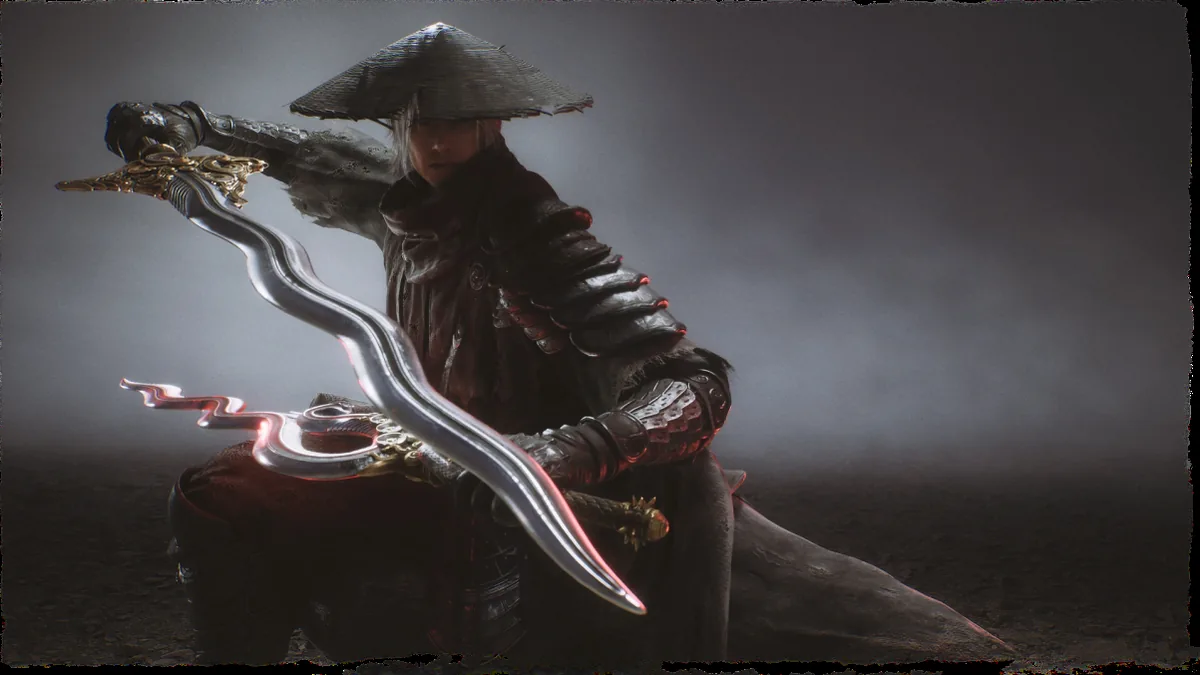
Phantom Blade Zero’s reveal PV established the IP’s return to single-player, while the day’s State of Play showed the game far more completely across 18-plus minutes. This article puts the two side by side — story, combat, art, tech, and information density — so long-time followers can feel the game’s evolution directly.
Why Compare These Two#
A reveal PV’s job is “set the position, build the appetite”; a showcase’s job is “prove completeness, drive pre-orders.” Different missions, different content — but together they trace a clear line of development.
| Dimension | Reveal PV | The broadcast |
|---|---|---|
| Goal | Set the position | Show completeness |
| Length | Short film | 18-plus minutes |
| Register | Teaser | Deep demo |
| Driver | Build appetite | Drive pre-orders |
Editorial read: this is not “which is better” but “what each stage needed to achieve” — and seen together, they show the game’s development cadence clearly.
Story Presentation#
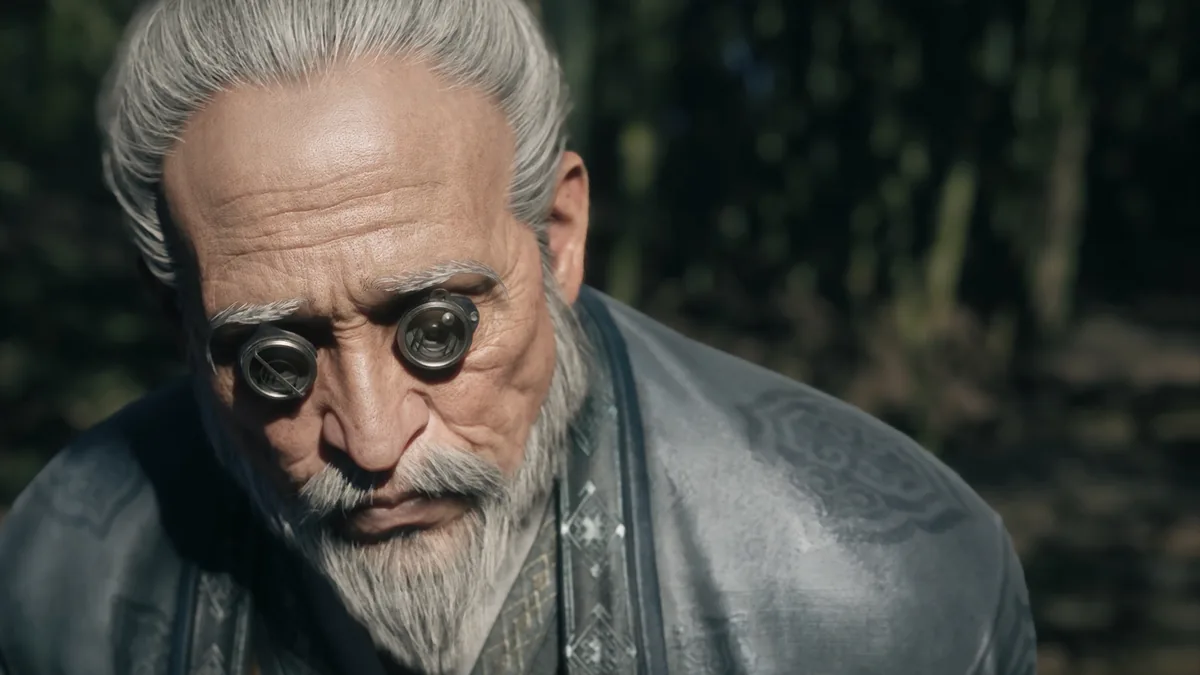
The reveal PV leaned conceptual and atmospheric; the broadcast delivered full staged narrative.
The Reveal PV’s Story#
| Element | Reveal PV |
|---|---|
| Premise | The 66 days, shown conceptually |
| Mood | Cold, mysterious |
| Information | Relatively thin |
| Narrative | Fragmented |
The Broadcast’s Story#
| Element | The broadcast |
|---|---|
| Premise | Concretely established |
| Mood | Full emotional staging |
| Information | Substantially more |
| Narrative | Complete scenes |
| Dimension | Reveal PV | The broadcast |
|---|---|---|
| Story depth | Concept | Staging |
| Characters | Glimpses | Three-dimensional |
| Worldview | Atmosphere | Systematic exposition |
| Narrative completeness | Low | High |
Combat Performance#
Combat is the game’s core — and the two stages differ most here.
The Reveal PV’s Combat#
| Element | Reveal PV |
|---|---|
| Content | Fragmentary fights |
| Systems | Limited showing |
| Depth | Conceptual |
| Rhythm | First impressions |
The Broadcast’s Combat#
| Element | The broadcast |
|---|---|
| Content | Systematic deep demo |
| Systems | Fully on display |
| Depth | Feel and tactics |
| Rhythm | Completely shown |
| Dimension | Reveal PV | The broadcast |
|---|---|---|
| Weapons shown | Few | Full range |
| Combos | Fragments | Systematic |
| Stances | Scarce | Clear |
| Boss fight | Scarce | Complete |
Art and Imagery#
Art carries the game’s identity; maturity differs clearly between stages.
The Reveal PV’s Art#
| Element | Reveal PV |
|---|---|
| Style | Baseline set |
| Lighting | Basic |
| Detail | Relatively sparse |
| Mood | Fragments |
The Broadcast’s Art#
| Element | The broadcast |
|---|---|
| Style | Deepened, mature |
| Lighting | Fine-grained |
| Detail | Rich |
| Mood | Unified |
| Dimension | Reveal PV | The broadcast |
|---|---|---|
| Light precision | Basic | Fine |
| Ink technique | Established | Deepened |
| Scene density | Conceptual | Rich |
| Mood unity | Fragmented | Coherent |
The frame-level art reading lives in the ink-wash art analysis.
Technical Features#
The broadcast’s biggest technical increment: the RT and path tracing reveal.
The Reveal PV’s Tech#
| Element | Reveal PV |
|---|---|
| Engine | Unreal Engine 5 |
| Ray tracing | Not emphasized |
| Path tracing | Not mentioned |
| Performance word | None |
The Broadcast’s Tech#
| Element | The broadcast |
|---|---|
| Engine | Unreal Engine 5 |
| Ray tracing | Explicitly supported |
| Path tracing | Explicitly supported |
| Performance word | RTX 5080 at 4K60 |
| Dimension | Reveal PV | The broadcast |
|---|---|---|
| Ray tracing | Unmentioned | Explicit |
| Path tracing | Unmentioned | Explicit |
| High-end performance | Unpublished | RTX 5080 4K60 |
The full technical reading lives in the config analysis.
Information Density#
The most direct difference of all — the longer broadcast released far more.
Information Dimensions#
| Dimension | Reveal PV | The broadcast |
|---|---|---|
| Release info | Thin | Date, pre-orders |
| Config info | None | RT, 4K60 |
| Donnie Yen’s role | Light | Shown in depth |
| System info | Limited | Comprehensive |
What the Growth Means#
The information surge marks the game’s passage from “building buzz” to “landing the plane” — concrete facts driving pre-orders and attention.
| Increment | Meaning |
|---|---|
| Date set | Certainty landed |
| Pre-orders open | Commercial engine started |
| Config published | Players can plan |
| Systems deepened | Completeness confirmed |
The Overall Evolution Verdict#
Across the board, the game evolved on multiple fronts between the two stages. The desk’s summary:
The Core Directions#
| Direction | Evidence |
|---|---|
| Completeness up | From concept to footage |
| Systems deepened | Combat fully unfolded |
| Tech upgraded | RT and path tracing |
| Commercialization | Date and pre-orders set |
The Questions That Remained#
Despite clear evolution, several questions awaited the shipped game:
| Question | Notes |
|---|---|
| Feel in hand | Demo versus live-game gap |
| Optimization | Real RT performance |
| Content scale | The shipped game’s volume |
| Story completeness | Narrative in the final build |
Editorial read: the broadcast moved the game from “worth anticipating” to “worth watching the details.” Completeness was already high; the final verdict belonged to the shipped game.
Advice by Player Type#
Based on the comparison, reading and expectation advice:
| Player type | Advice |
|---|---|
| Long-time followers | Focus on completeness and system depth |
| Pre-order prospects | Weigh release and pre-order facts |
| Hardware players | Watch the RT and config analysis |
| Art lovers | Savor the frame-level art evolution |
Closing Thoughts#
From the reveal PV to the State of Play broadcast, Phantom Blade Zero crossed from “concept and buzz” to “completeness on display”: story from concept to staging, combat from fragments to systems, art from baseline to depth, tech from basics to ray tracing, information from thin to full. The trajectory sketched S-GAME’s cadence and ambition plainly. For players, that was a signal worth following — October 29 was drawing near, and so was the goal of a true Chinese wuxia action blockbuster.