PBZ State of Play: Combat System Deep Dive#
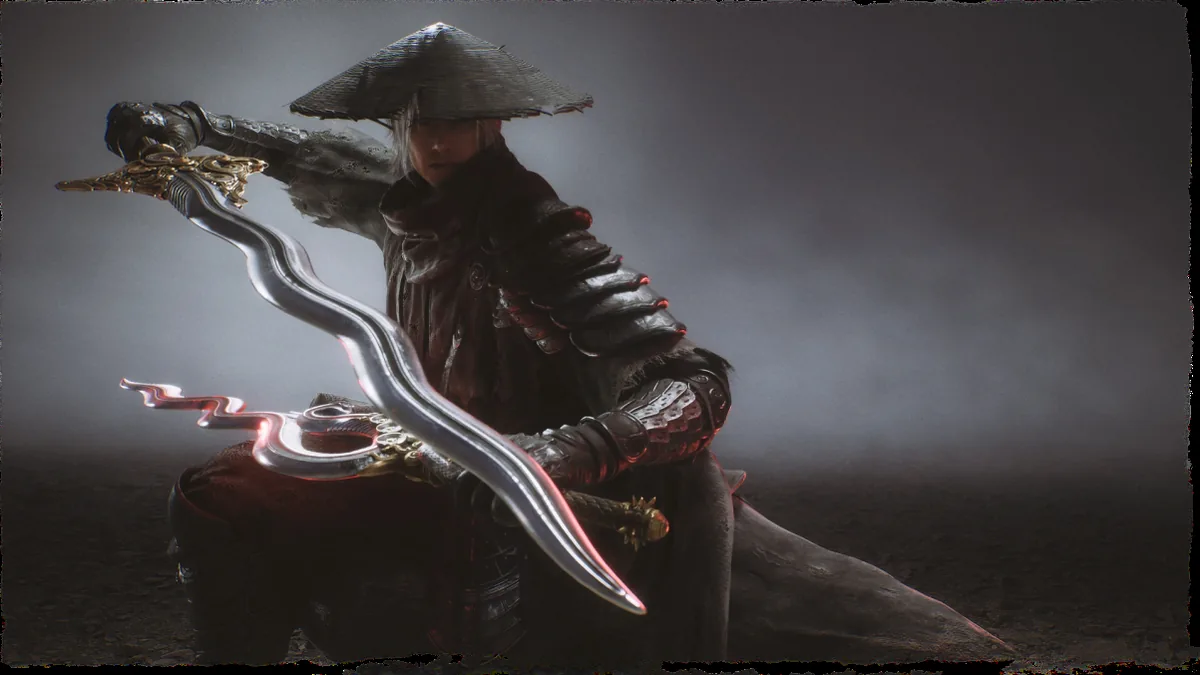
The day’s State of Play gave Phantom Blade Zero’s combat system its first systematic, 18-plus-minute showcase. As the relay’s main combat piece, this article dissects the broadcast fight by fight — combo rhythm, stance switching, Phantom Edges linking, weapon-seizing, and the Moyuan boss finale — from a veteran action player’s perspective. Analysis of public footage; final numbers belong to the shipped game.
The Combat Philosophy in View#
Phantom Blade Zero plainly walks the fast, “non-soulslike” route — the opposite philosophy of soulslikes’ reactive, resource-frugal combat. The broadcast’s core signal: faster, freer, with sustained offensive pressure as the default.
| Dimension | Soulslike reference | Phantom Blade Zero |
|---|---|---|
| Tempo | Measured, reactive | Faster, offense-chained |
| Combo freedom | Restrained | Free, combinable |
| Resources | Stamina/posture-type meters | Multi-weapon + skill mixing |
| Philosophy | Defend, then punish | Attack, sustain pressure |
| Learning curve | High punishment, high reward | High tempo, mastery-driven |
Editorial read: the game wants the “continuous fight” feel of Hong Kong action cinema as its own road, distinct from soulslikes — and the demo’s fights indeed carry that fast, pressuring temperament.
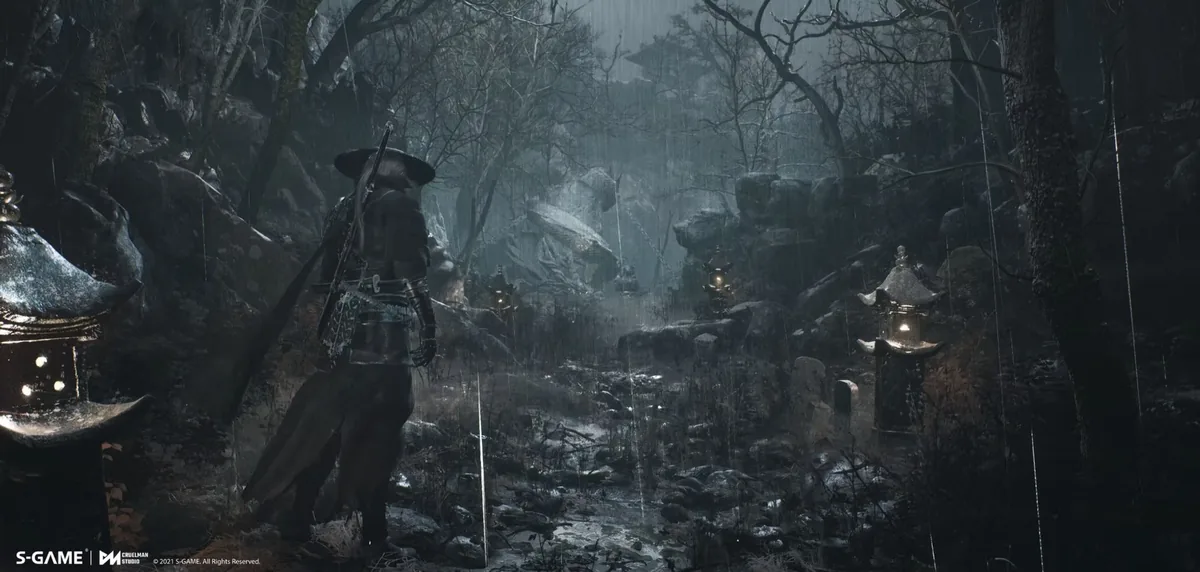
The Multi-Weapon Swap System#
Real-time weapon switching is the combat’s foundation: it changes not just attack patterns but which combos and skill pairings are even possible.
| Weapon role | Demo behavior | Combat function |
|---|---|---|
| Main weapon | Balanced speed and reach | Base combos and error room |
| Heavy weapon | Visible weight and stops | Burst damage, guard-breaking |
| Speed weapon | Fast starts, smooth derivatives | Sustained pressure, chain links |
| Special weapon | Unique mechanics | Tactical utility |
Why Swapping Matters in a Fight#
The value is not “one more weapon” but real-time adaptation: the demo’s hero swaps by enemy type and situation.
| Situation | Swap strategy |
|---|---|
| Packs | Wide-arcing or fast weapons to clear |
| Heavies | Guard-breaking heavies to crush |
| Elites | Targeted-skill weapons |
| Combo continuation | Swap to carry the chain |
Combos and Rhythm#
Combos are the core experience. The demo’s traits: fast starts, smooth derivatives, decisive recoveries — a very tight overall tempo.
The Anatomy of a Combo#
A full combo runs startup, derivatives, skill links, and finisher — the demo shows how the four fuse into fluid offense.
| Stage | Role | Demo behavior |
|---|---|---|
| Startup | Seize the initiative | Close fast, strike first |
| Derivatives | Extend the chain, build pressure | Smooth linking |
| Skill insert | Burst, change the rhythm | Phantom Edges into the chain |
| Finisher | Bank the damage, reset | Decisive close, ready again |
Controlling the Tempo#
The gap between good and great players lives in tempo control. The demo shows several typical rhythm shifts:
| Rhythm type | Behavior | Best against |
|---|---|---|
| Sustained pressure | Relentless offense, shrinking space | Basic packs |
| Burst rhythm | Skill inserts, high-damage closes | Fast kills, guard-breaks |
| Gap-finding | Strikes into enemy openings | Heavies and elites |
| Charged rhythm | Heavy-weapon stops, ebb and flow | Creating pressure and gaps |
The Stance System#
Mid-fight stance changes are the other key axis: one weapon kit, flexibly re-weighted between attack and defense.
| Stance lean | Combat behavior | Tactical value |
|---|---|---|
| Offensive | Stronger chains and damage | Active pressure |
| Defensive | Steadier blocks and footing | Hold and counter |
| Balanced | Both served | Adapts to shifting fights |
| Specialized | Bolsters specific mechanics | Targeted tactics |
Editorial note: stacking stances on top of weapon swaps gives Phantom Blade Zero more operational dimensions than its peers — you manage both simultaneously at speed, which raises the skill floor and the ceiling together.
Weapon Skills (Phantom Edges)#
Phantom Edges are each weapon’s unique skill, mixed freely into attack chains. The broadcast shows the burst-insert pattern repeatedly.
How Phantom Edges Work#
Each Edge binds to a specific weapon and effect — a core build ingredient.
| Trait | Notes |
|---|---|
| Weapon-bound | Each skill belongs to one weapon |
| Distinct effects | Damage, control, movement, and so on |
| Chain inserts | Slot into attack sequences for bursts |
| Build meaning | Skill combinations define schools |
The Applications Shown#
The demo’s skill usage sketches the build directions:
| Usage | Demo behavior | Build direction |
|---|---|---|
| Chain burst | Skill caps a combo | Burst builds |
| Opening control | Skill leads the fight | Control builds |
| Gap-closing | Movement skills to engage | Mobility builds |
| Counter-play | Late responses that punish | Counter builds |
The Weapon-Seizing System#
Seizing is Phantom Blade Zero’s most distinctive system: defeat a strong enemy, take its weapon and signature moves into your own library. The elite fights showcase it.
The Seizing Flow#
This is a mechanic with a clear pipeline, not loot luck:
| Step | Notes |
|---|---|
| Meet a strong enemy | One carrying a unique weapon |
| Win the fight | Beat them in combat |
| Take the weapon | Acquire their arm |
| Unlock the moves | Signature techniques join your library |
| Build expansion | New weapon and moves widen your school options |
What Seizing Means for Builds#
Seizing gives every elite fight a collection stake — every hard fight can become part of your build.
| Meaning | Notes |
|---|---|
| Wider arsenal | Different enemies, different weapons |
| Bigger skill library | Signature moves become usable skills |
| Exploration motive | Hunt strong foes for build resources |
| Replay value | Different routes, different builds |
The Moyuan Boss Fight, Dissected#
The broadcast’s finale — Donnie Yen’s Moyuan — is the day’s combat climax, and Yen’s martial grounding gives it real “force.”
The Boss’s Design Traits#
| Trait | Presentation |
|---|---|
| Move source | Real martial arts + top-tier capture |
| Multi-phase | Rhythm and moves shift by stage |
| Staging | Moves and camera in cinematic sync |
| Watchability | Live-martial-arts flavor throughout |
Tactical Notes for the Fight#
From the demo, a few stage-by-stage pointers worth planning around:
| Stage | Response notes |
|---|---|
| First sight | Learn the moves; build familiarity |
| Pressure stage | Take offense with combos and skills |
| Burst stage | Punish gaps with Phantom Edges |
| Endgame | Watch for move changes; hold and counter |
Editorial note: the most stunning part is Yen’s martial motion fused with the game’s staging — the boss’s moves carry a live-martial-arts “force” that pure CG rarely achieves, the capture pipeline’s strongest showcase. The companion read lives in Donnie Yen and the Moyuan Boss.
Overall Assessment of the Combat#
Across the broadcast, the combat shows clear strengths — with matching challenges:
Strengths#
| Strength | Notes |
|---|---|
| Distinct tempo | Fast chained offense, unique feel |
| Rich dimensions | Weapons + stances + skills stacked |
| Build freedom | Multi-weapon + seizing + Phantom Edges |
| Great staging | Capture meets cinematic camera |
Challenges to Watch#
| Challenge | Notes |
|---|---|
| Operation complexity | Weapon and stance management demands mastery |
| Learning curve | The tempo gates newcomers |
| Balance risk | Many stacked systems test the designers |
Editorial read: the combat is clearly ambitious — layered operation carrying a high-tempo ceiling. Whether the shipped game cashed the check was one of the biggest pre-launch questions, also discussed in the expectations section.
Relation to the Combat Overview#
Our existing combat overview maps the system’s foundations; this page shows the system performing. The two complement: what the system is, versus how it plays.
| Compare | Combat overview | This page |
|---|---|---|
| Focus | System mapping | Live dissection |
| Basis | Early intel | The day’s demo |
| Depth | Framework | Feel and tactics |
| Freshness | Baseline info | Latest footage |
Closing Thoughts#
The day’s State of Play moved Phantom Blade Zero’s combat from “concept” to “footage.” Weapon swaps, combo rhythm, stances, Phantom Edges, seizing, and the Moyuan fight together form an action system built on tempo and free combination — a high ceiling for hardcore players. Whether feel and depth fully cashed out was answered by the game itself on October 29, 2026.