Phantom Blade Zero 11-Minute Gameplay PV Breakdown#
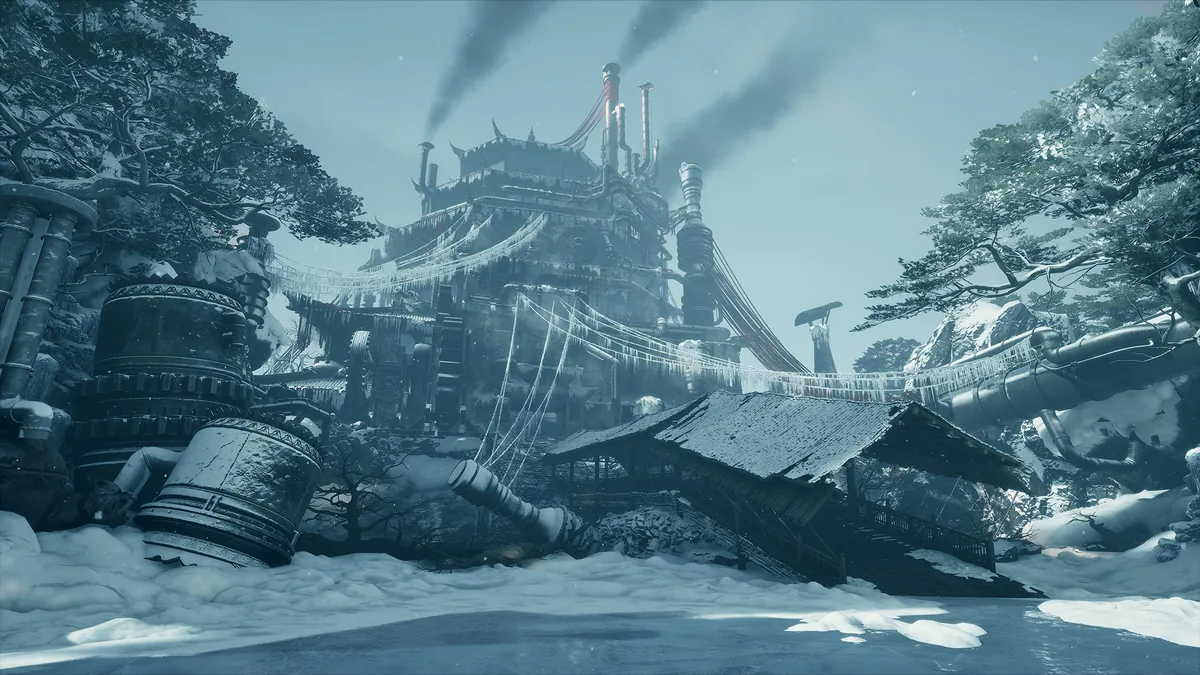
On August 12, 2026, alongside the all-platform pre-order opening, Phantom Blade Zero released an 11-minute gameplay demo — still the richest official material on the game’s feel, combat system, and presentation. As an action player I watched it many times; this article unpacks what it shows across three dimensions: the combat system, stances and combo mechanics, and presentation design.
Why a Frame-Level Breakdown#
Paper specs (weapon counts, skill counts) only say “what exists”; a gameplay demo answers “what does it feel like.” Eleven minutes is remarkably long for the genre’s promo reels — the officials clearly meant to convey the feel through “enough real combat” rather than edited fragments. For anyone judging “is this game for me,” it is a rare reference.
| Dimension | What the demo confirms |
|---|---|
| Combat system | Attack rhythm, dodges, derivatives, resource loops |
| Stance mechanics | Offense-defense weighting, stance-switch costs |
| Combo mechanics | Weapon swaps, skill links, cancel logic |
| Presentation | Camera, slow motion, finisher framing, hit feedback |
Overall Combat Observations#
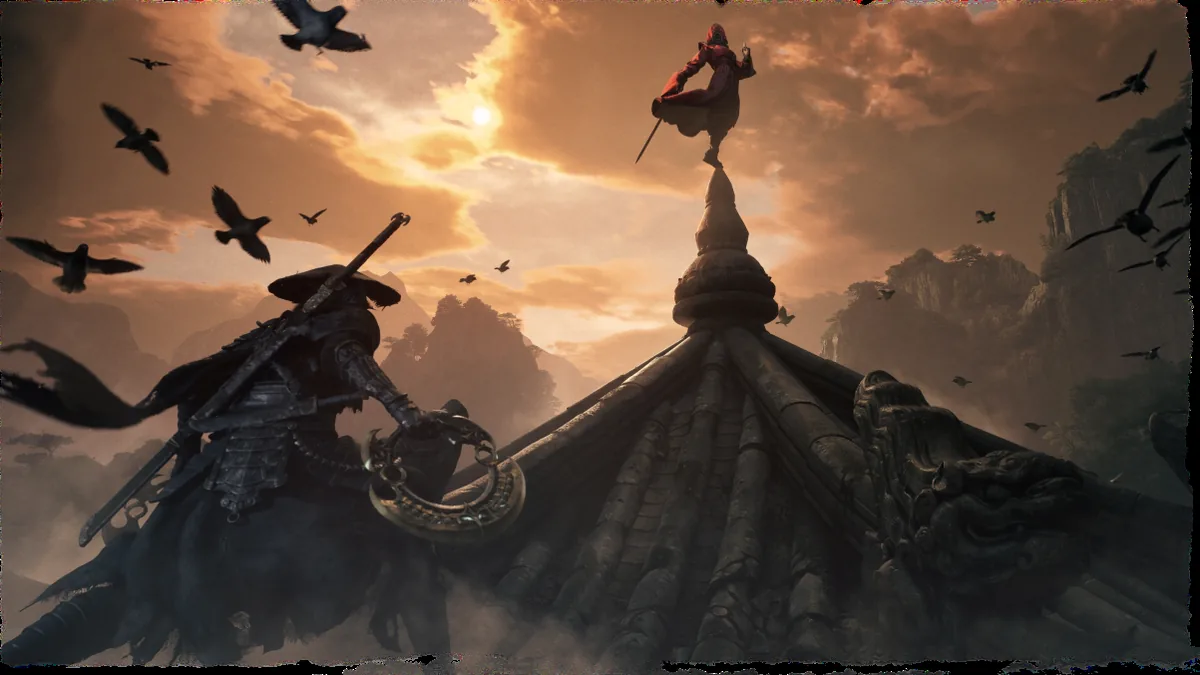
The demo’s first impression: fast. From animation startup to hit feedback, the attack rhythm clearly outruns traditional soulslike action games — matching the officials’ repeated “not a soulslike” positioning. The speed is not simple attack-speed inflation; it rests on specific design choices.
| Combat element | Observed in the demo |
|---|---|
| Startup | Short windups, clean initiations |
| Rhythm | Strong continuity, tight derivative links |
| Dodging | Agile, generous cancel windows |
| Hit feedback | Clear impact sounds and screen shake |
| Resource loop | A combo-resource / energy accumulation layer |
| Executions / finishers | High-damage finisher shots appear often |
Especially notable: the character transitions between actions fluidly mid-attack, implying generous cancel windows — normals cancellable into skills or dodges, giving combos real freedom.
Attack Rhythm and Combo Feel#
“Combo feel” is the hardest thing to put in words and the clearest separator of quality. The demo’s animation links feel “fluid but not cheap.” The fluidity comes from forgiving cancels; the non-cheapness comes from hit feedback and animation weight.
| Feel dimension | Analysis |
|---|---|
| Startup speed | Fast — favors proactive offense |
| Combo linking | Smooth derivatives; skills insert mid-chain |
| Recovery | Moderate — risky but manageable |
| Weight | Heavy weapons visibly chunky; light weapons brisk |
| Hit feedback | Sound, shake, and hit-stun land together |
To the action player’s instinct, this system went through dedicated martial-arts choreography — the force generation and weight transfer read as real fighting, not gamey arm-waving. That is precisely what Donnie Yen’s creative supervision was meant to bring.
Stance Mechanics Observations#
The demo shows the character shifting stances mid-fight. From the motion changes, different stances weight offense and defense differently — not mere stat swaps.
| Stance | Observed traits |
|---|---|
| Offensive stance | Shorter windups, more aggressive derivatives |
| Defensive stance | Emphasis on blocking and parrying |
| Agile stance | Faster repositioning, nimbler dodges |
Whether stance switching has cooldowns or resource costs is not fully shown, but a reasonable read is that timing and cost trade-offs between stances form a deeper combat decision layer. Exact rules awaited official explanation or play.
Combo Mechanics in Detail#
Combos are a core selling point. The demo shows repeated attack chains and skill links; here is what stood out:
| Mechanism | Observations |
|---|---|
| Normal chains | Multi-hit sequences that can link into skills |
| Weapon-swap combos | Different moves chain after a swap |
| Skill links | Skills insert mid-combo |
| Finisher chains | High-cost skills / finishers close the sequence |
| Launch / knockback | Tools exist to launch or shove enemies |
Weapon Swaps and Skill Mixing#
Our combat system overview already covered the 30-plus weapons and 20-plus weapon skills (Phantom Edges) that mix freely; the demo confirms how they behave in real fights.
| System | Demo behavior |
|---|---|
| Multi-weapon swap | Real-time weapon switching in combat |
| Weapon skills | Each weapon carries a unique skill |
| Skill mixing | Skills from different weapons combine |
| Weapon-seizing | Defeating strong enemies yields their weapons and moves |
This “many weapons + skill mixing” design gives combo depth far beyond single-weapon games. Build-level pairing ideas live in our build framework.
Presentation and Camera Language#
Presentation is where great action games separate from mediocre ones. The demo’s camera language impressed — not a fixed viewpoint chopping away, but framing with real martial-cinema instincts.
| Presentation element | Analysis |
|---|---|
| Camera follow | The camera rides the action’s rhythm |
| Slow motion | Used at key hits / finishers |
| Finisher shots | Executions get close-ups |
| Scene mood | Environment and fight blend into one |
| Hit feedback | Shake, particles, and sound align |
The slow-motion and close-up work is clearly inspired by golden-age Hong Kong action cinema — that “cinematic combat texture” is exactly the heart of the officials’ Kungfupunk aesthetic: not just satisfying to play, but beautiful to watch.
The Action-Route Comparison with Black Myth: Wukong#
Any Chinese action conversation turns to Black Myth: Wukong. From this demo, the two games’ action routes differ clearly and substantively:
| Dimension | Black Myth: Wukong | Phantom Blade Zero |
|---|---|---|
| Combat tempo | Measured, reactive | Faster, freer combos |
| Combo freedom | Relatively restrained | Emphasizes free combination |
| Presentation style | Mythic splendor | Kung-fu cinema |
| Resource model | Focus-type meters | Multi-weapon + skill mixing |
Neither is superior — they are different design philosophies. Black Myth walks a soulslike route of restraint and focus; Phantom Blade Zero visibly chases “wuxia-cinema combo exhilaration.”
Deeper Combat Signals in the Demo#
Beyond surface feel, the demo hints at deeper systems worth hardcore attention:
| Potential mechanic | Basis |
|---|---|
| Stance-switch costs | Switching is not entirely free in the footage |
| Perfect guard / parry | Parry-like motions appear |
| Stamina / energy management | High-cost skills gated by resources |
| NG+ extra phases | Bosses unlock additional phases in NG+ |
| Execution conditions | Finishers may require specific triggers |
Exact numbers and rules awaited the final build; this breakdown is editorial forward analysis from visible footage.
What It Means for the Purchase Decision#
After this demo, my read was: if you want “blade-light and flowing combos” in a wuxia action shell, Phantom Blade Zero would likely hit you; if you prefer measured, reactive soulslike hardcore, it may not be your dish. It comes down to your tolerance for fast, free-form combos.
| Player type | The demo’s likely verdict |
|---|---|
| Wuxia action fans | Strong match — exhilarating combos |
| Soulslike veterans | Adjustment to the faster tempo |
| Art / presentation fans | Excellent cinematic texture |
| Story-first players | Little story shown outside combat |
The Combat Environments#
The demo’s environments matter too. Different spaces (narrow alleys, open grounds, interiors) shape the fights, hinting at varied level design and forcing different spacing judgments.
| Environment | Combat effect |
|---|---|
| Narrow spaces | Movement constrained; close-quarters tested |
| Open grounds | Free footwork, room to maneuver |
| Interiors | Possibly rich environmental interaction |
| Height differences | Affect attacks and evasion |
Enemy Types and AI Behavior#
The demo fields several enemy types; their responses show AI with real initiative and coordination, which shapes player strategy.
| Enemy type | Observations |
|---|---|
| Basic troops | Numerous; suppressed by combos |
| Elites | More proactive; need targeted answers |
| Boss units | Carry high-threat moves |
| Ranged enemies | Priority targets |
Feedback System Details#
“Does it feel good to hit” rests on the feedback stack — sounds, shake, and hit reactions together build the blade-flash satisfaction.
| Feedback element | Observation |
|---|---|
| Hit sounds | Crisp, percussive |
| Screen shake | Key hits shake the frame |
| Hit reactions | Enemies react visibly |
| Particles | Blade-light and effects align |
| Slow-mo emphasis | Deployed at key nodes |
Early Weapon Differentiation#
Weapons in the demo behave differently — implying not just stat spreads but distinct motions and feel, supporting the “different weapons, different styles” build logic.
| Weapon class | Style difference |
|---|---|
| Light weapons | Fast, nimble, combo-rich |
| Heavy weapons | Slow, weighty, explosive |
| Special weapons | Unique mechanisms and skills |
What the Demo Promises for Playability#
Reading the whole demo, the desk’s initial judgment: Phantom Blade Zero pairs exhilarating combo feel with genuine combat depth — real potential as a top-tier action game.
| Playability dimension | Judgment |
|---|---|
| Combo exhilaration | High |
| Combat depth | Real potential |
| Presentation | Standout cinematic quality |
| Replayability | Many weapons, many schools |
Closing Thoughts#
These 11 minutes remain the single most telling official material for Phantom Blade Zero’s real feel. From the fast combat system to the free combo mechanics to the cinematic presentation, they make plain what S-GAME set out to build: a non-soulslike, wuxia-cinema-flavored action game. For anyone who wanted to verify the feel before buying, watch the demo in full first.
The game launched on October 29, 2026. This breakdown was written pre-launch; the post-launch combat coverage lives in the section’s hands-on pages.