PBZ Lion Dance Boss: Moveset and Combo Logic#
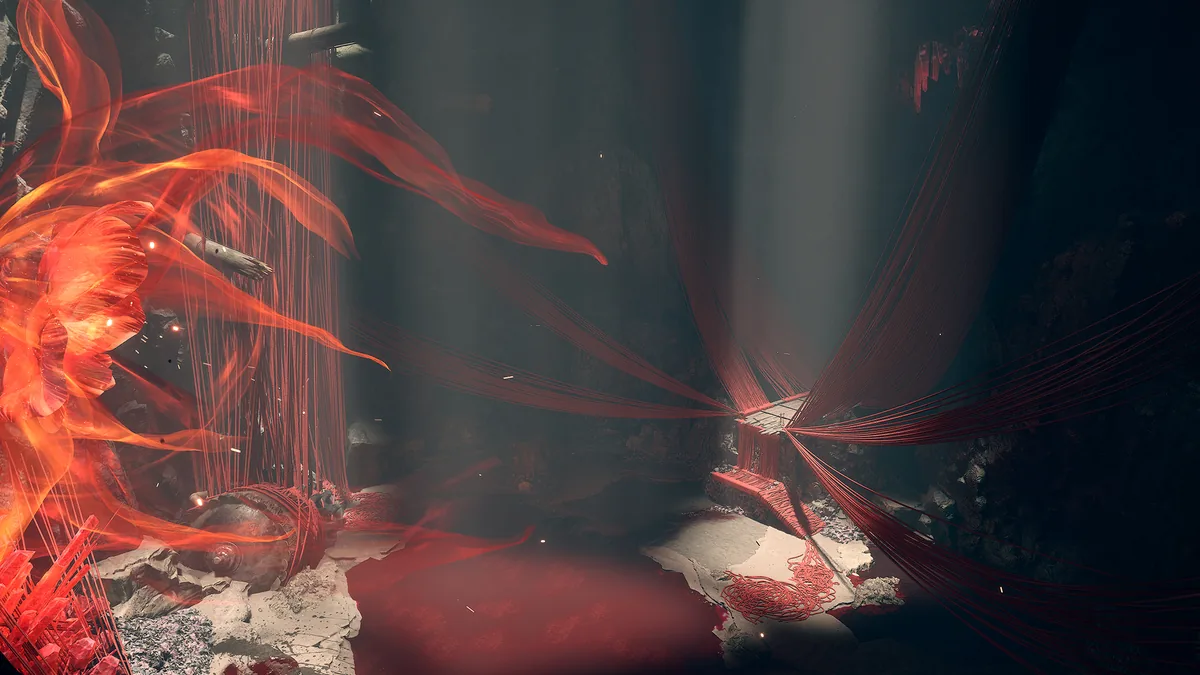
What hooked action players about the lion dance boss revealed at the August 18 State of Play is its moveset — a system built around the lion head that is not generic “monster biting”, but a combat language with wind-ups, combos and counter windows, composed from the lion dance’s footwork, feints and drumbeat. From a hardcore-action-player perspective, this article takes the moveset apart: the full moves library, combo logic, dodge and counter windows, and the reading strategy.
The Design Basis of the Moveset#
Before individual moves, the overall basis. The lion boss’s system is designed around three keywords: the head, the feints, the rhythm.
| Keyword | Meaning | How it shows in the moves |
|---|---|---|
| The head | The core attack medium | Most attacks come from the lion head |
| Feints | Fake and real strikes | Fake-real mixing creates read difficulty |
| Rhythm | Drum-driven pressure | Attacks land on the beat |
These three make the boss’s moves a logical, rhythmic combat language rather than mindless chaining — and reading that language is the prerequisite for winning.

The Lion-Head Moves Library#
Attack by attack, with presentation, wind-up tells and answers:
Head Lunge#
The most basic and most frequent attack: the head draws back slightly to wind up, then presses forward heavily as the drum lands. The wind-up is obvious — the beginner move for learning the rhythm.
| Item | Detail |
|---|---|
| Motion | Head draws back, then lunges forward |
| Wind-up | Obvious, readable |
| Answer | Side dodge into a counter |
| Risk | Low-to-medium; good for learning tempo |
Aerial Pounce#
The boss leaps and pounces down over a wide area, mostly at mid-close range. The airborne phase is the dodge window, but the landing may chain into follow-ups.
| Item | Detail |
|---|---|
| Motion | Leaps up, pounces down |
| Wind-up | The leap itself is visible |
| Answer | Read the landing point, dodge |
| Risk | Medium; landing may combo |
Head Sweep#
A horizontal sweep around the lion head, covering front and sides — used to control spacing or force movement. Wide reach but comparatively manageable speed.
| Item | Detail |
|---|---|
| Motion | Horizontal sweep with the head |
| Wind-up | The body tilts to wind up |
| Answer | Get off the sweep line |
| Risk | Medium; forces repositioning |
The Feint#
The head makes a small swaying attack posture without actually striking — baiting an early dodge or counter, then linking into a real attack. The feint is the hardest part of this fight.
| Item | Detail |
|---|---|
| Motion | Small head sway, fake posture |
| Wind-up | Smaller sway amplitude |
| Answer | Watch the weight; do not commit early |
| Risk | High; easy to be baited |
The Real Strike#
After the feint baits you, a true attack comes from the side or another angle, usually paired with the fake. Its wind-up is slightly larger with the weight shifting forward — distinguishable from the feint.
| Item | Detail |
|---|---|
| Motion | Real attack after the feint |
| Wind-up | Larger sway, weight moving forward |
| Answer | Read the weight shift, then dodge |
| Risk | High; fake and real look alike |
Pressure Chain#
The core attack mode once the boss goes high-intensity: pounces, sweeps and pursuit strung together with almost no breathing room — the highest first-try-kill risk in the fight.
| Item | Detail |
|---|---|
| Motion | Pounce into sweep into pursuit |
| Wind-up | Triggers after the phase shift |
| Answer | Dense dodging; keep stamina |
| Risk | Extreme; the pressure peak |
Combo Logic#
Beyond single moves, the real difficulty is how moves connect. The common combo patterns:
The Feint-Real Two-Step#
The classic feint into real strike: the head sways slightly (fake) to bait an early dodge or counter, then a true attack comes from another angle (real). The counter is not to bite the feint — watch the actual weight transfer.
| Step | Presentation | Counter point |
|---|---|---|
| One (fake) | Small head sway | Do not commit early |
| Two (real) | Weight forward, true attack | Read the weight, dodge |
The Chain Trio#
Pounce, sweep, pursuit chained for high-intensity pressure. The gaps are near zero — you must find micro-dodge-windows between pounce and sweep and keep stamina for the pursuit.
| Step | Presentation | Answer |
|---|---|---|
| One | Pounce lands | Side dodge |
| Two | Head sweep | Leave the line |
| Three | Point-blank pursuit | Save stamina to dodge |
Drum Tempo Shifts#
Using drum-rhythm changes to switch attack speed between measured and urgent, scrambling your rhythm reads. Drum speed is the intensity signal — listen and adjust.
| Tempo shift | Attack presentation | Answer |
|---|---|---|
| Measured drums | Probing small moves | Hold tempo, observe |
| Urgent drums | Pressure chains | Raise response intensity |
Dodge and Counter Windows#
After reading the moves, the key is when to dodge and when to counter:
Side Dodges#
Against linear attacks — the lunge, the pounce — side dodges are safest. Dodge sideways the instant the wind-up completes: you evade the frontal threat and take the flank position.
| Move | Dodge direction | Timing |
|---|---|---|
| Head lunge | Sideways | The instant the wind-up completes |
| Aerial pounce | Sideways | After reading the landing point |
| Head sweep | Off the line | As the body tilts |
Backward Dodges#
Against area attacks — the sweep, the real strike — back-dodges open distance and clear the coverage, at the cost of counter position. A trade to weigh.
| Move | Dodge direction | Timing |
|---|---|---|
| Head sweep | Backward | As the sweep starts |
| Real strike | Backward | As the weight shifts forward |
Counter Windows#
The gaps between the boss’s attacks are your counter windows: typically at the end of a pressure chain, when the real strike whiffs, and during the brief pause of a phase shift.
| Window source | When it appears | Counter advice |
|---|---|---|
| Chain gaps | The tail end of a chain | Unleash a combo |
| Whiffed real strike | The real strike is dodged | Punish the recovery |
| Phase shift | The upgrade pause | Damage safely |
Reading Strategy#
In real fights the biggest challenge is telling feint from real and predicting rhythm. Practical reading strategies:
Watch the Weight#
The most reliable feint-vs-real signal is body weight: feints shift weight backward and recover; real strikes shift weight forward to press. Focus on the transfer and your calls get accurate.
| Signal | Feint | Real |
|---|---|---|
| Weight | Backward, recovering | Forward, pressing down |
| Head | Smaller sway | Larger sway |
| Tempo | Has a pause | More connected |
Listen to the Drums#
Drums are the natural telegraph of attack rhythm: chains land on the beat, urgent drums precede high intensity, measured drums accompany probes. Learn the drums and you predict intensity and timing.
| Drums | Attack read | Answer |
|---|---|---|
| Urgent | A chain is coming | Raise guard |
| Measured | Probing moves | Hold tempo |
| A pause | Phase shift | Brace for the new phase |
Track the Phase#
Phases carry different move patterns: phase one is feint-heavy, phase two is chain-heavy. Remembering each phase’s tendencies speeds up your reads.
| Phase | Move tendency | Reading focus |
|---|---|---|
| Phase one | Feints, probing | Tell fake from real |
| Phase two | Chains, pursuit | High-density response |
Threat Ratings and Priority#
To help players order their answers, a threat rating for each move:
| Move | Threat | Priority | Note |
|---|---|---|---|
| Pressure chain | Extreme | Highest | The pressure and hit-risk peak |
| Real strike | High | High | Hard to read; baits you |
| The feint | Medium | Medium | Low alone, dangerous in pairs |
| Aerial pounce | Medium | Medium | Wide area; may combo |
| Head sweep | Medium | Medium | Wide; forces repositioning |
| Head lunge | Low | Low | Obvious wind-up; easy answer |
Ratings are based on the demo; the shipped game’s feel prevails. Defend the high-threat moves first, then look for counters.
Practical Points, Summarized#
The breakdown condensed into a quick-reference list:
| Point | Detail |
|---|---|
| Read before you strike | Weight and drums are the core reads |
| Beat the feints | Do not bite the bait; watch the weight |
| Dodge well | Side-dodge lunges; back-dodge sweeps |
| Grab the windows | Chain gaps, whiffed strikes, phase shifts |
| Keep stamina | Reserve it for the dense phase |
| Track the phase | Adjust your response mode per phase |
These points are the editorial team’s combat extrapolation from the demo; the shipped game’s tuning and numbers defer to officials.
Where to Go Next#
With the moveset in hand, you may want the deeper mechanics and background:
- How rhythm and pressure are built across the demo: frame-by-frame demo breakdown.
- The difficulty curve and forgiveness mechanics behind these moves: difficulty design explained.
- The visual and cultural roots of the lion’s moves: art and cultural reading.
- The overall buying picture: purchase and platform guide.
Phantom Blade Zero Closing Note#
The lion boss’s moveset is a bold swing in Phantom Blade Zero’s action design: built on head, feints and rhythm, it turns folk lion dance footwork and drumbeats into a readable, fightable, deep combat language with wind-ups, combos and windows. Reading that language and finding your counter windows is exactly the fun of beating this fight. The game released on October 29, 2026 — for the complete picture of this boss, the in-game experience is the final word.