Weapons and Weapon Skills (Phantom Edges)#
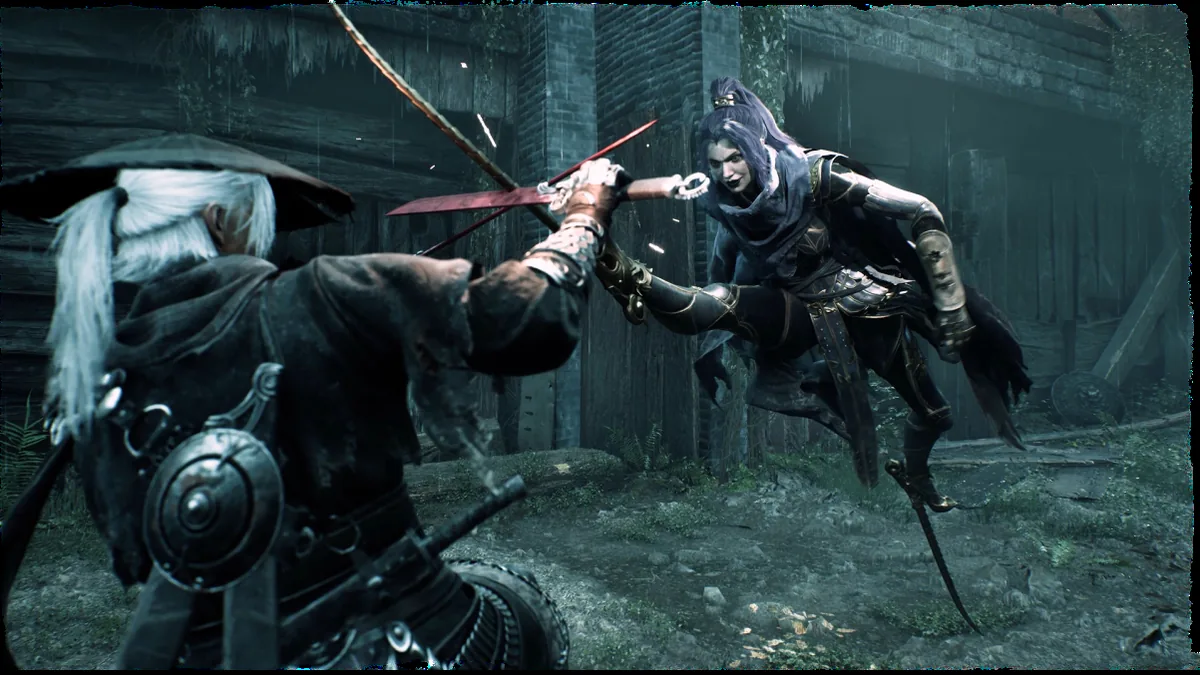
Phantom Blade Zero’s combat rests on two vast systems: an arsenal of 30+ weapons, and Phantom Edges (the weapon-skill system; official Chinese naming to follow) with 20+ unique skills. Add the weapon-stealing mechanic — defeat elites, take their weapons and signature moves — and you get a martial-arts growth system both deep and wide. This article takes weapons and Phantom Edges apart inside and out.
The Weapon System: 30+ Arms, Freely Switched#
The Arsenal’s Breadth#
The studio confirmed 30+ weapons for free switching. That scale spans light blades to heavy polearms across the major wuxia schools — ample room for stylistic choice.
| Weapon style | Representative direction | Tactical traits |
|---|---|---|
| Swift swords | Agile fast attack | High-speed skirmishing |
| Forceful sabers | Frontal heavy hits | High-damage suppression |
| Polearms | Range control | Spacing and kiting |
| Dual-wield | High-speed chains | Combo bursts |
| Exotic arms | Kung-Fu Punk flavor | Special mechanics |
The specific weapon list, attributes and acquisition await official reveal. These are type-level generalizations.
The Tactical Value of Free Switching#
“Free switching” is not decoration — it is one of the core mechanics. It lets you swap weapons in real time as the situation shifts, staying flexible instead of chained to one arm.
| Switch scenario | Tactical response |
|---|---|
| Close-quarters | Swap to fast swords and press |
| Open the spacing | Swap to a polearm and control |
| Guard-break damage | Swap to a heavy saber and accumulate |
| Counter weaknesses | Swap to the counter property |
Phantom Edges: The Freedom of Mixing#
What Are Phantom Edges#
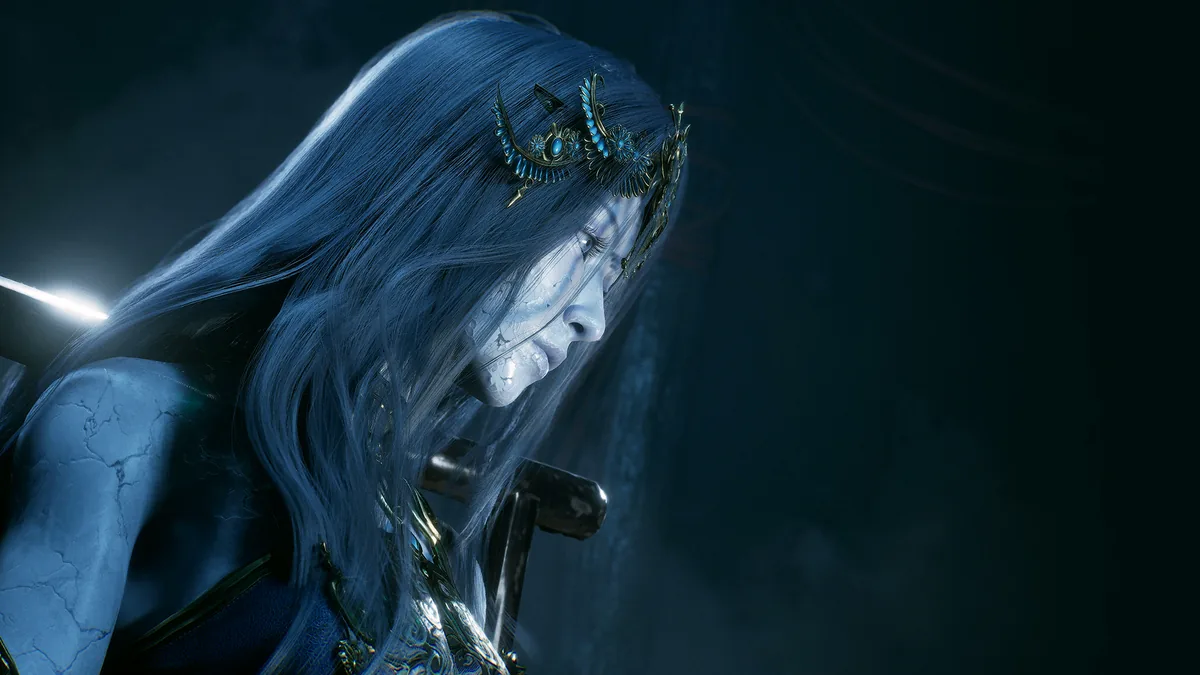
Phantom Edges are PBZ’s signature weapon-skill system: 20+ unique skills to mix freely, customizing your move bursts and combat style.
| Dimension | Description |
|---|---|
| Original name | Phantom Edges |
| Chinese naming | Official reveal to follow |
| Skill count | 20+ unique skills |
| Composition | Free mixing |
| Role | Weapon-specialized burst skills |
Why “Mixing” Has Depth#
Traditional action games hard-bind weapons to skills — you take the preset bundle as-is. Phantom Edges’ mixing works like building blocks: skills from different sources combine into your own combat framework, creating a combo routine uniquely yours.
| Mix idea | Practical effect |
|---|---|
| Burst chains | Dump damage in short windows |
| Control lockdown | Restrict enemy movement |
| Mobility weaving | Flexible positioning |
| Counter setups | Target specific enemies |
How Phantom Edges and Weapons Combine#
Phantom Edges are a skill layer attached to weapons, complementing each weapon’s own moveset. High-level combat flows between “multi-weapon switching” and “Phantom Edges bursts”.
| Combination layer | Tactical role |
|---|---|
| Weapon basics | Core output and openers |
| Phantom Edges | Skill bursts and style |
| Weapon switching | Answer different enemies |
| Steal to expand | Grow the moveset |
Weapon-Stealing: Claim the Enemy’s Signature Arts#
What Defeating Elites Means#
One of PBZ’s most ambitious designs: defeat a strong enemy and take their weapon and signature moves. Every high-intensity fight becomes not just a checkpoint but an act of “martial-arts collecting”.
| Steal reward | Meaning |
|---|---|
| Weapons | Expand your arsenal |
| Signature moves | Gain unique skills |
| Combat style | Widen the ways you can play |
| Collector satisfaction | Elites become the source of your library |
The Explore-Challenge-Reward Loop#
Weapon-stealing chains “discover an elite” → “battle and win” → “claim the art” into a positive loop. Players chase coveted weapons and moves by seeking out stronger enemies — a healthy intrinsic drive.
| Stage | Content |
|---|---|
| Discovery | Find a rare, powerful foe |
| Challenge | Invest skill and resources |
| Victory | Overcome the elite |
| Claim | Take the weapon and signature moves |
Stealing Meets NG+#
The mechanic binds deeply with “NG+ bosses unlock extra combat phases”: NG+ elites gain new phases — meaning the NG+ versions are not only stronger but may hide more arts to steal.
| Playthrough | Stealing angle |
|---|---|
| First run | Collect the base weapons and moves |
| NG+ | Fight the added phases, claim higher arts |
| Growth | The martial library deepens per run |
Growing Your Martial Style#
From Weapon Choice to School Identity#
Through a main weapon, Phantom Edges loadout and stolen arts, you gradually fix your own martial school. It is not instant — it personalizes with every fight.
| Growth dimension | Role |
|---|---|
| Weapon selection | Sets the base style |
| Skill pairing | Sets the burst gameplay |
| Steals | Expand move options |
| Practice | Finalize the personal school |
Likely Schools (Inferred)#
Combining weapon types with Phantom Edges mixing, a few plausible school directions (for reference):
| School | Loadout idea | Gameplay |
|---|---|---|
| Speed rush | Fast sword + high-speed skills | High-tempo suppression |
| Burst | Heavy saber + high-damage skills | Short-window dumping |
| Control | Polearm + control skills | Hold the spacing |
| Mobility | Dual-wield + repositioning skills | Flexible weaving |
| Collector | Steal broadly | Ever-shifting style |
Growth Resources for Weapons and Skills#
Official specifics on progression were still thin before launch, but the “free switching, free mixing” direction implies you will obtain weapons and skills by defeating elites, completing quests and exploring — a “collect → configure → practice” loop.
| Resource source | Notes |
|---|---|
| Elite kills | Weapon-stealing |
| Side quests | Rare skills |
| World exploration | Hidden armories |
| Story progress | Stronger weapons |
These progression details are inferred; official information prevails.
The Community Debate Over the Name#
Fan renderings of “Phantom Edges” in Chinese ran hot through the pre-release months. Some read it as “phantom blade”, others as “gap-technique” or “spirit-blade art”. Editorial reminder: these are fan translations — the in-game official term prevails, so do not treat them as canon.
| Common community renderings | Notes |
|---|---|
| Phantom blade (huanying zhiren) | Literal fan translation |
| Spirit-blade art (lingren ji) | Fan interpretation |
| Gap-technique (xijian ji) | Creative fan rendering |
| In-game official term | Prevails over fan renderings |
Why “Phantom Edges”#
From the English construction, “Phantom” plus “Edge” suggests qualities of being uncatchable and striking from nowhere to win — echoing the wuxia ideal of winning by presence and surprise.
| Word | Implication |
|---|---|
| Phantom | Elusive, untraceable |
| Edge | The blade; the winning margin |
| Together | Surprise-attack trump cards |
| Role | Stylized combat bursts |
Building Your Own Martial Art#
For personalization-minded players, the editors distilled a universal build path:
| Step | Notes |
|---|---|
| Pick a direction | Speed rush or suppression? |
| Choose the main weapon | One that matches the direction |
| Pair Phantom Edges | Style-matching skills |
| Adjust in practice | Fine-tune by feel |
| Keep optimizing | Expand with every steal |
Never Ignore “Feel and Rhythm”#
The final ingredient is your own feel and rhythm preference. The same loadout plays completely differently in a steady-builder’s hands versus a speed-demon’s — exactly what makes this customization system charming.
| Player preference | Martial direction |
|---|---|
| Likes steady | Defense and control |
| Likes fast | High-speed chains |
| Likes burst | Short-window damage |
| Likes variety | Multi-school switching |
Loadout Trade-Offs: 30 Weapons, Not All Equipped#
Owning 30+ weapons does not mean equipping them all. Real masters curate: which weapons stay in the bag, which skills stay on the bar — that is its own discipline.
| Curation principle | Notes |
|---|---|
| School fit | Equip what matches your play |
| Counter the enemy | Bring the counter to today’s foe |
| Weight limits | Balance carried quantity |
| Skill slots | Curate the permanent skills |
A Martial Art That Grows With the Story#
As the main story advances and steals accumulate, your arsenal and skill library enrich, and your combat evolves from single-note to multi-voiced. The “the more you fight, the more you have; the more you have, the better you fight” curve is the charm of this progression.
| Growth stage | Martial state |
|---|---|
| Entering the jianghu | Limited weapons and skills |
| Finding the groove | Weapon switching fluent |
| Martial maturity | Phantom Edges mixing set |
| School grandmaster | A signature style of your own |
Closing#
Saying “thirty-plus weapons” is easy; what actually makes PBZ’s combat fun is the design that braids weapons, Phantom Edges and weapon-stealing into one rope. It invites you to collect, to mix, to forge your own martial school rather than lock into a preset combo. For players who crave buildcraft and expressive freedom, this weapons-plus-Phantom-Edges system is not to be missed in the released game.