Combat System Explained#
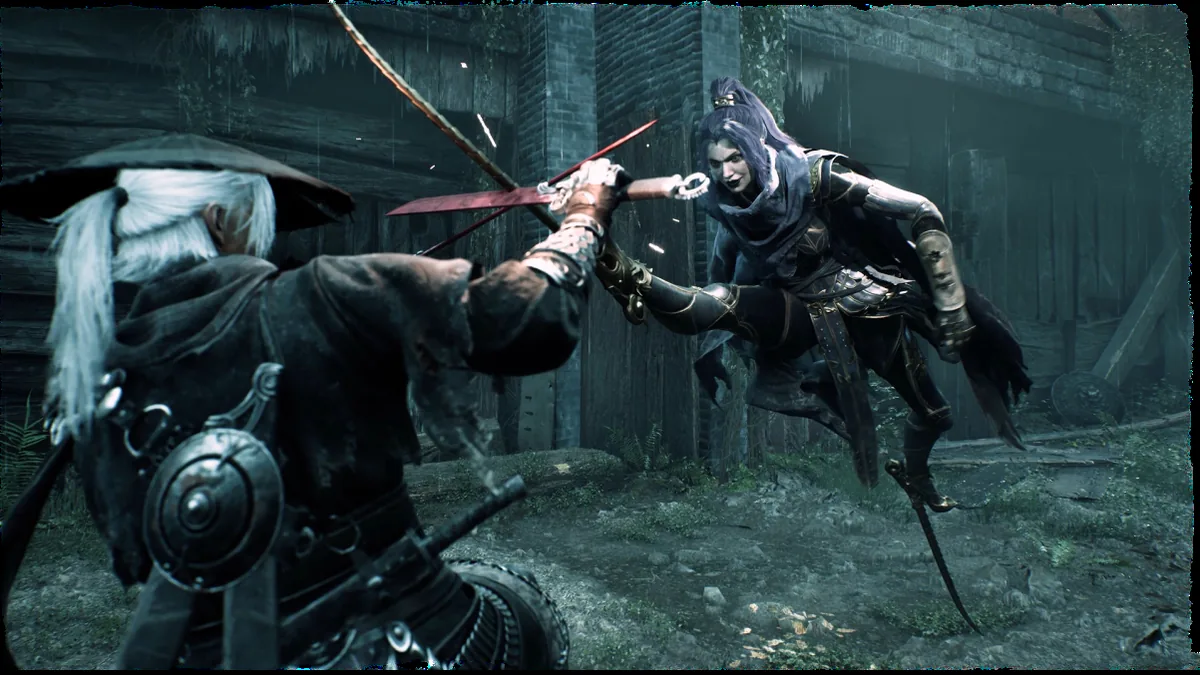
What excites action players most about Phantom Blade Zero is its explicit “non-soulslike” combat identity. Hands-on feedback describes it as “like Black Myth: Wukong but not a soulslike” — faster tempo, freer combos. This group breaks down the system’s three pillars: weapons and Phantom Edges, the fast-tempo combat philosophy, and boss fights with new-game-plus extra phases.
Group Navigation#
This is the “Combat System” section, containing three deep-dive articles:
| Article | Path | Content |
|---|---|---|
| Weapons and Weapon Skills (Phantom Edges) | /en/phantom-blade-zero/combat/weapons/ | 30+ weapon switches and 20+ Phantom Edges mixes |
| Combat Philosophy: Non-Soulslike Fast Action | /en/phantom-blade-zero/combat/philosophy/ | Differences from soulslikes, free combos, suppression tempo |
| Boss Fights and NG+ Extra Phases | /en/phantom-blade-zero/combat/bosses/ | Elite design, weapon-stealing, NG+ additions |
The Three Pillars#
| Pillar | Core | Highlight |
|---|---|---|
| Weapon system | 30+ freely switchable weapons | Covers many martial schools |
| Phantom Edges | 20+ mixable weapon skills | Free move composition |
| Combat philosophy | Non-soulslike, fast tempo | Free combos, suppression-first |
The pillars interweave: weapons define your martial style, Phantom Edges define your burst, and the philosophy sets the tempo you fight at. Expanded one by one below.
Weapon System Overview#
Varied Weapon Types#
Phantom Blade Zero offers 30+ weapons for free switching — swords, sabers, poles, dual-wield and other mainstream wuxia arms — the foundation for different combat styles.
| Weapon type | Style lean | Best use |
|---|---|---|
| Swords | Agile and swift | Fast hit-and-run |
| Sabers | Heavy and forceful | Frontal suppression |
| Spears / poles | Range control | Spacing and kiting |
| Dual-wield | High-speed chains | Combo bursts |
The specific weapon list and attributes await official reveal. These are type-level generalizations.
What Free Switching Means#
“Free switching” means swapping weapons in real time during combat, changing your approach for different enemies and different phases. Compared to a locked single weapon, this opens far more tactical dimension.
| Switch scenario | Use |
|---|---|
| Close-range rush | Swap to fast swords and press in |
| Open the distance | Swap to a pole and control space |
| Guard-break burst | Swap to a heavy saber for damage |
| Counter-picking | Swap to the counter property |
The Phantom Edges System#
What Are Phantom Edges#
Phantom Edges are Phantom Blade Zero’s unique weapon-skill system (official Chinese naming to follow). They provide 20+ unique skills to mix and match, making move composition genuinely free.
| Dimension | Description |
|---|---|
| Count | 20+ unique skills |
| Form | Weapon-specialized skills |
| Composition | Freely mixable |
| Role | Move bursts and style expression |
The Freedom of Mixing#
The mixable nature means you can mount differently styled skills on one combat framework and build your own combo routines — a huge space for expressing a personal fighting style.
| Mix direction | Effect |
|---|---|
| Burst flow | High damage in short windows |
| Control flow | Restrict enemy movement |
| Range flow | Fight at a distance |
| Mobility flow | Flexible weaving movement |
Phantom Edges and Weapon Skills Together#
Phantom Edges attach to weapons and complement each weapon’s own moveset. A complete high-level fight is usually the combination punch of “multi-weapon switching + Phantom Edges bursts”.
| Composition layer | Tactical role |
|---|---|
| Weapon basics | Core output and openers |
| Phantom Edges | Skill bursts and style |
| Tactical switching | Answer different enemies |
| Weapon-stealing | Expand the moveset |
The Philosophy: Why Non-Soulslike#
Hands-on players are explicit that Phantom Blade Zero is “like Black Myth: Wukong but not a soulslike”. It rejects the patient, reactive soulslike rhythm in favor of offensive suppression and free combos.
| Dimension | Soulslike | Phantom Blade Zero |
|---|---|---|
| Tempo | Slow, cautious | Faster, suppression |
| Survival | Defense-first, stamina-hungry | Offense-first, output racing |
| Combos | Restrained | Free and open |
| Resource | Stamina management | Multi-weapons + skills |
Full breakdown in the dedicated Combat Philosophy article.
Boss Fights and Elite Design#
The elites and bosses are the hardest test of a player’s combat understanding. Defeating them yields their weapons and signature moves — every high-intensity fight pays tangible rewards.
| Boss-fight highlight | Description |
|---|---|
| Weapon-stealing | Beat elites, take their weapons and moves |
| Signature moves | Claim the enemy’s trademark techniques |
| Hardcore difficulty | Tests true combat understanding |
| Reward loop | Spoils feed exploration |
NG+ Extra Phases#
Especially worth anticipating: the studio confirmed NG+ bosses unlock additional combat phases. NG+ elites are not just stat-boosted — they gain new phases, forcing players to re-fight at a higher level of understanding.
| Playthrough | Experience difference |
|---|---|
| First playthrough | Learn the moves |
| NG+ | Bosses gain extra phases; the challenge deepens |
| Meaning | Real replay value |
Full analysis in the dedicated Boss Fights article.
Combat’s Links to Story and Exploration#
Combat does not live isolated in levels. The 66-day design shapes your fight-or-skip choices, side NPC choices change level enemy setups, and weapons seized from elites feed back into your style.
| Link | Description |
|---|---|
| The countdown | Shapes whether an elite is worth fighting |
| Side choices | Change level enemies and difficulty |
| Weapon growth | Battle results feed your style |
| World exploration | Combat resources tie into exploration |
The Learning Curve#
A good combat system has a clear curve from pickup to mastery. From the available intel, the editors chart a likely path:
| Stage | Learning focus |
|---|---|
| Pickup | Basic combos and dodges |
| Progression | Try multi-weapon switching |
| Burst | Master Phantom Edges combinations |
| Mastery | Weapon-stealing plus NG+ practice |
Is the Fast Tempo Too Hard for Newcomers?#
Non-soulslike speed worries action newcomers. But from hands-on feedback, the free-combo design gives players room — even imperfect execution flows, making it relatively friendly to beginners.
| Player type | Pickup feeling |
|---|---|
| Action veterans | Fast tempo is home water |
| Wuxia fans | Free combos are a joy |
| Action newcomers | Free combos offer decent tolerance |
| Soulslike veterans | Need to adapt to suppression tempo |
Style Reference Points#
While waiting for complete official information, comparable titles help position Phantom Blade Zero on the action spectrum:
| Reference | Action style | Relation to PBZ |
|---|---|---|
| Black Myth: Wukong | Move-trading, reactive | Similar aura but PBZ is faster |
| Sekiro | Deflect-based dueling | Similar precision, freer combos |
| Devil May Cry series | High-freeform combos | A direction to reference |
| Ninja Gaiden series | High-speed suppression | A suppression analog |
Editorial reference points only, not official positioning; official information prevails.
Resource Trade-Off Thinking#
The exact resource-bar design deserves an in-game look, but the “non-soulslike + free combos” direction suggests a softening of the classic stamina-punishment in favor of positive combo-building. The player trade-off lives between “output suppression” and “defensive self-preservation”.
| Trade-off | Description |
|---|---|
| Brave suppression | High-risk, high-reward combos |
| Careful self-preservation | Lower risk, safer survival |
| Combo building | Trade offense for resources |
| Timing judgment | When to hold, when to release |
Practical Combat Advice#
Based on current combat intel, four practical suggestions ahead of launch:
| Advice | Notes |
|---|---|
| Practice switching | Weapon switching is the core skill |
| Compose skills | Mix and match your Phantom Edges |
| Dare to suppress | Fast tempo rewards the initiative |
| Watch for steals | Every elite is a martial-arts treasury |
Everyone Gets Their Own Routine#
The greatest charm of PBZ combat is “freedom”. It encourages you to fight your own way rather than follow a fixed moveset — that freedom is the core selling point separating it from traditional soulslikes.
| Freedom | Player benefit |
|---|---|
| Weapon freedom | Change style anytime |
| Skill freedom | Mix and match |
| Tempo freedom | Your own speed |
| Expression freedom | Your own combat |
FAQ#
| Question | Answer |
|---|---|
| Is the combat soulslike? | Officially non-soulslike, faster tempo |
| How many weapons? | 30+, freely switchable |
| What are Phantom Edges? | The weapon-skill system; official naming to follow |
| Can I steal enemy moves? | Yes — defeat elites to take them |
| What’s new in NG+? | Bosses unlock extra combat phases |
| Is controller play friendly? | Awaiting official information |
| Is combat fast? | Yes — suppression-first free combos |
| Hard for beginners? | Free combos are relatively friendly |
Closing#
Phantom Blade Zero’s combat system brims with the ambition to hit “faster, freer, more satisfying”. 30+ weapons, 20+ Phantom Edges, non-soulslike free combos, weapon-stealing and NG+ extra phases give the system breadth, depth and aftertaste. The next three articles take each pillar apart in detail.