Character Analysis#
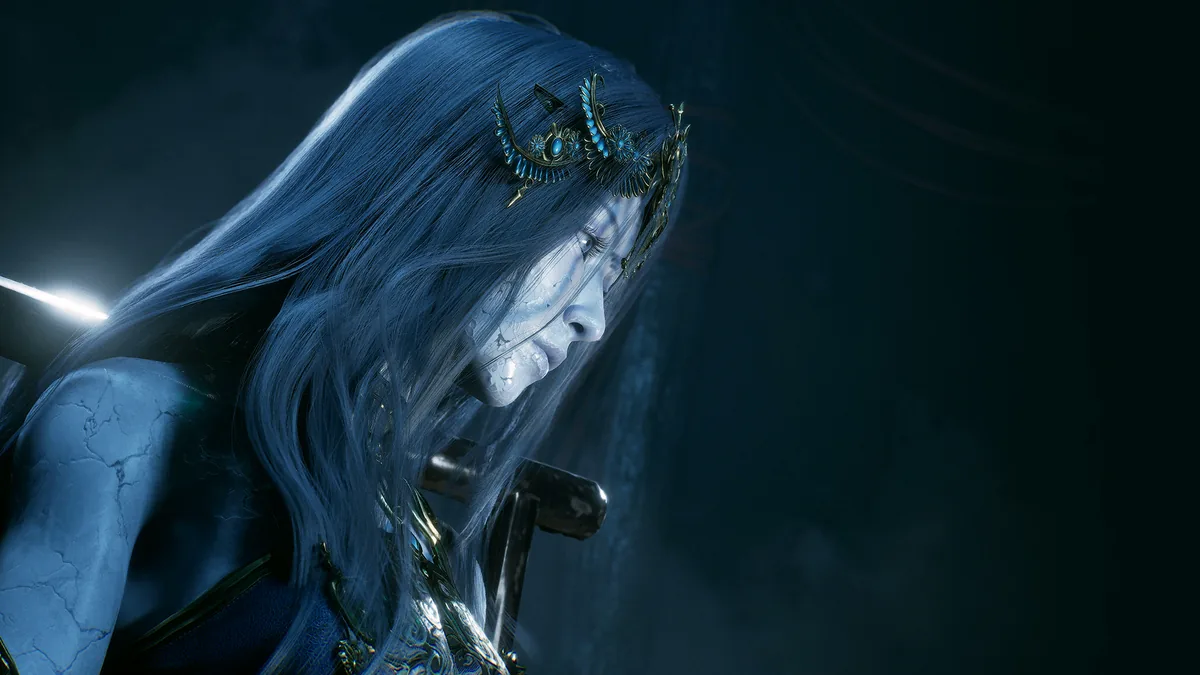
Phantom Blade Zero is a wuxia drama driven by “people”. Half of its dramatic tension comes from conspiracy; the other half comes from its characters — above all the protagonist pushed to the edge of survival (English name Soul). This group focuses on the character level: the protagonist’s road of vengeance and the web of grudges around him.
Group Navigation#
This is the “Character Analysis” section, containing the following article:
| Article | Path | Content |
|---|---|---|
| The Protagonist Soul’s Road of Vengeance | /en/phantom-blade-zero/characters/soul/ | From a framed swordsman to a avenger trading his life to find his heart |
Note: the studio has only confirmed the protagonist’s (English name Soul) design so far; full details on the supporting cast are not yet public. This piece centers on the protagonist and makes reasonable inferences about key figures from the known worldview (for reference only; official information prevails).
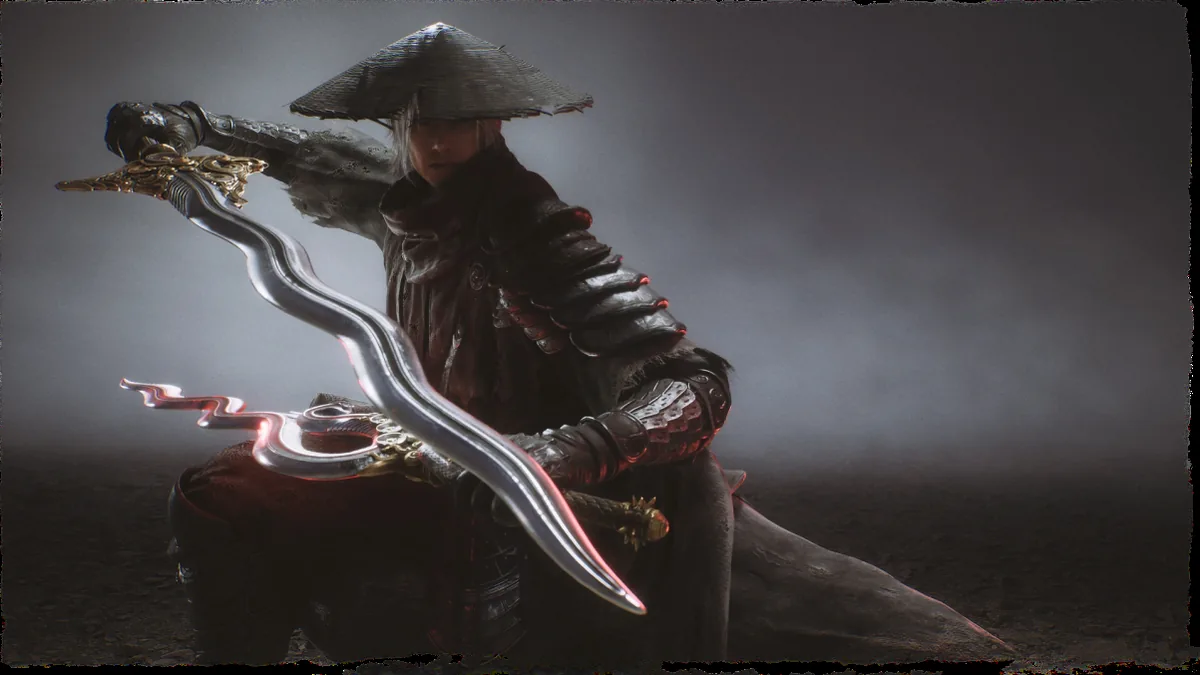
The Protagonist (English Name Soul): One-Line Profile#
The protagonist is a swordsman framed for killing his master. He is not a traditional hero — he is an avenger trapped between a dying body and a false accusation:
| Attribute | Protagonist profile |
|---|---|
| Identity | A swordsman framed for his master’s murder |
| Physical state | Heart mortally wounded; 66 days left to live |
| Situation | Hunted by his former schoolmates; the whole world against him |
| Goal | Shatter the conspiracy, trade his life to find his heart and clear his name |
The design carries a dual aura of tragedy and grit. He must bear both his body’s decay and the collapse of loyalty — the classic wuxia protagonist “cornered by fate who refuses to surrender”.
The Road of Vengeance#
The revenge is not simple catharsis — it is a journey boxed in by the 66-day countdown. The main threads:
| Thread | Description |
|---|---|
| Clear his name | Expose the frame-up and reclaim innocence |
| Cut down his hunters | Face the former schoolmates hunting him |
| Hunt the true culprit | Follow the conspiracy toward the hand behind it |
| Find his heart with his life | At the end of a dying clock, recover the swordsman’s way |
The Growth Arc Inside the Vengeance#
One thing to look forward to: how the protagonist’s temperament changes through the revenge. From grief-stricken flight, to unraveling the conspiracy and seeing every faction clearly, to finally choosing “to prove his way with his life” — that arc should be the story’s soul.
| Stage | State of mind |
|---|---|
| Opening | Grief, confusion, crushed by injustice |
| Middle | Truth seen clearly; vengeance firm |
| Turn | The sword-heart rekindled in despair |
| Endgame | Finding his heart with his life; self-completion |
The Key-Figure Map#
Around the protagonist, the editors assembled preliminary character shapes from the known worldview (identities await official reveal):
Former Schoolmates / The Hunters#
| Relationship | Inference |
|---|---|
| The estranged schoolmate | Hunting in the name of righteousness — possibly a pawn |
| The once-brother-in-arms | Allegiance flipped by the conspiracy |
| The clear-eyed one | Doubts the hunt — a potential variable |
| The sect leadership | Likely the order-giver or a conspirator |
The Factions’ Players#
| Figure type | Possible role |
|---|---|
| The hand behind it | The true puppeteer of the board |
| The neutral master | Offers side paths and choices |
| The street-level folk | Carry the jianghu’s warmth and information |
| The machine-smiths | Shapers of the Kung-Fu Punk world |
Why the Character Design Stands Apart#
Phantom Blade Zero’s character design has a clear leaning: refuse the flawless hero. The protagonist runs on a dying body under a false name, racing the clock for bare survival. That brokenness and struggle separate him from the level-up-and-smash caricature.
| Trait | Description |
|---|---|
| Imperfect | Dying, wounded, defamed |
| Unfree | Boxed in by countdown and conspiracy |
| Unyielding | The lone courage of proving a way with his life |
| Human | Real struggle between emotion and duty |
Character Tension Through Combat#
The tension also lives in the combat design. Relentless sword chains, techniques stolen from stronger enemies, visible panting breaths — the protagonist’s fighting carries the flavor of a man gambling his life. That physicality keeps him from being a paper doll in a pretty costume; he is someone genuinely fighting to stay alive.
| Combat expression | Character meaning |
|---|---|
| Desperation chains | Trading a dying clock for survival |
| Breathing moments | A realistic body failing in real time |
| Weapon-stealing | Seizing life back from the enemy |
| Move style | A mirror of mindset and personality |
Echoes of Black Myth: Wukong#
Speaking of tragedy and desperation, many players will think of the fated pilgrim in Black Myth: Wukong. There is a real kinship — both are Eastern action protagonists wrapped by fate, searching for divinity or the sword-way in desperation. But the routes differ: Wukong breaks out of a mythic destiny; Soul (English name) walks a grounded jianghu of grudges under a dying clock.
| Dimension | Black Myth: Wukong | Phantom Blade Zero protagonist |
|---|---|---|
| Subject | Journey to the West mythology | Dark wuxia |
| Fate | Mythic destiny | Dying clock + false accusation |
| Combat | Staff stances | Multiple weapons + Phantom Edges |
| **Emotional core | The search for divinity | Proving the sword-way |
How Supporting Characters Carry the Plot#
A strong protagonist needs strong foils. Official details were still thin before launch, but from the worldview, schoolmates, conspirators and neutral sects all carry narrative functions that prop up the road of vengeance.
| Supporting function | Effect on the protagonist |
|---|---|
| Mirror | Reflects his choices |
| Thrust | Pushes the plot forward |
| Resistance | Adds twists to the revenge |
| Redemption | Supplies emotional warmth |
Side Characters Change Levels#
Per official information, side NPC choices directly change level experiences. Supporting characters are not wallpaper: every alliance or feud materially alters later levels, making relationships real gameplay.
| Side character | Possible level change |
|---|---|
| Neutral NPC | Joins the fight after an alliance |
| Hostile party | Triggers a hunt after a feud |
| Informant | Provides routes and secret-area leads |
| Key story figure | Unlocks new level branches |
The Motif: Brokenness and Redemption#
Across S-GAME’s Rainblood and Phantom Blade series, one creative motif runs through everything — “brokenness and redemption”. Characters open with some lack (body, identity, emotion) and seek redemption or self-completion in despair. Soul is the motif’s culmination: physical brokenness (a shattered heart), identity brokenness (a master-killer’s name), emotional brokenness (schoolmates turned hunters) — three dead ends at once.
| Dimension | The protagonist’s plight | Direction of redemption |
|---|---|---|
| Body | Shattered heart, 66 days left | Find his heart with his life |
| Identity | Master-killer’s infamy, public enemy | Clear the frame-up |
| Emotion | Schoolmates turned enemies | Recover the way of loyalty |
| Belief | Trapped in conspiracy, nowhere to belong | Prove the way with his body |
Is This Good Design?#
From an editorial view, this “brokenness + redemption” shaping is exactly what separates Phantom Blade Zero from the number-stacking power-fantasy mold. Every sword swing is not for spectacle but for one more breath of survival and dignity in despair. What you play is not “the invincible chosen one” — it is “a man who will spend his dying clock to walk to the end on his feet”.
| Design strength | Player value |
|---|---|
| Strong empathy | Easier to inhabit the plight |
| Real growth | Change has grounding |
| Dense emotion | Choices carry weight |
| Real tension | Bursts in despair land harder |
Who Pushes the Protagonist Forward#
Revenge is never a solo act. Beyond enemies and conspiracies, what truly drives him forward are the faint-glow figures — a street healer who hands over medicine, a passerby who speaks one fair word for him, an opponent who respects his swordplay even on opposite sides. These people are the rare warmth on his road.
| Warm-figure type | Function in the story |
|---|---|
| The life-saver | Offers one thread of survival |
| The fair voice | Comforts the misunderstood isolation |
| The respectful rival | Makes combat gain and loss real |
| The loyal servant | Accompanies the lonely flight |
Scarcity of Warmth Is Strength#
In a jianghu of betrayal and conspiracy, warmth is scarce — and the scarcer, the more precious. S-GAME understands this: amid crushing cold, one or two warm points become the emotional anchor that moves people most. That is why side characters with limited screen time often leave the deepest mark.
| Emotional design | Effect |
|---|---|
| Overall bleakness | Builds pressure and grief |
| Local warmth | Creates contrast |
| Despair-side warmth | Amplifies resonance |
| Shared honor | Deepens the wuxia theme |
From Character to Combat Style#
Personality externalizes through moves. Soul’s “survive at all costs” hunger should show in fast-tempo, multi-weapon, weapon-stealing combat — not elegant control but all-in fighting aesthetics.
| Personality trait | Combat externalization |
|---|---|
| Tenacity | High-intensity combo output |
| Survival instinct | Fluid multi-weapon switching |
| Vengeance | Stealing the enemy’s own techniques |
| Lone courage | Fast-tempo suppression |
FAQ#
| Question | Answer |
|---|---|
| What is the protagonist’s Chinese name? | Not announced; we uniformly write “the protagonist (English name Soul)” |
| Are there other playable characters? | Awaiting official information |
| Are supporting-character details out? | Many details await official reveal |
| How does the power system work? | See the combat system guide |
| Are there romance lines? | Awaiting official information |
| Can side characters change levels? | Yes — officially confirmed |
| How does personality show in combat? | As fast-tempo, life-gambling fighting |
Closing#
Phantom Blade Zero’s protagonist is the most precious “human” in all this shattered conspiracy. On a dying body under a false name, he struggles through a 66-day countdown, hunting the truth and his own vindication. He is not a perfect hero — he is the most flesh-and-blood avenger. In the next article, we walk this road of finding his heart with his life alongside him.