The Evolution of Chinese Wuxia Game Art#
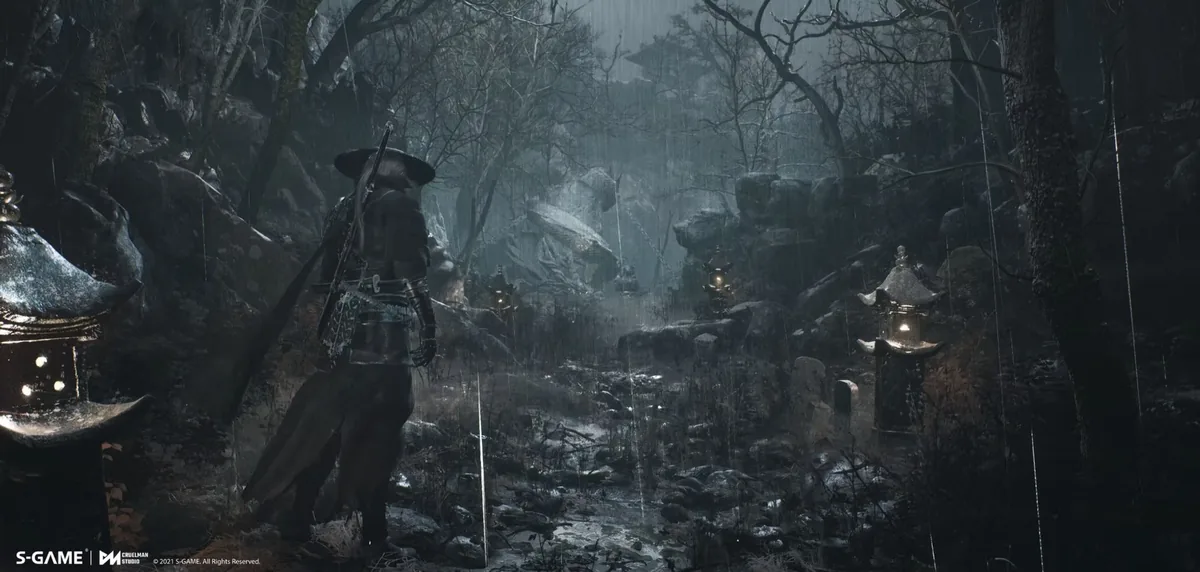
Hi, I’m Zhanlan Yingren. Having watched from The Legend of Sword and Fairy through Black Myth: Wukong and on to today’s Phantom Blade Zero, these two eyes of mine have seen decades of change in Chinese wuxia game art. This article walks back down that evolution road as an old player, then asks where Phantom Blade Zero stands on it.
Where It Began: The Paladin Era#
Pixels and Ink-Wash Dreams#
In memory, Chinese wuxia art entered households with The Legend of Sword and Fairy (Xianjian). In that tech-starved era, a grid of pixels, a portrait, a couple of ink strokes were enough to carry a generation’s entire imagination of the xianxia world.
| Era | Art traits | Representative works |
|---|---|---|
| Early | Pixels, portraits | The Legend of Sword and Fairy |
| Golden age | Realistic + ornate | Hosts of xianxia MMOs |
| Mature | High-quality rendering | Single-player blockbusters |
| Reinvention | Plural styles | Black Myth, Phantom Blade Zero |
From “Painting Characters” to “Painting Worlds”#
Early wuxia art centered on painting characters — one or two elegant protagonists and several fine portraits were the selling point. As technology advanced, the craft moved from characters to worlds: building atmosphere, constructing a jianghu you could actually play.
| Stage | Notes |
|---|---|
| Paint characters | Early: portraits lead |
| Paint scenes | Mid: environments fill in |
| Paint worlds | Later: complete visual systems |
| Paint aesthetics | Now: independent styles pursued |
The Realist Line: From MMOs to Blockbusters#
If the early years were xianxia’s romantic imagination, the growing Chinese wuxia scene walked ever further down the realist road. Hosts of xianxia MMOs polished gufeng and stacked glow into a mature vocabulary of “Chinese realistic wuxia.”
| Realist stage | Traits |
|---|---|
| MMO era | Ornate effects, beautiful characters |
| Spec-stacking realism | Materials and detail upgraded |
| Unified vocabulary | Gufeng realism becomes mainstream |
| The bottleneck | Homogenization nears saturation |
The Realists’ Achievement and Ceiling#
That gufeng-realist vocabulary raised the polish of Chinese wuxia enormously — but it also drifted into a homogenized bottleneck: everyone’s art looked alike, short of true eye-catching identity. Not until Black Myth: Wukong arrived did “stylization” climb back onto the stage.
| Bottleneck | Break |
|---|---|
| Homogenization | Stylization seeks change |
| Polished but faceless | Recognition pursued |
| Effect-stacking | Turn toward narrative mood |
| Gufeng inbreeding | Bold rule-breaking |
Black Myth: Wukong — A Visual Revolution in Myth#
As art editor, I still remember the visual shock of Black Myth: Wukong. With extreme art quality it turned the Journey to the West myth into a playable Eastern fantasy scroll — truly “painting the myth.”
| Dimension | Black Myth: Wukong’s art |
|---|---|
| Subject | Journey to the West mythology |
| Style | Realism + Eastern fantasy |
| Texture | High detail, high spec |
| Mood | Fantasy and desolation in balance |
It Reset the Art Bar for Chinese Action#
The game’s greatest contribution was proving Chinese action games could reach international art standards. It showed the world the visual ceiling of Chinese wuxia action — and paved the road for Phantom Blade Zero: players began to expect “Chinese wuxia can look this good.”
| Contribution | Meaning |
|---|---|
| Set the bar | International-grade art |
| Stretched imagination | What myth subjects can look like |
| Changed the climate | Energized Chinese action |
| Paved the road | Raised expectations for successors |
Link: Black Myth: Wukong. Referred to hereafter by its English name only.
The Present and the Roads Ahead#
After Black Myth paved the way, the future of Chinese wuxia art opened onto more possibilities. Some keep polishing realism, some explore Eastern fantasy — and Phantom Blade Zero simply cut a new path, taking Kungfupunk down a stylized route no one had walked.
| Direction | Temper |
|---|---|
| High realism | Detail and texture polishing |
| Eastern fantasy | Romantic imagination |
| Stylization | Independent recognition |
| Kungfupunk | Wuxia + machinery |
From “Looking Like” to “Daring to Differ”#
To me, the most essential evolution of Chinese wuxia art is the move from “doing it as well as foreign blockbusters” to “daring our own style.” Black Myth: Wukong let the world see the beauty of Chinese ink and Eastern mythology; Phantom Blade Zero shouted “I will make what no one has made” with Kungfupunk.
| The essence | Notes |
|---|---|
| Before | Learn, imitate, execute |
| Now | Dare to create an independent style |
| The turn | From following to originating |
| Meaning | Wuxia art goes plural |
The Road So Far: Where Phantom Blade Zero Stands#
Looking back from today, I can place Phantom Blade Zero at a vivid node on this chain: it is the stylized vanguard willing to blend “machinery and Hong Kong flavor” straight into the word wuxia.
| Era | Representative art | Trait |
|---|---|---|
| Xianxia origin | Paladin series | Pixels and ink |
| Realist mainstream | Hosts of xianxia MMOs | Gufeng realism |
| Myth revolution | Black Myth: Wukong | Eastern fantasy |
| Kungfupunk | Phantom Blade Zero | Wuxia + machinery |
Perhaps Opening a New Node#
If Black Myth: Wukong raised Chinese wuxia art to international standards, Phantom Blade Zero’s Kungfupunk tries to stack “originality” on top of “standards” — and may well become an important pathfinder for the new category of “Eastern future wuxia.”
| Node meaning | Notes |
|---|---|
| Opens a category | Eastern future wuxia |
| Originality stacked | Uniqueness on top of standards |
| Sets a trend | Encourages stylized exploration |
| Possibility | A new road for Chinese art |
My Three Impressions#
As the art editor who watched all of this happen, three impressions worth sharing:
| Impression | Notes |
|---|---|
| Staggering progress | From pixels to today’s level |
| Daring to change | Styles ever more plural |
| A promising future | True flowering ahead |
From Looking Up to Being Looked Forward To#
We used to look up at foreign benchmarks; today players look forward to Chinese works’ own visual language. That identity shift — from looking up to being anticipated — is the most heartening stroke in this evolution.
| Shift | Notes |
|---|---|
| Past: looking up | Following foreign standards |
| Present: standing tall | Building own vocabulary |
| Future: anticipated | Players place high hopes |
| The confidence | Stylish blockbusters emerging |
How Character Design Changed#
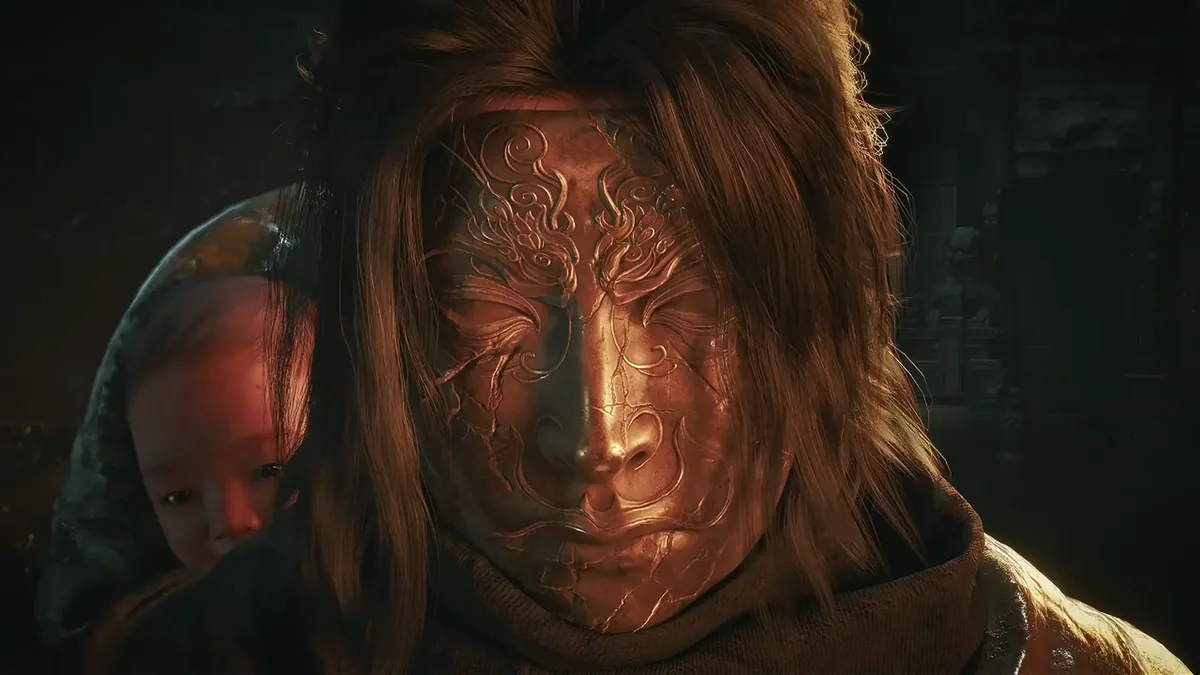
Looking closer, character design’s evolution is its own show. From the classic topknot-and-robe swordsman, to ornate xianxia robes, to Phantom Blade Zero’s new image of “classical swordsman + mechanical gear” — design changes record changing tastes.
| Era | Design traits |
|---|---|
| Early | Classic topknots and robes |
| Xianxia era | Ornate feathered garments |
| Realist era | Careful armor and armament |
| Kungfupunk | Classical swordsman + machinery |
From “Pretty” to “Has Character”#
Early design aimed at “looking good” — fitting the protagonist was enough. Modern art pursues “having character”: design should read out a character’s origin, stance, and fate. The mechanically geared swordsman of Phantom Blade Zero tells you his situation and temperament at one glance.
| Design pursuit | Notes |
|---|---|
| Good-looking | Early aesthetic center |
| Character | Modern art’s pursuit |
| Narrative | Design tells stories |
| Readability | One glance knows the person |
How Scene Art Evolved#
Scenes are where wuxia art improved fastest. From simple village lanes to UE5-rendered grand jianghu, scene progress drove the immersion of the whole world.
| Scene era | Presentation |
|---|---|
| Early | Simple flat scenes |
| Realist era | Richly detailed scenes |
| Blockbuster era | Grand-scale scenes |
| Kungfupunk | Mechanism-dense scenes |
From “Backdrop” to “World”#
Early scenes were backdrops for fights; today scenes are worlds you can enter, explore, and read. Mechanisms, passages, and caches are both scenery and gameplay — the highest form of scene evolution: the world truly came alive.
| Scene stage | Meaning |
|---|---|
| Backdrop | Passive early stage |
| Explorable | Mid-era interactive space |
| Narrative-capable | Later: carries story |
| Living world | Kungfupunk’s scenes |
One Suggestion for Newcomers#
If you are just getting into Chinese wuxia art, follow this line through several landmarks: early Paladin, the realist xianxia MMOs, then Black Myth: Wukong and Phantom Blade Zero. You will see clearly how the art stepped its way to today.
| Suggestion | Benefit |
|---|---|
| See the landmarks | Build the timeline fast |
| Compare vertically | See the trajectory |
| Read them in era | Understand each context |
| Watch with expectation | Taste where it heads |
FAQ#
| Question | Answer |
|---|---|
| Where did Chinese wuxia art start | With Paladin’s pixels and portraits |
| Did it go through homogenization | Yes — gufeng realism once inbred |
| Black Myth’s significance | Raised Chinese art to international standard |
| Where does Phantom Blade Zero sit | Dares stylized reinvention via Kungfupunk |
| What next | More plural, more willing to originate |
| Is this art history | An important visual evolution node |
| What should players watch | Stylized innovation |
| Is it opening a new category | Possibly — pathfinding “Eastern future wuxia” |
Closing Thoughts#
Looking back on this road — from pixels and ink, to international standards, to daring to differ — I am moved by the progress and excited by what’s ahead. Phantom Blade Zero stands at this node with Kungfupunk; it may not be perfect, but that audacity to be different is the most blood-warming part of the whole story. May we together witness Chinese wuxia art bloom into more flowers of its own.