Phantom Blade Zero Wuxia Art Appreciation#
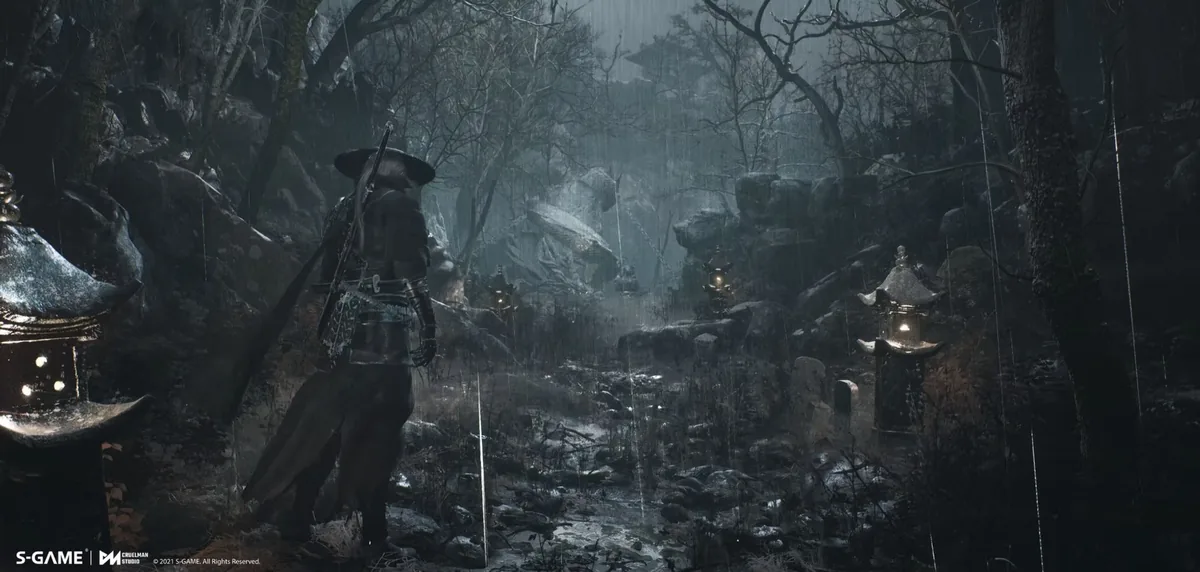
Hi, I’m Zhanlan Yingren. As this site’s art editor — and an old player who has marched from The Age of Toys all the way to World of Warships — what I care about most in any wuxia game is its “eyes”: the art. When Phantom Blade Zero proclaimed “Kungfupunk,” I was hooked almost instantly: ancient weathered desolation bolted to ahead-of-its-time machinery. That old-meets-new collision is exactly the dish I had been waiting to see. In this art column, I’ll use these two eyes to walk you through the wuxia beauty of Phantom Blade Zero.
Section Navigation#
This section, “Wuxia Art Appreciation,” contains three articles that gradually unpack the game’s visual world:
| Article | Path | Covers |
|---|---|---|
| Kungfupunk Aesthetics Explained | /en/phantom-blade-zero/art/kungfupunk/ | The “kung fu + punk” visual recipe |
| The Evolution of Chinese Wuxia Art | /en/phantom-blade-zero/art/evolution/ | From Paladin to Black Myth to Phantom Blade Zero |
| Art vs Black Myth: Wukong | /en/phantom-blade-zero/art/compare/ | Two generations of Chinese action blockbusters, side by side |
Why Wuxia Art Deserves a Close Look#
Painting the “Qi” of Wuxia#
Half of wuxia’s charm is an unseen “qi,” half is a visible “form.” Truly great wuxia art paints that chill of blade-light, that grim wind, that lone swordsman’s silhouette — stroke by stroke, through color, light, and design. That is what makes the genre’s art so fascinating.
| Art dimension | The wuxia qi |
|---|---|
| Color | Blood red, ink black |
| Light | Cold blade-glints, ember red |
| Design | Lone heroes, armored mechanisms |
| Scenes | Rain-soaked alleys, mechanism towers |
What Makes Phantom Blade Zero Different#
Most wuxia games stay in the comfortable zone of “classical realism,” but Phantom Blade Zero boldly kneads machinery, devices, and metallic craft directly into wuxia, forming its own Kungfupunk aesthetic. Visually, it is a daring break from convention.
| Conventional wuxia | Kungfupunk |
|---|---|
| Classical realism | Wuxia + machinery |
| Traditional blade jianghu | Craft-mechanical intrusion |
| Bright or realistic | Dark + metallic sharpness |
| Weapons center stage | Weapons and devices coexist |
Eyes Fed by Hong Kong Action Cinema#
Whenever Phantom Blade Zero’s combat and art come up, what leaps to my mind first is Hong Kong’s golden-age action cinema — that bone-deep contact, those crossing bodies, the blade-flash and blood. The game’s art twists that Hong Kong flavor together with Kungfupunk’s machinery.
| HK-cinema element | Phantom Blade Zero’s echo |
|---|---|
| Close-quarters combat | The feel of fast combo chains |
| Blood-tinted light | Blood-soaked visuals |
| Urban night | Ruined alleys and mechanisms |
| Sharp tempo | Action design and framing |
Three Angles Worth Your Time#
As art editor, I plan to walk you through the game from three angles:
| Angle | Notes |
|---|---|
| The Kungfupunk recipe | How wuxia and machinery blend into flavor |
| The lineage of Chinese wuxia art | Where it sits in the visual timeline |
| The Black Myth comparison | Visual parallels and divergences of two giants |
I’ll cover each in the three articles ahead. First, the lay of the land.
The Right Mindset for Looking#
When you look at Phantom Blade Zero’s art, drop the “must be realistic” fixation and follow its imagination. This is not a historically strict art style but a visual experiment that boldly fuses wuxia, machinery, and Hong Kong flavor. Approach it as an experiment and you’ll spot a great deal of cleverness.
| Mindset | Reward |
|---|---|
| Drop the fixation | Embrace stylized expression |
| Follow the imagination | Feel the visual punch |
| Watch the details | Spot the wit in devices and arts |
| Enjoy the collision | Savor old and new interwoven |
Reading the Jianghu Through Color#
Color is the eye of art. From the released footage, Phantom Blade Zero’s palette leans dark and intense — broad fields of cold ink-black and low-saturation gray, punctuated by blood red and eerie night blue, building a mood of “killing intent stored in darkness.”
| Palette note | Emotional hint |
|---|---|
| Cold ink black | Oppression, lethality |
| Low-saturation gray | Desolation, wasteland |
| Blood-red accents | Blood-rain, carnage |
| Eerie night blue | Mystery, mechanisms |
The Wuxia Spirit of Red and Black#
In wuxia aesthetics, red is pain and black is solitude. Phantom Blade Zero wields both intensely yet with restraint — not flooding the frame but precisely spotting those touches of red inside darkness, so every blood-flash stings and every blade-shadow stands alone.
| Red-black aesthetic | What it expresses |
|---|---|
| Red | Pain, heroism, carnage |
| Black | Solitude, oppression, secrets |
| Red on black | A jianghu of blood and grief |
| Restrained accents | Sharper impact per flash |
Reading the Duel Through Light#
Light is the emotion of the frame. In Phantom Blade Zero, lighting is not mere illumination but a weapon for building “blade-drawn tension” — cold glints off steel, killing intent stirring in dark mechanism corners, firelight flickering through blood-rain.
| Light scene | Mood |
|---|---|
| Cold blade-glint | The sharpness of sword intent |
| Murder in the dark | The menace of devices |
| Ember firelight | Battle’s cruelty |
| Rainy-night backlight | The silhouette of a lone hero |
Light and the Resonance of “Qi”#
Wuxia’s most elusive “qi” hides in the gaps of light. A thread of moonlight through a broken window, a flash of cold light across flesh, a blaze consuming a ruined alley — each gives visible shape to the invisible. Phantom Blade Zero knows how to paint qi with light.
| Light as qi | Visualization |
|---|---|
| Sword qi | Cold light off the edge |
| Killing intent | Shadows in motion |
| Gang qi | Bursting halos |
| Grudge | Eerie green staining |
Reading Characters Through Design#
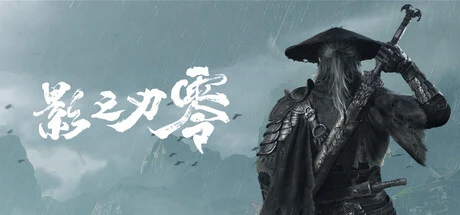
Design is the outer garment of personality. From the released character designs, the game balances classical heroic grace with mechanical hardware — fluttering hems, cold hard armor, clean-bound hair, together building that singular “swordsman-machine” image.
| Design element | Personality expressed |
|---|---|
| Fluttering hems | The lone wanderer’s ease |
| Hard plating | A veteran’s resolve |
| Bound hair | Decisiveness in battle |
| Mechanical fittings | The Kungfupunk base note |
Weapons Are Art Too#
Don’t forget: over 30 weapons. Every weapon and every Phantom Edge is an artistic statement — heavy cleavers, supple blade-spines, device-shaped exotic arms. Each is both combat power and a visual collectible.
| Weapon art | Visual language |
|---|---|
| Heavy cleavers | Ferocity |
| Supple spines | Elegance |
| Exotic devices | Kungfupunk |
| Dual wield | Swiftness |
Reading the Conspiracy Through Scenes#
Scenes are the loudest storyteller. In Phantom Blade Zero’s environments hide the conspiracy’s threads — secrets in mechanism caches, bloodstains telling past carnage, halls rebuilt by some faction’s ambition.
| Scene clue | Hint |
|---|---|
| Mechanism caches | Hidden secrets |
| Blood on ruins | A violent past |
| Remodeled halls | A faction’s ambition |
| Rainy ruined alleys | Nowhere left to run |
Scenes and Levels as One#
Art and level design are highly unified — a mechanism is both visual and gameplay; a dark alley is both mood and battle stage. The art is not a pretty backdrop but a world you can actually play your way into.
| Scene function | Art-meets-play |
|---|---|
| Mechanisms | Visual and puzzle at once |
| Dark alleys | Mood and battlefield |
| Towers | Landmark and challenge |
| Underground palaces | Secret realm and weapon-seizing ground |
A Dialogue with Hard-Boiled Art#
I read Phantom Blade Zero’s art as a dialogue in “wuxia toughness” — no pandering cascades of glow, but darkness, machinery, blood, and iron answering the genre’s demand for edge and menace. That bone-deep masculinity is what separates it from the many “soft and sweet xianxia” works.
| Toughness | Notes |
|---|---|
| No pandering | Rejects glow-stacking |
| Edge first | Killing power emphasized |
| Texture matters | Metal and flesh feel real |
| Martial spirit | A ruthless, clean jianghu |
FAQ#
| Question | Answer |
|---|---|
| What is Kungfupunk | Wuxia fused with machinery, HK-cinema flavor |
| Is the art realistic | Leans stylized and dark |
| Any reference material | Inspiration from Hong Kong action films |
| How does it compare to Black Myth | See the dedicated comparison article |
| Does art affect gameplay | Devices and scenes are gameplay too |
| Good for art lovers | Extremely — the visuals are meticulous |
| Does it use UE5 | Yes, Unreal Engine 5 |
| Is the palette dark | Yes — an intense dark style built on red and black |
| Do character designs stand out | Classical swordsman + mechanical gear |
Closing Thoughts#
As the art editor, I’ll say it plainly: Phantom Blade Zero is one of the boldest Chinese games in recent years at playing visual games with wuxia. “Kungfupunk” is not a gimmicky slogan but the ambition to knead wuxia, machinery, and Hong Kong flavor into one wind. Over the next three articles I’ll unpack this feast slowly — from the Kungfupunk recipe, to the evolution of Chinese wuxia art, to the comparison with Black Myth — eating this “visual wuxia dish” from first bite to last.